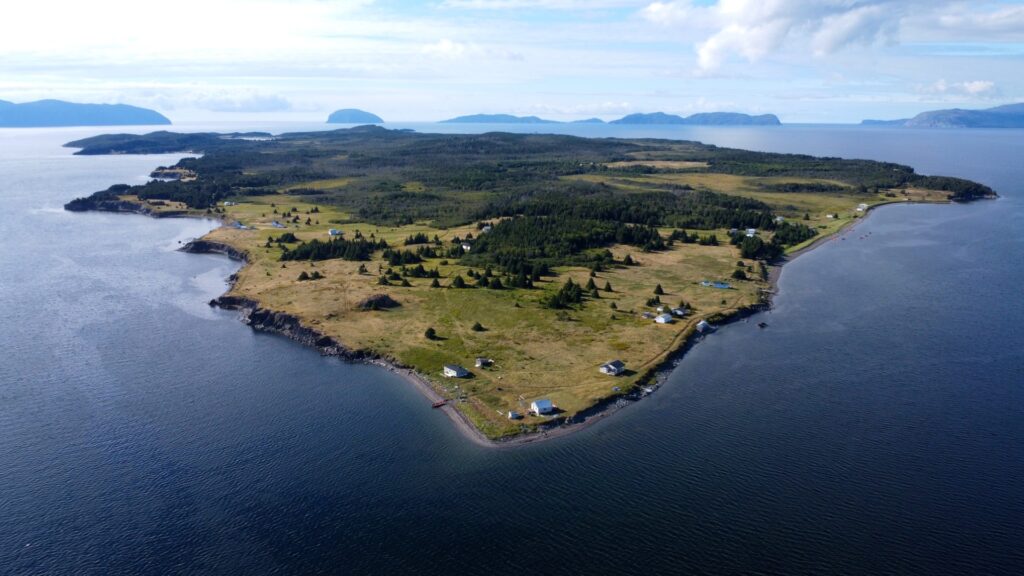
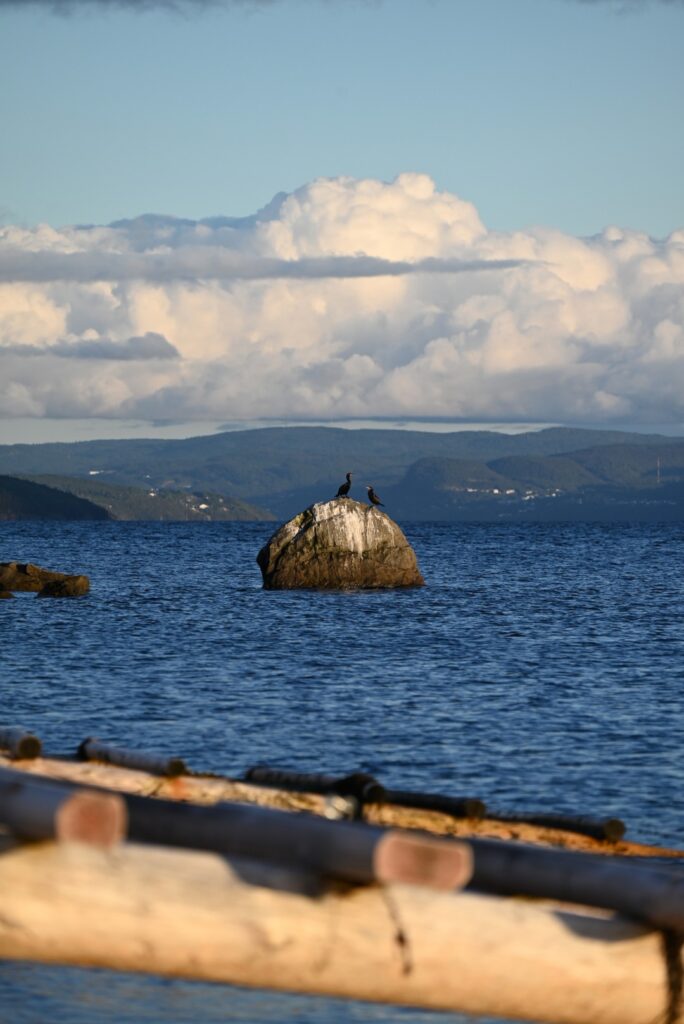
Woods Island is the largest island in Newfoundland’s Bay of Islands. Once, the island hosted a population of more than 500 people, making it a hub for fishers and seafarers in the region. Today, there are few, if any, permanent residents; however, the island remains a distinctive location among the many islands found in the bay. The island offers stunning views of the surrounding Blow Me Down Mountains and other islands in the bay, including Guernsey Island, known by locals as Wee-Ball.
The island would have been almost completely submerged during the last ice age, when sea levels were approximately 100 metres higher than they are today. Glaciers once covered the entire bay, gouging the mountains and depositing huge amounts of glacial debris known as till. During this time, the island’s shape slowly formed before the ice melted and sea levels receded, leaving behind the profile we see today.
While there has long been a Mi’kmaq presence in the bay, the west coast of Newfoundland was uniquely isolated from mass European settlement until the signing of the Entente Cordiale in 1904, when Britain and France agreed to end the exclusive French rights to the so-called “French Shore.”
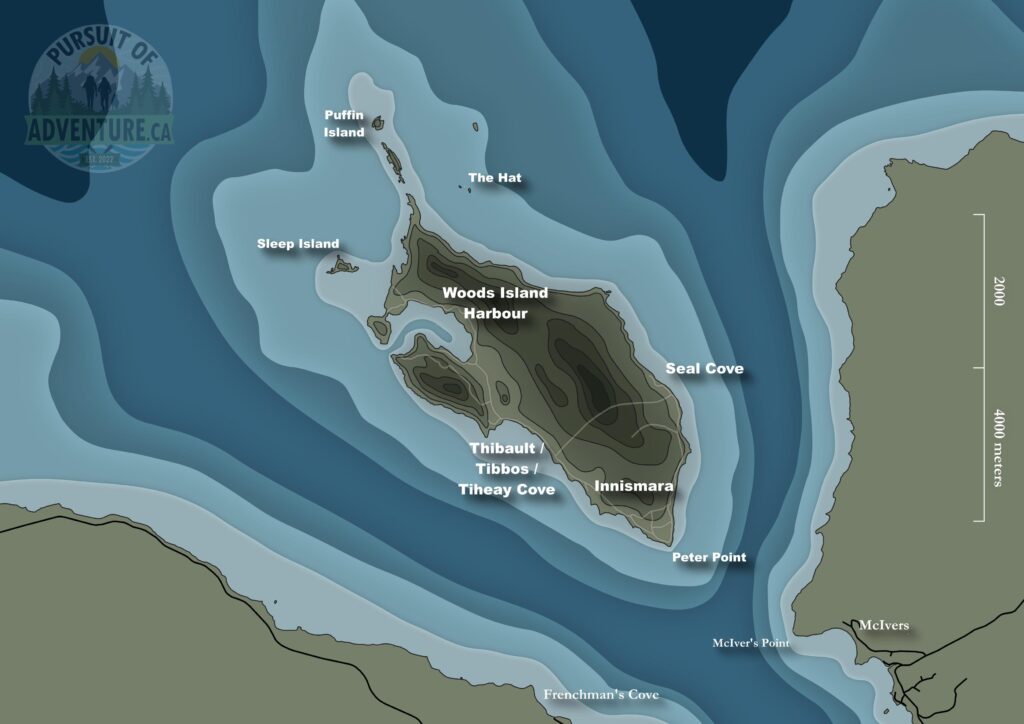
Despite the official signing in 1904, people from St. George’s Bay, Nova Scotia, and later settlers from Fortune Bay had slowly begun to immigrate to the island beginning in the 1850s. The first families to arrive were believed to be the O’Connells and the Perrys, who made a living using the island as a base from which to sail to the Labrador fishery. In 1857, there were just 143 people in the Bay of Islands, but soon that number would rise to 1,316 by 1874. With this influx of people came the families of Bennett (Benoit), Bernard, Bourgeois, Doucette, Jesso, Madore, Gallant, and MacLean, who settled on the island, establishing farms, fishing outposts, and a lobster cannery. By the late 1880s, the island had become a hub in the harbour with its own post office, hotels, churches, and various industries.
In 1911, the island’s activity and population reached its peak with more than 500 people living on the forested island. While the herring fishery helped keep many employed, the island’s inhabitants were beginning to feel pressure to relocate to areas such as Lark Harbour or Curling, the latter of which had become connected to the rest of Newfoundland by the construction of the Newfoundland Railway several years earlier. In 1923, work on the Corner Brook Pulp and Paper Mill began, attracting many to the rapidly growing city. While a small population boom occurred again between 1930 and 1950, the island’s population gradually declined.
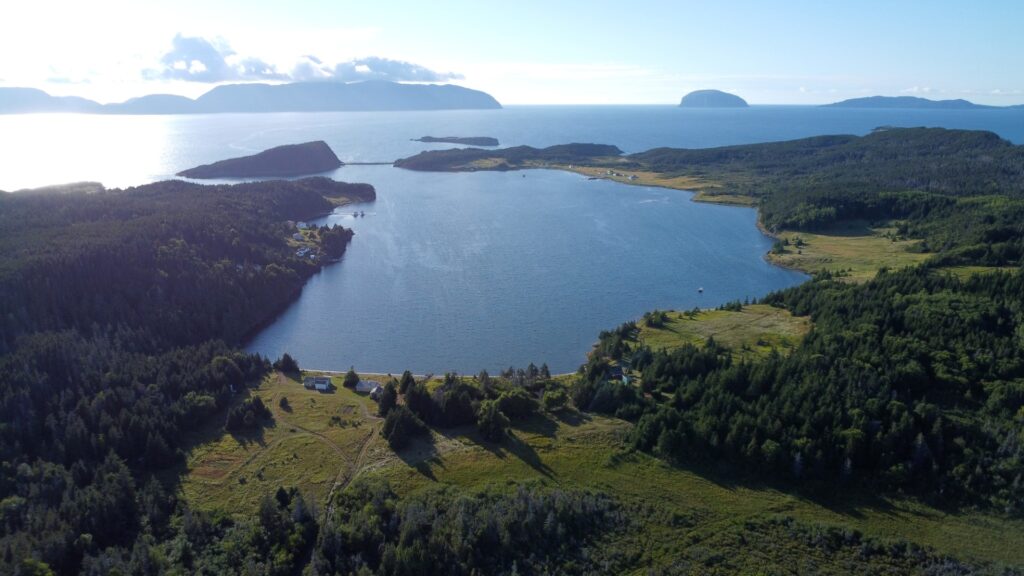
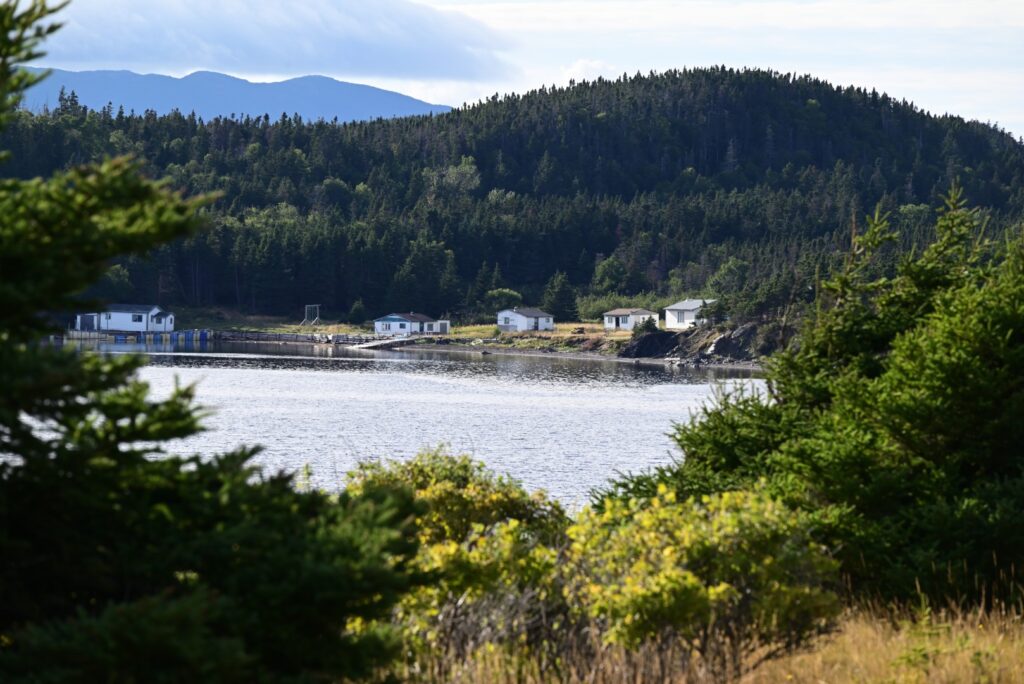
In 1953, Woods Island was formally incorporated as a community with its primary industry being the herring fishery. Soon, however, the final blow came when the herring fishery collapsed, and the residents, led by parish priest Luke Woodrow, advocated for the island to be included in the Smallwood government’s resettlement program. In the fall of 1962, most of the island’s residents were resettled, finding new homes in the nearby communities of Benoit’s Cove and Lark Harbour.
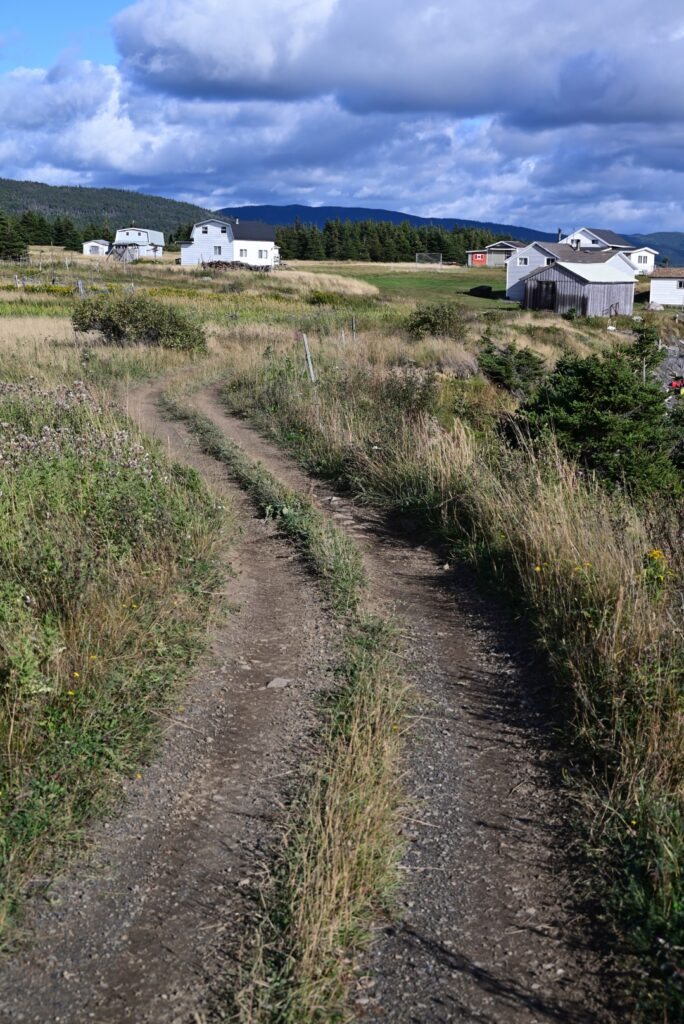
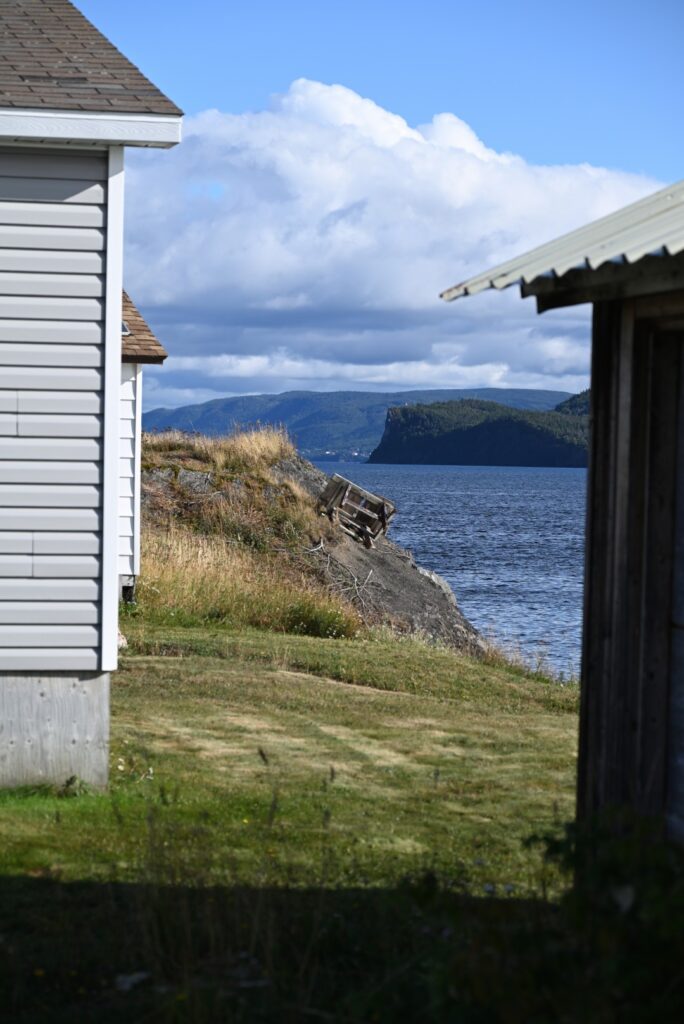
A handful of people continued living on the island after this, but the island would never return to its glory days as the centre of the bay. Nowadays, the island and its communities of Woods Island Harbour, East End, Seal Cove, and Tibbo’s Cove welcome visitors each summer, as many of the former houses and coves have been transformed into vibrant cabin communities.
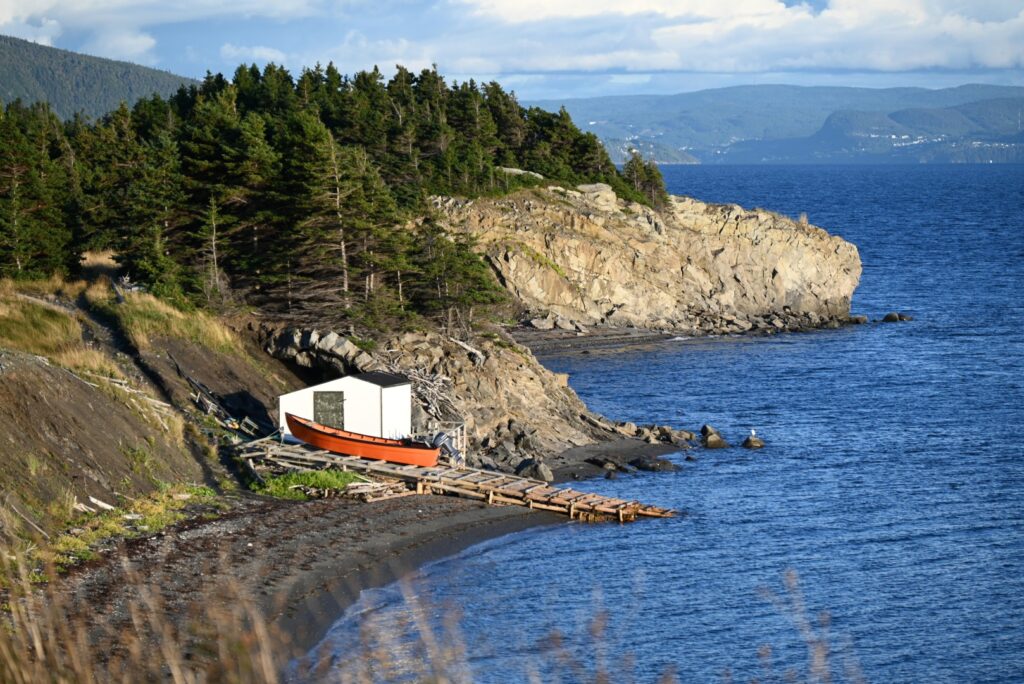
No ferry services operate to the island, and while several boat tours and chartered boats have existed over the years, the only consistent means of reaching the island today is by personal watercraft.
Sources
Parsons, W., & Memorial University of Newfoundland. Maritime History Group. (1973). History of Woods Island in Bay of Islands.
Poole, C. F., & Cuff, R. (Eds.). (1994). Encyclopedia of Newfoundland and Labrador (Vol. 5, pp. 493–640). Harry Cuff Publications Ltd. https://dai.mun.ca/PDFs/cns_enl/ENLV5W.pdf