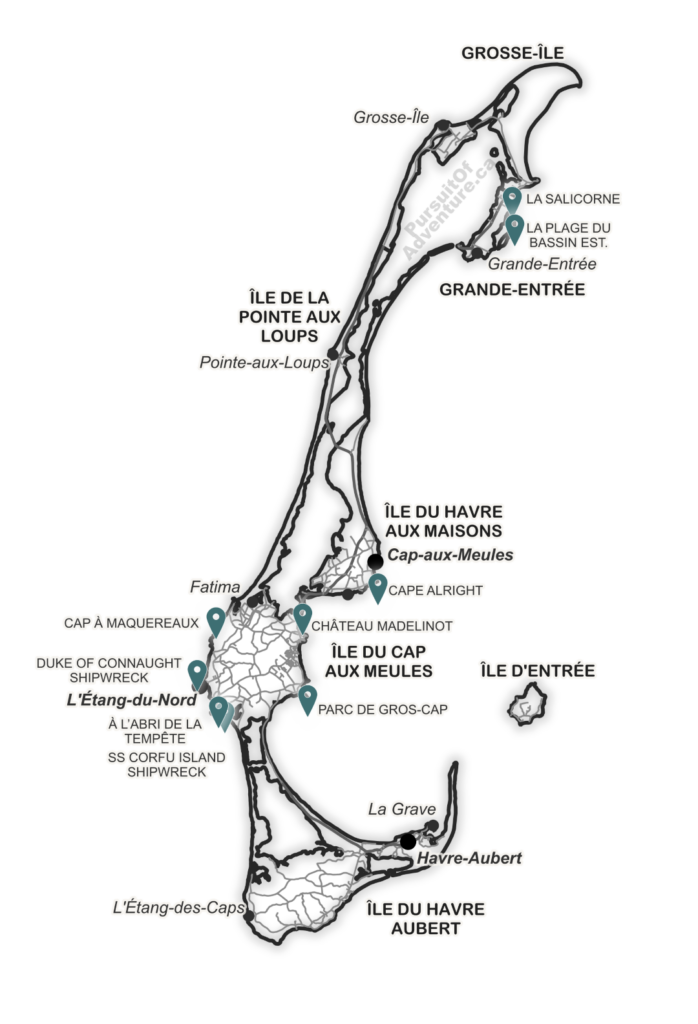
Îles-de-la-Madeleine
Perfectly situated in the centre of the Gulf of St. Lawrence, Les Îles-de-la-Madeleine comonly referred to as the Magdalen Islands, is renowned for its beautiful sandy beaches, dramatic seascapes, maritime history, and abundant wildlife.
Exploring Quebec's Îles-de-la-Madeleine
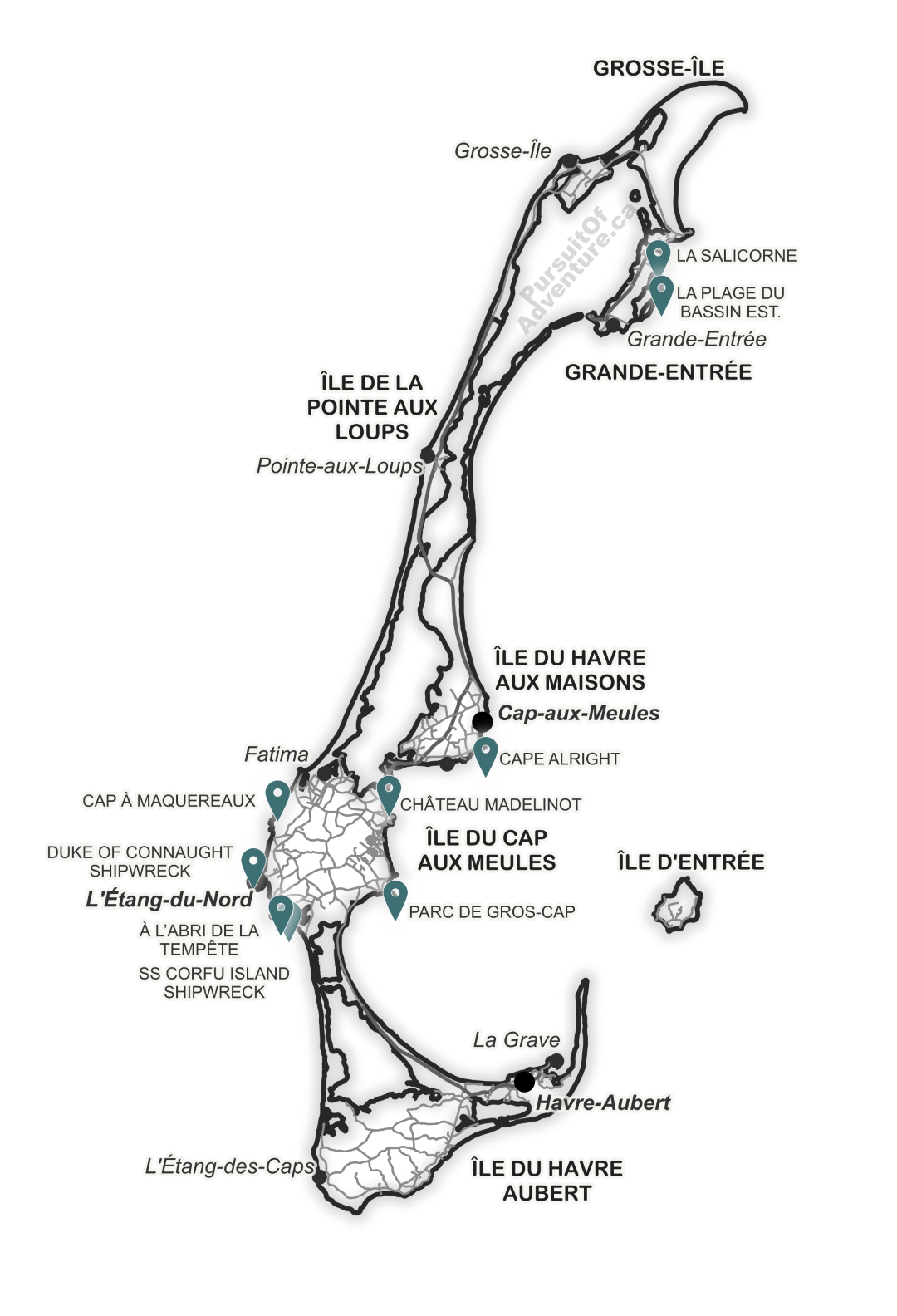
Each of the fifteen islands that make up Îles-de-la-Madeleine share a similar appearance. At their core, hard volcanic rocks remain largely impervious to weathering from the Gulf of St. Lawrence’s harsh climate and turbulent seas. Due to their abrupt elevation and relatively small size, the islands appear almost mountainous when viewed from the water, especially Cap aux Meules, Havre aux Maisons, and Grande-Entrée.
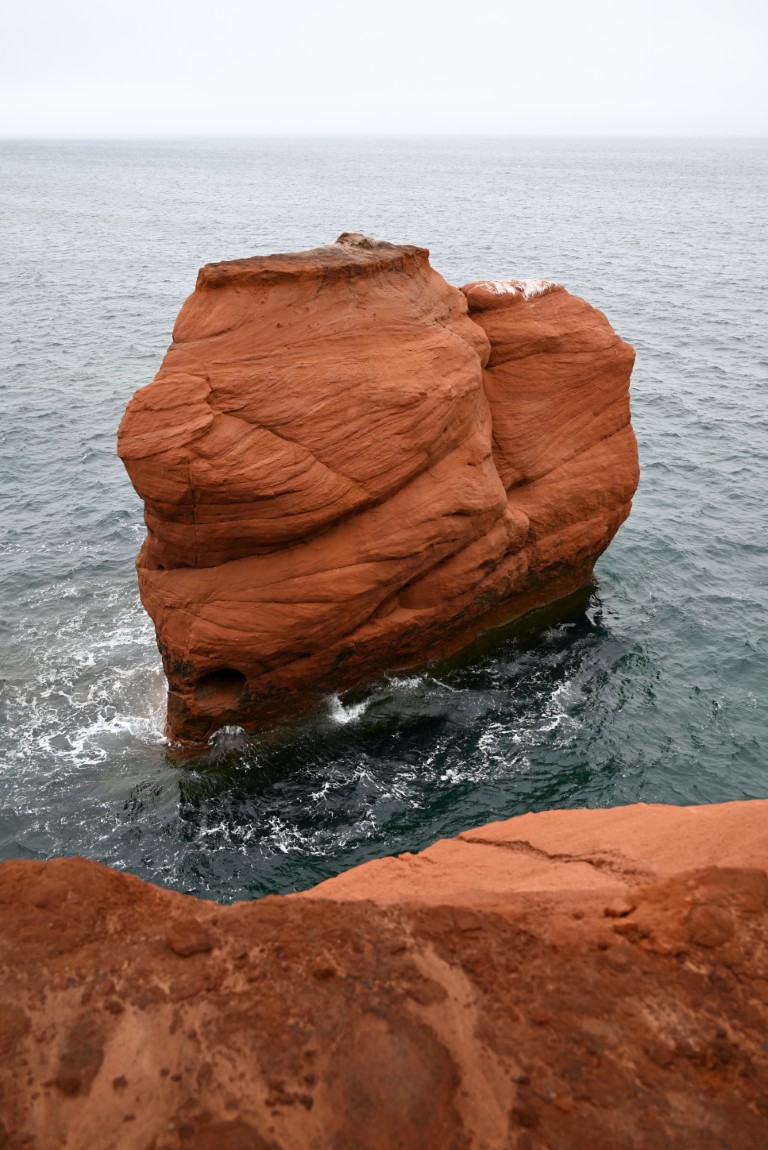
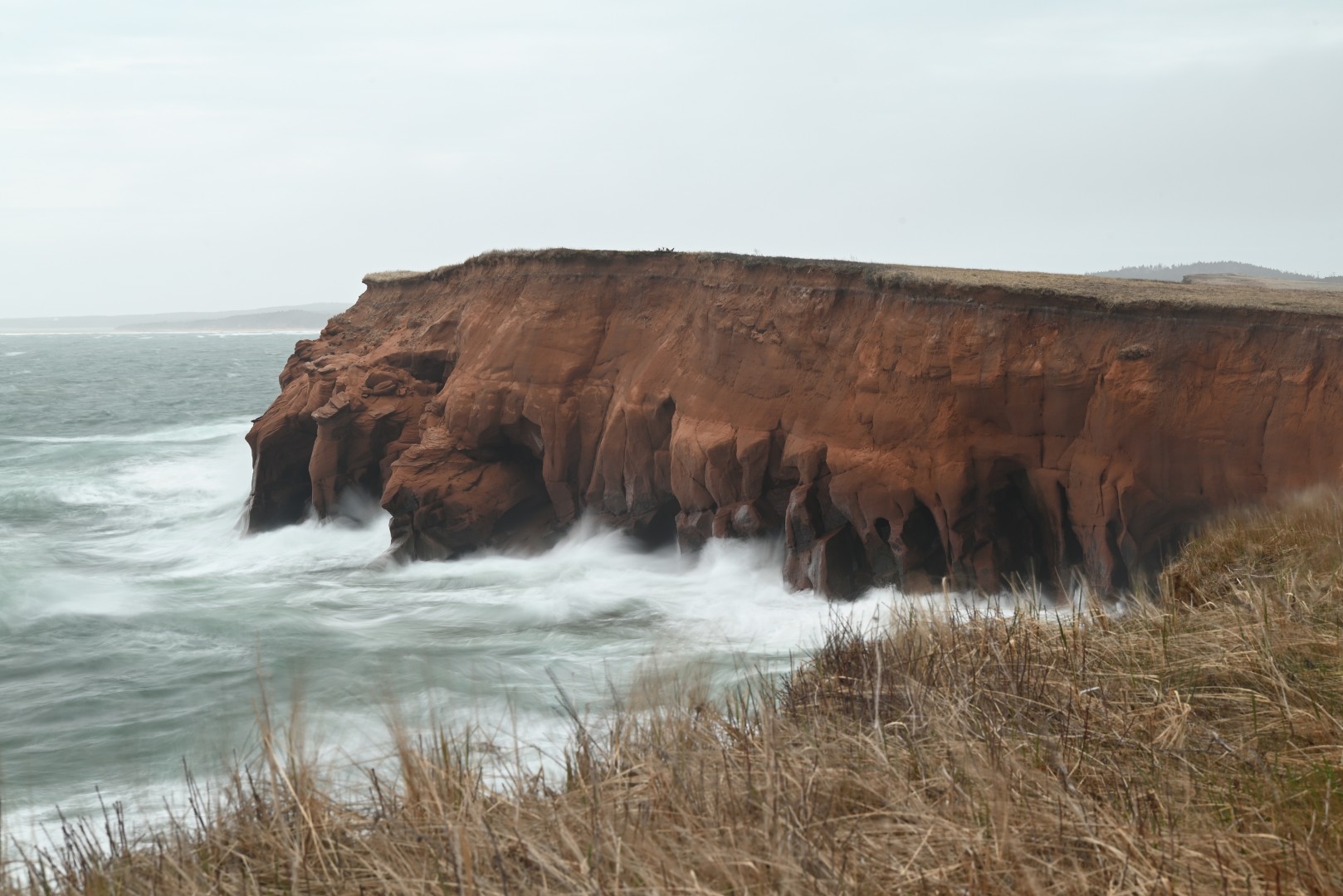
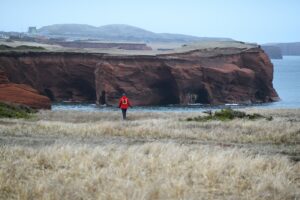
Along the coasts, however, the volcanic rock gives way to vivid red layers of sedimentary rock, which are far more susceptible to erosion. As a result, the ocean has sculpted this landscape into a fascinating array of caves, arches, and sea stacks—some of the most intriguing natural features to explore on the islands.
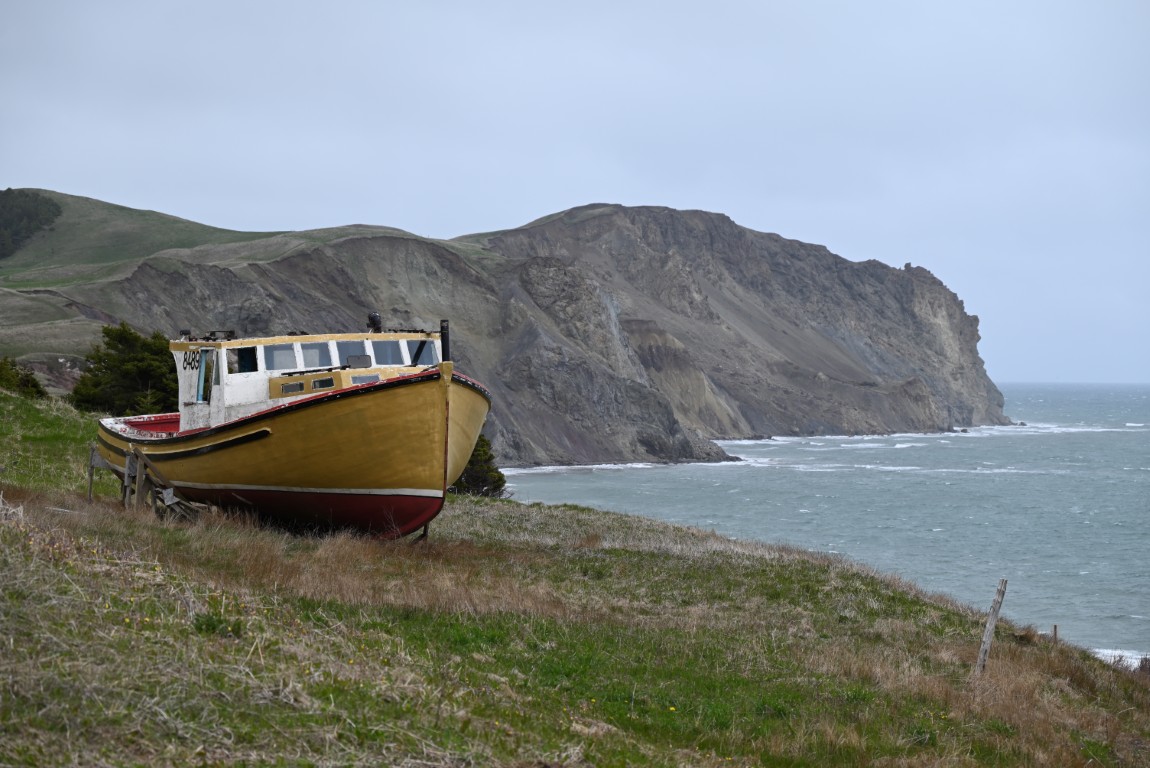
The red sandstone, which forms the bulk of the islands’ bedrock, has led to poor soil conditions for agriculture. Consequently, Madelinots have traditionally relied almost entirely on fishing to sustain their livelihoods. Although the shallow waters surrounding the islands have historically posed significant dangers to seafarers, they have also fostered thriving marine ecosystems and rich fishing grounds.
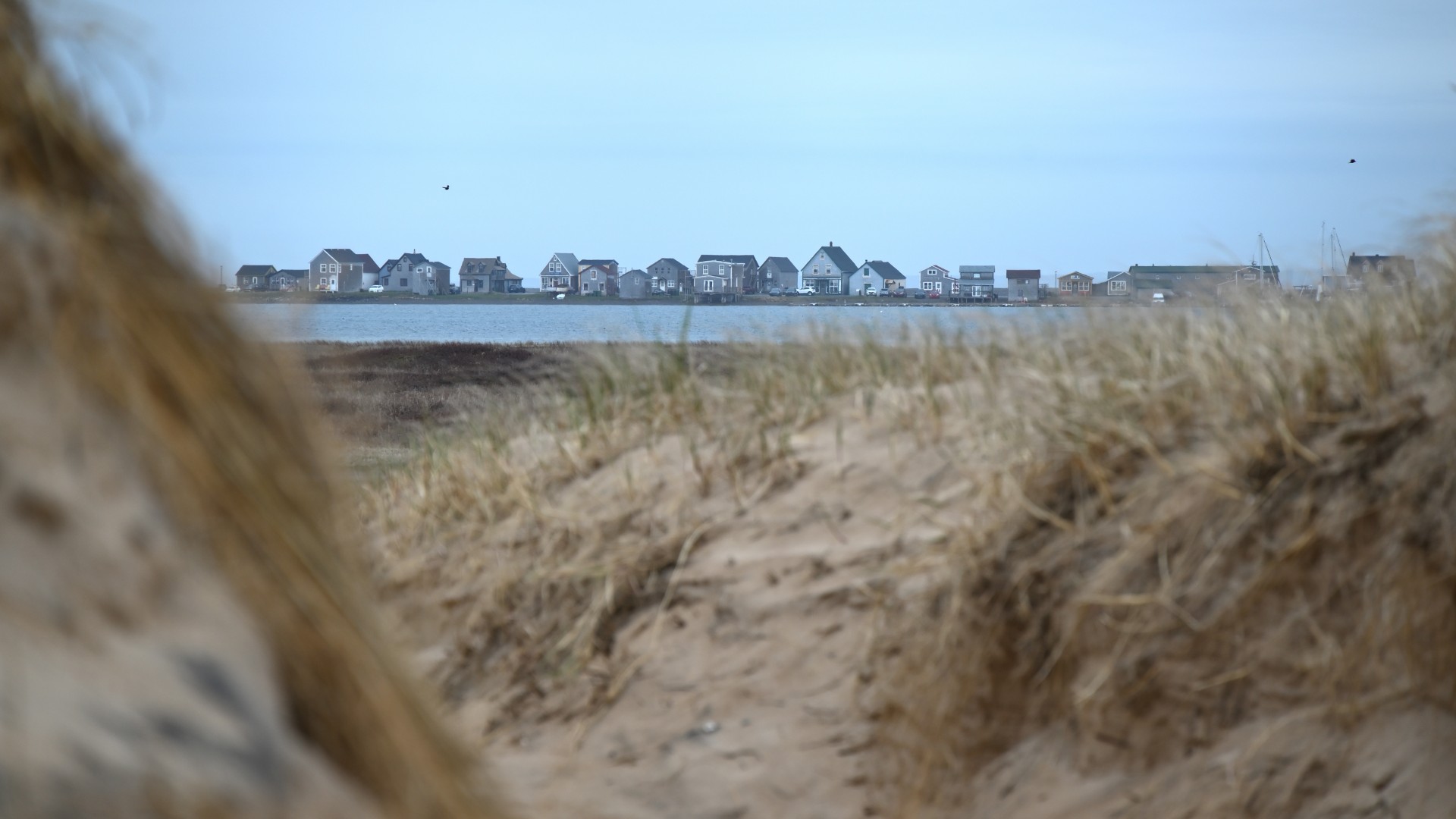
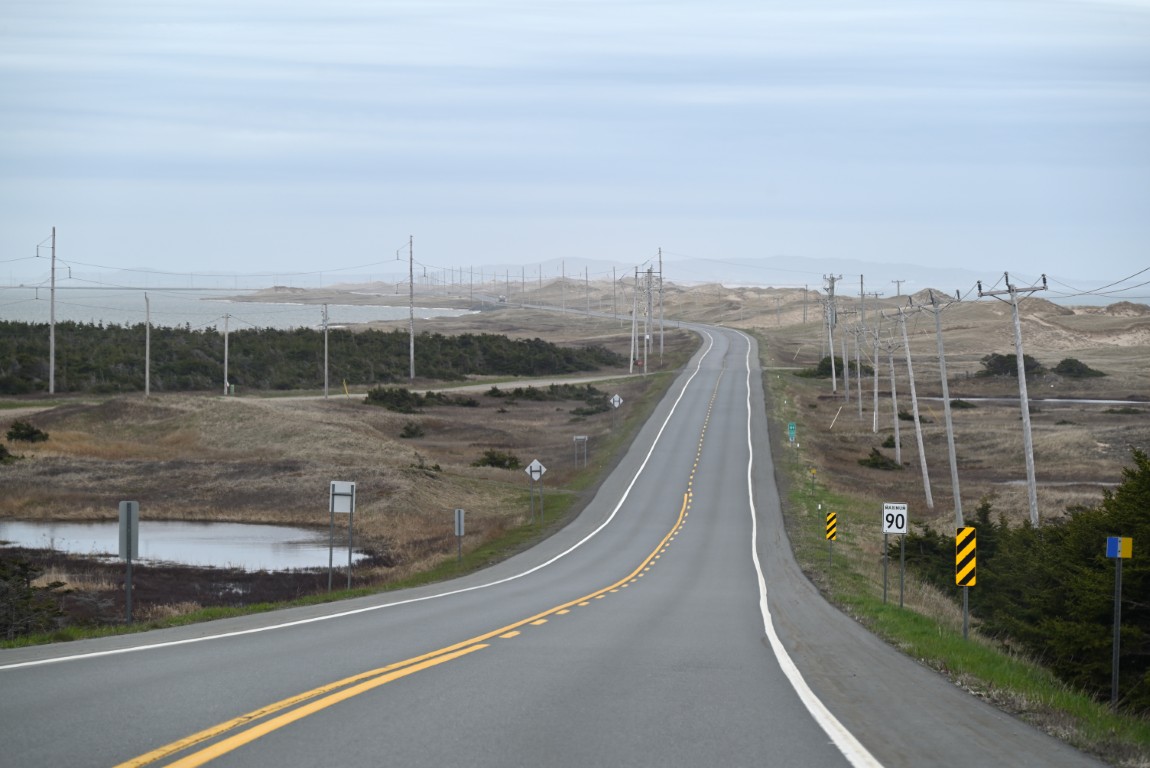
The islands’ beaches and sand dunes are their primary attractions. The ongoing erosion of sandstone cliffs has created seemingly endless stretches of beach, some extending over twenty kilometres in length. National Geographic has recognized several of these as among the world’s finest. Behind each beach lie expansive sand dunes that continually migrate under the influence of wind and wave action. Ocean currents have shaped these coastal features in such a way that many of the archipelago’s major islands are now connected by narrow sandy ridges known as tombolos, and in some cases, double tombolos.
In the case of double tombolos, where a beach connects two islands, an inland body of water known as a lagoon is formed. Many of these lagoons have since been designated as wildlife reserves, attracting thousands of migratory birds each year. This seasonal migration has also made the islands a popular destination for birdwatchers.
Exploring the Wonders of Îles-de-la-Madeleine

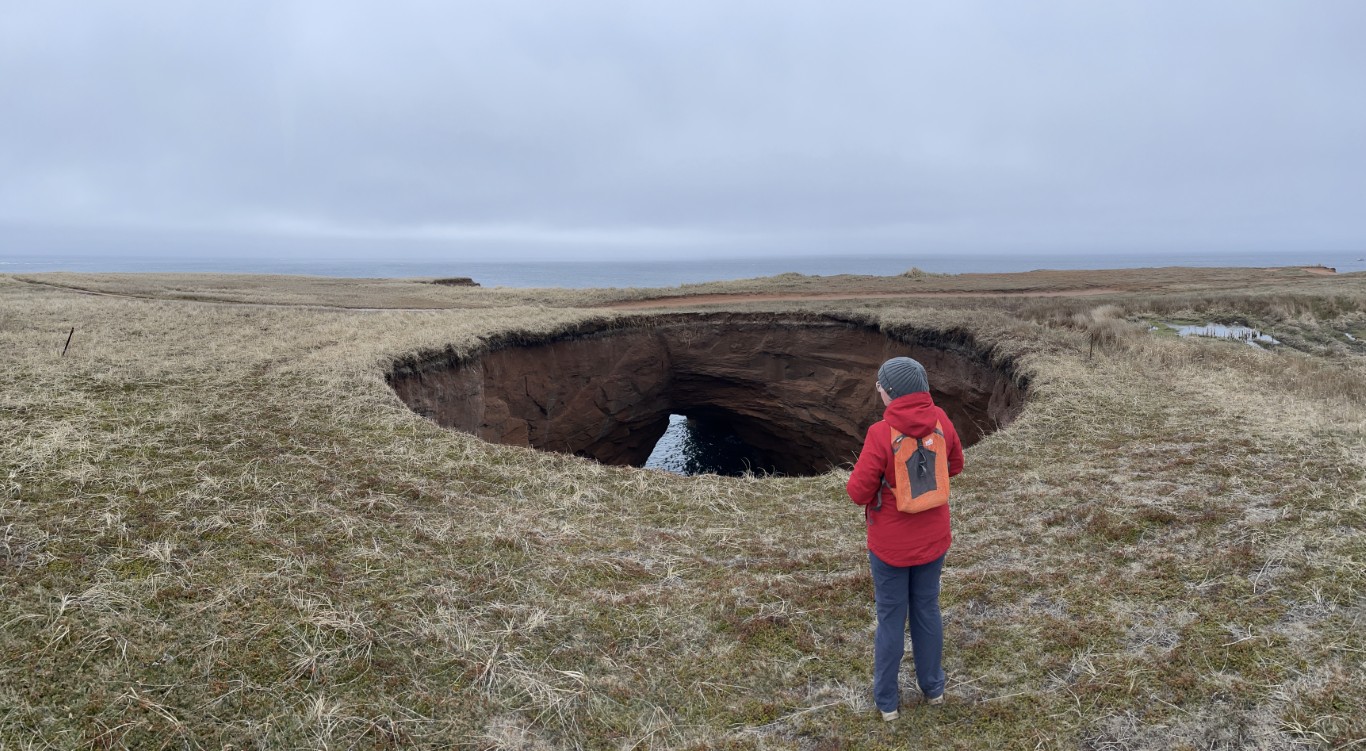
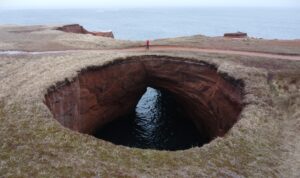
Coastal Landforms of Fatima, QC
Exploring the Belle Anse Coastal Trail on Île du Cap aux Meules, where eroding red sandstone cliffs, sea arches, and dramatic sinkholes reveal some of the most striking coastal landforms in the Îles-de-la-Madeleine.

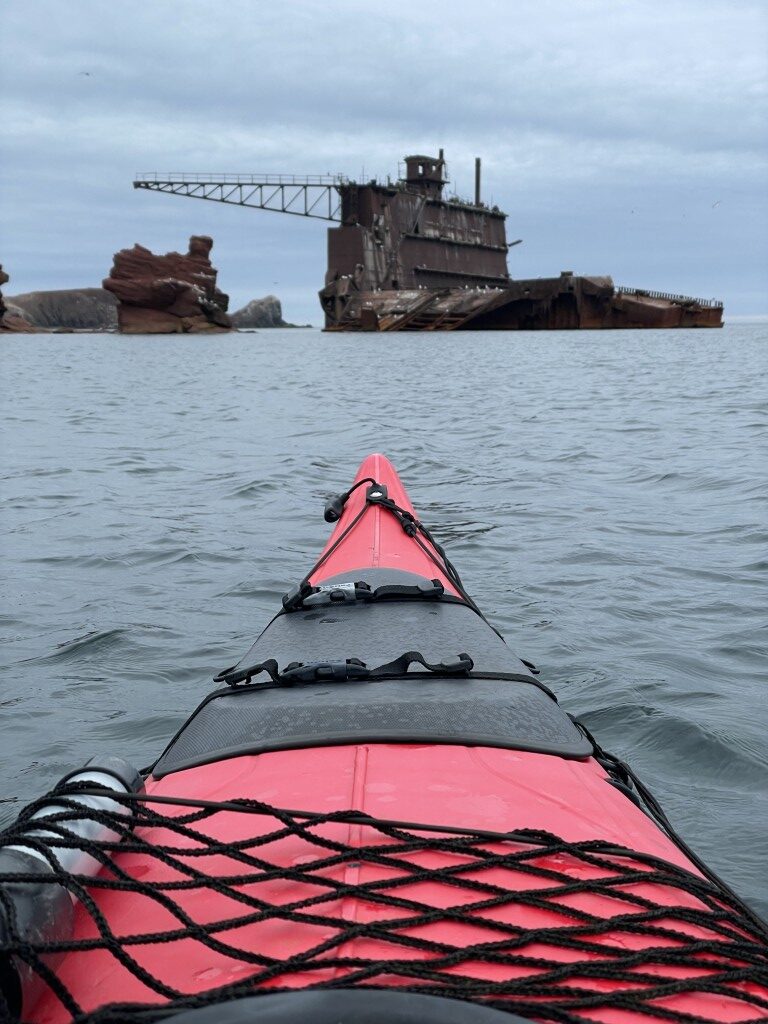
Wreck of the Duke of Connaught
The Duke of Connaught, a colossal floating dry dock wrecked off L’Étang-du-Nord in 1988, remains one of the largest shipwrecks in Atlantic Canada.
Îles-de-la-Madeleine in May
Exploring Îles-de-la-Madeleine (Magdalen Islands), an off-the-beaten-path archipelago in the Gulf of St. Lawrence where sweeping sandy beaches, dramatic coastlines, and the unique culture of the Madelinots come together to create one of the region’s most interesting landscapes.
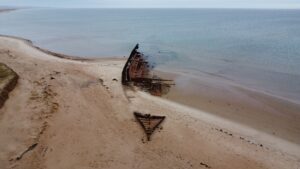
SS Corfu Island Shipwreck
The wreck of the SS Corfu Island stands as a powerful symbol of human resilience and the unyielding solidarity of a remote island community in the face of nature’s fury.
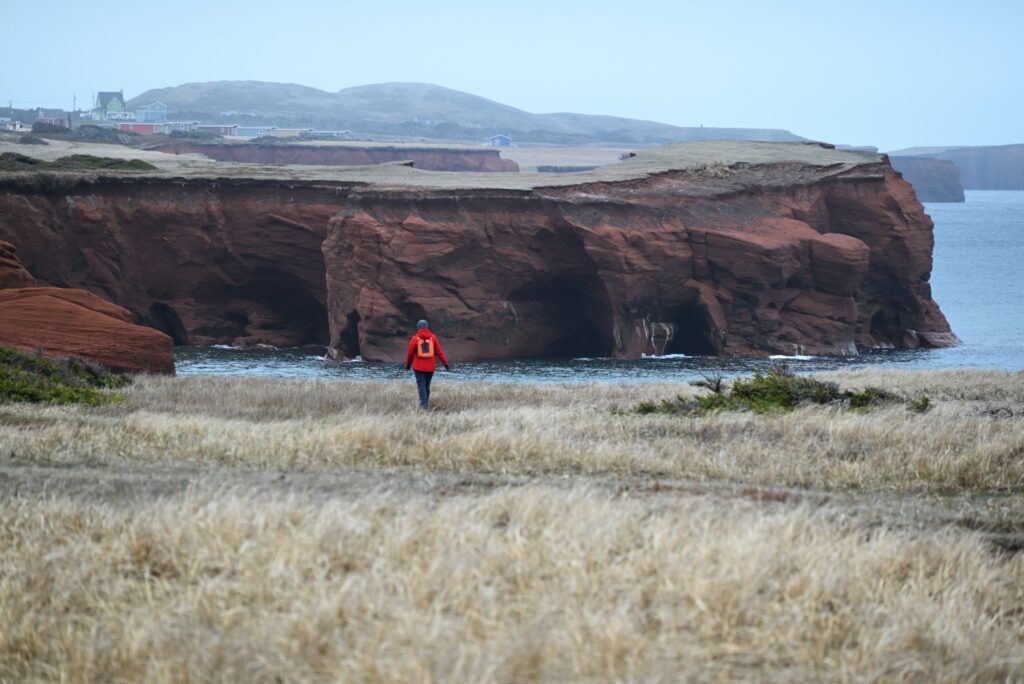
Over the May long weekend, we made a trip to the Îles-de-la-Madeleine or the Magdalen Islands. Planted perfectly in the center of the Gulf of St. Lawrence, the archipelago consists of around 15 islands, seven of which are easily accessible and connected via long, sandy beaches. This makes it a popular tourism spot, but its beaches are just the beginning of what can be explored along the islands. The Madelinots have a unique culture and traditions that separate them from the rest of Quebec and Canada. These characteristics are combined this with the island’s beautiful landscapes, shipwrecks, and dramatic coastlines, making it one of the most beautiful places we have visited in Atlantic Canada.
History of the Island's
The Mi’kmaq were the first known users of the islands, likely travelling there regularly by canoe for fishing and hunting. On June 25, 1534, the islands first came to the attention of Europeans when Jacques Cartier encountered them while sailing south from the Strait of Belle Isle. He returned the following year on his second voyage, but aside from a small population of Basque, Breton, and Norman fishermen, colonization was slow.
Settlement began in earnest following the fall of Louisbourg and the Expulsion of the Acadians, when most of the Atlantic coast came under British control. The Quebec Act of 1774 brought the islands under Quebec’s jurisdiction; however, administration was assigned to Gaspé County, causing tension among the few Acadian settlers who had made the islands their home. Compounding the issue, these Acadian settlers were not permitted to own the land they lived on, as it had been granted to American Loyalist Admiral Isaac Coffin in recognition of his service during the Revolutionary War.
In 1895, a new law passed by the Quebec Parliament reversed this restriction, and by the early 20th century, the first notable settlements were established as inhabitants slowly built lives centred on the fishing industry. Although the islands remain part of Quebec, they have gradually developed their own distinct culture, traditions, and dialect. Despite years of harsh weather and the many challenges inherent to island life, the resilience and warmth of the Madelinots has endured and they remain among the most welcoming people one could meet.