Newfoundland

A hidden oasis of adventure, history and cultures located at the eastern edge of Canada. 

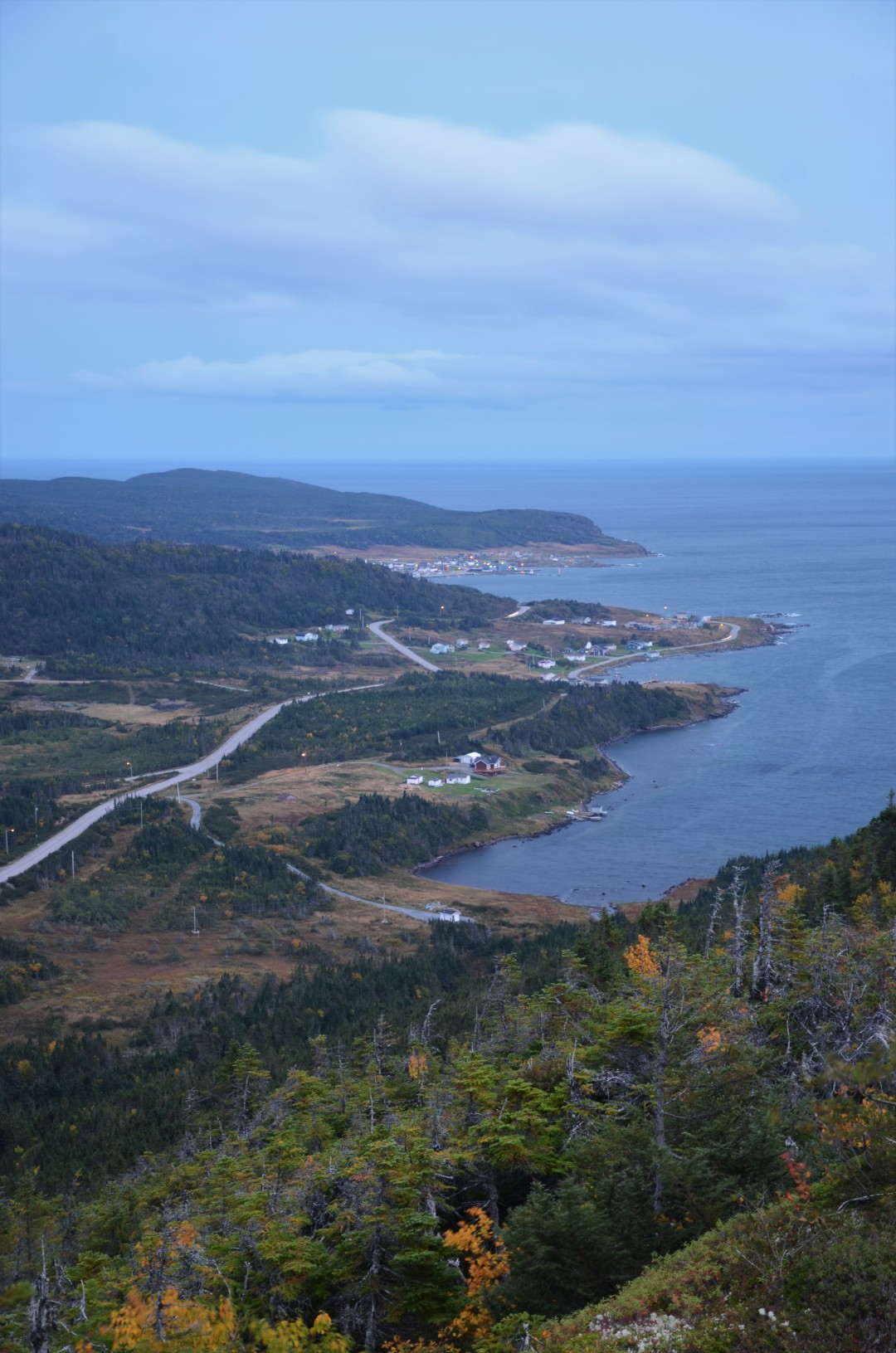
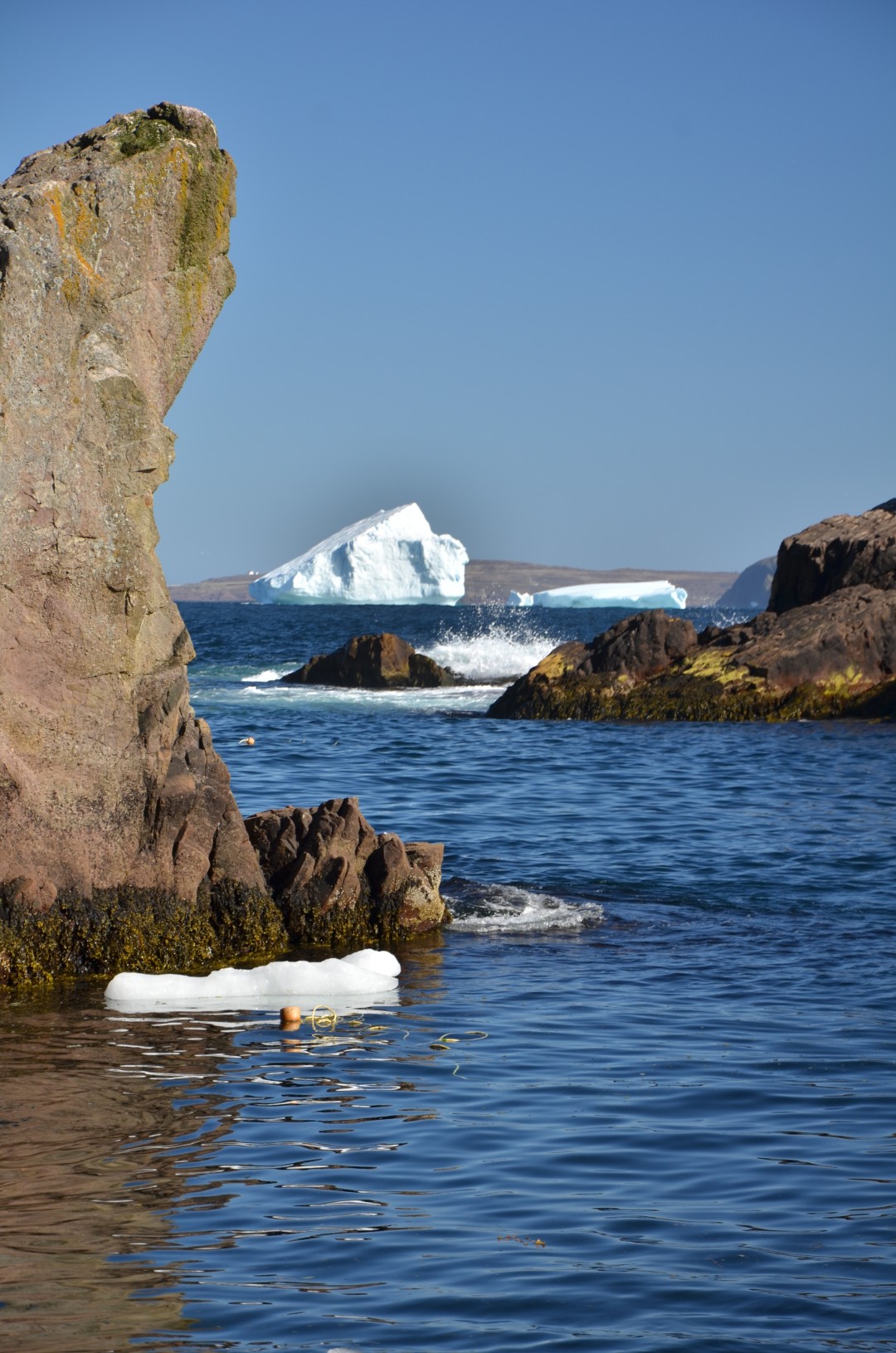
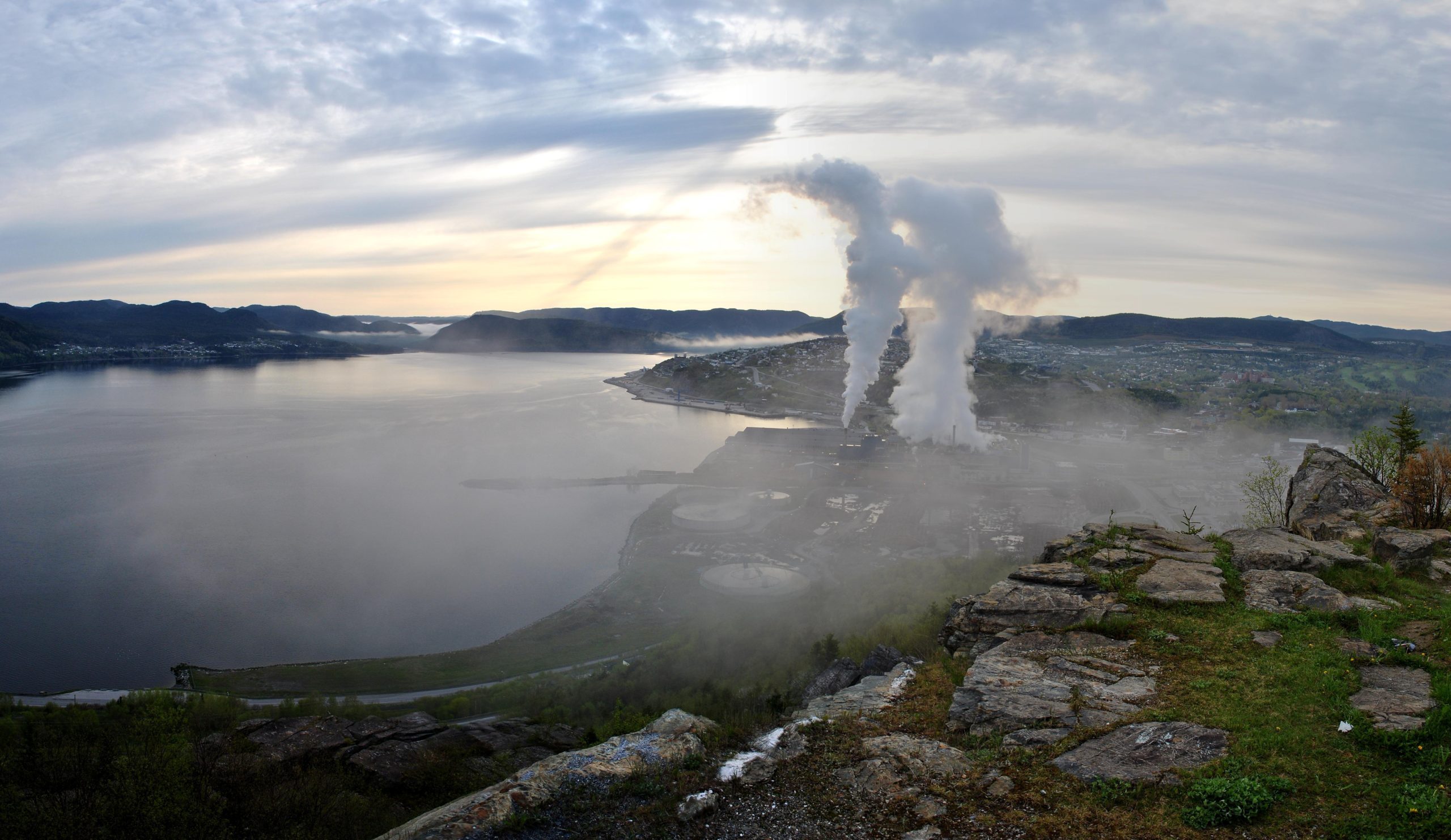
The island of Newfoundland is a hidden oasis of adventure, history, and culture that has produced some of the most kind-hearted, resilient people you will ever meet. When many think of Newfoundland, thoughts of puffins and whales, icebergs and rocky coastlines come to mind, but the island has so much more to offer than this and is far too often dismissed as being too far away and wrongfully compared to the Maritime Provinces of Nova Scotia or New Brunswick. This diverse landscape, at the true edge of North America, is much more than this, containing a vastly varied environment and a colonial history unlike any other, thanks to its long-standing independence as a sovereign nation.
 

Newfoundland, for centuries, was a proud nation that resisted the urge to join the rest of British North America in forming a country in the nineteenth century, largely because of its cultural and physical proximity to the United Kingdom. Even today, the strong will and traditions of the people here reflect a land more similar to Ireland or Britain than to Canada. The most obvious way to witness this is to simply speak to its friendly residents and observe the colloquialisms and diversity of accents that are spread across the island and its many coastal communities.

Our Stories & Adventures

Our stories, adventures, & favorite destinations in Newfoundland

The Trinity Train Loop

A relic of the Newfoundland Railway and an engineering marvel, the Trinity Loop was built to allow trains access to the Bonavista Peninsula. After its closure, the loop was transformed into an amusement park, which has since become one of Newfoundland’s most intriguing abandoned places.
Read More Here ...

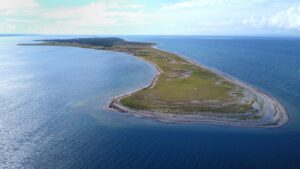
Sandy Point

Amid sand dunes and wind-shaped trees on a narrow sand spit along Newfoundland’s west coast lies Sandy Point; an abandoned community that was once the centre of activity in St. George’s Bay, Newfoundland.
Read More Here ...

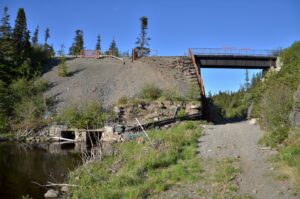
Horwood Lumber Company Mill

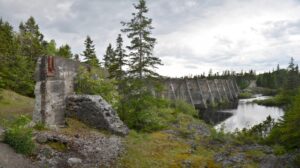
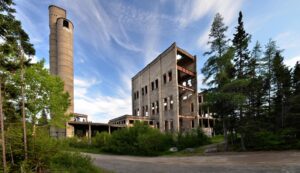
Overlooking Indian Arm in Central Newfoundland, the dramatic ruins of the Horwood Lumber Company pulp mill and hydropower station stand as a striking reminder of an ambitious early-twentieth-century industrial venture that briefly sought to rival the success of Grand Falls before being undone by the catastrophic failure of its dam.
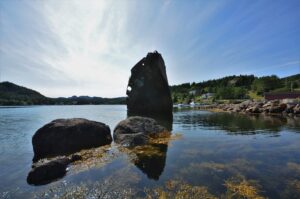
Read More Here ...

Landscapes of Newfoundland

Newfoundland’s landscape is as diverse and beautiful as its people. On the west coast, the region, long forbidden for settlement because of English–French treaties, is one of the newer colonial settlement areas in the country. As a result, the colonial history of the island’s west coast is relatively young compared to other regions. This complex Anglo–French relationship, which extends beyond the colonialism of Canada itself, is exemplified in its Indigenous people as the Qalipu First Nation struggles today to re-establish itself in an era of identity scrutiny and questioning, often rightfully so. But the turbulent history that includes the extinction of the Beothuk people and the long-unrecognized and unforgiven atrocities committed against the Inuit, Innu, and the Mi’kmaq communities of Conne River and Flat Bay is not to be dismissed. These First Peoples often clustered in the central areas of the province and the west coast, perhaps because the same colonial treaties that forbade settlement on the French Shore were also those that sought to displace the land’s true stewards.

From the fertile lands and low-lying river valleys of the Codroy Valley to the barren plains and rocky coast stretching north to the Great Northern Peninsula, the land here is constantly backdropped by the steep and rugged mountains of the Appalachians. Much of the land remains untouched and unexplored, but human settlement, particularly throughout the early to mid-1900s is evident. Most obvious is the vast stretch of clearcutting carried out to exploit the area’s logging potential. While this gave birth to the home where we are both from, it came at the cost of environmental destruction. In the same ironic fashion that both protected and harmed the Indigenous peoples that came before us, the logging and exploitation of forest resources have also made the region more accessible, as thousands of kilometres of logging roads now provide pathways to some of the island’s, and perhaps the country’s, best hidden gems.

Moving out of the Appalachian mountain range, referred to locally as the Long Range Mountains, you enter the glacially moulded bogs, barrens, and bluffs that form central Newfoundland. Here the island’s largest rivers carve their way through relatively flat stretches of spruce and birch forest. Here the Beothuk people made their home, utilizing the spectacular rivers and lakes as a means for transportation, fishing, and hunting. Although eventually exploited for its forestry resources, interior central Newfoundland is sandwiched between the remarkable off-the-beaten-path fjords of the south coast and, to the north, a region that later hosted a thriving fishing and logging industry. Twillingate, Fogo Island, and Musgrave Harbour are now popular destinations for visitors and locals alike.

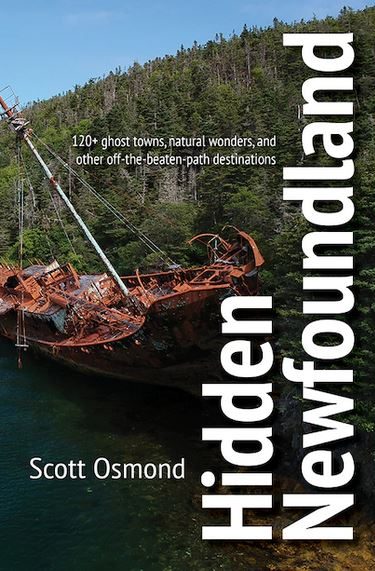
Hidden Newfoundland

120+ ghost towns, natural wonders, and other off-the-beaten-path destinations

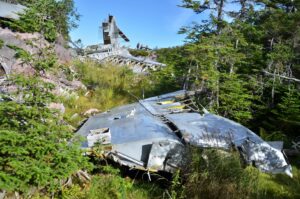
Hidden Newfoundland is a collection of Newfoundland’s most incredible places, how to find them, and how they came to be hidden or forgotten. If you are interested in resettled communities, abandoned buildings, lost ruins, aircraft crash sites, natural wonders, or just simply wishing to explore a new side of Newfoundland, then make sure you check out Hidden Newfoundland: 120+ ghost towns, natural wonders, and other off-the-beaten-path destinations.

Before reaching the Avalon Peninsula you first encounter the two significant peninsulas of Burin and Bonavista. Located south and north of the hub town of Clarenville, these off-the-beaten-path regions are often overlooked by visitors, when in fact they each possess cultural, historical, and geological significance to the foundations of the province. Hidden beaches, coves, and unforgettable scenery greet those who visit, with the waters each year filled with puffins and whales and, in the north, offering some of the best locations for witnessing the massive icebergs that pass through Iceberg Alley each spring.

Lastly is the Avalon Peninsula: a rocky, rugged, and relentlessly poor-weather protrusion that reaches out into the North Atlantic as if designed to capture the hurricanes and tropical storms of the south and the powerful nor’easters that sweep down from the Labrador Sea. Yet between the rain, drizzle, and fog lies the closest you will come, both culturally and physically, to Europe in Canada. Home to half the island’s population, the peninsula contains the historic centres of Placentia, Carbonear, and, finally, St. John’s. St. John’s itself is a vibrant and colourful city, even when it is shrouded in a seemingly perpetual cloud of fog. It is not merely a city but a cultural centre of the continent.

Exploring Newfoundland

Destinations

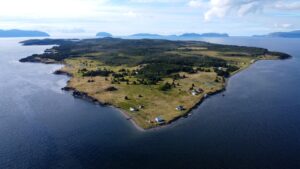
Woods Island

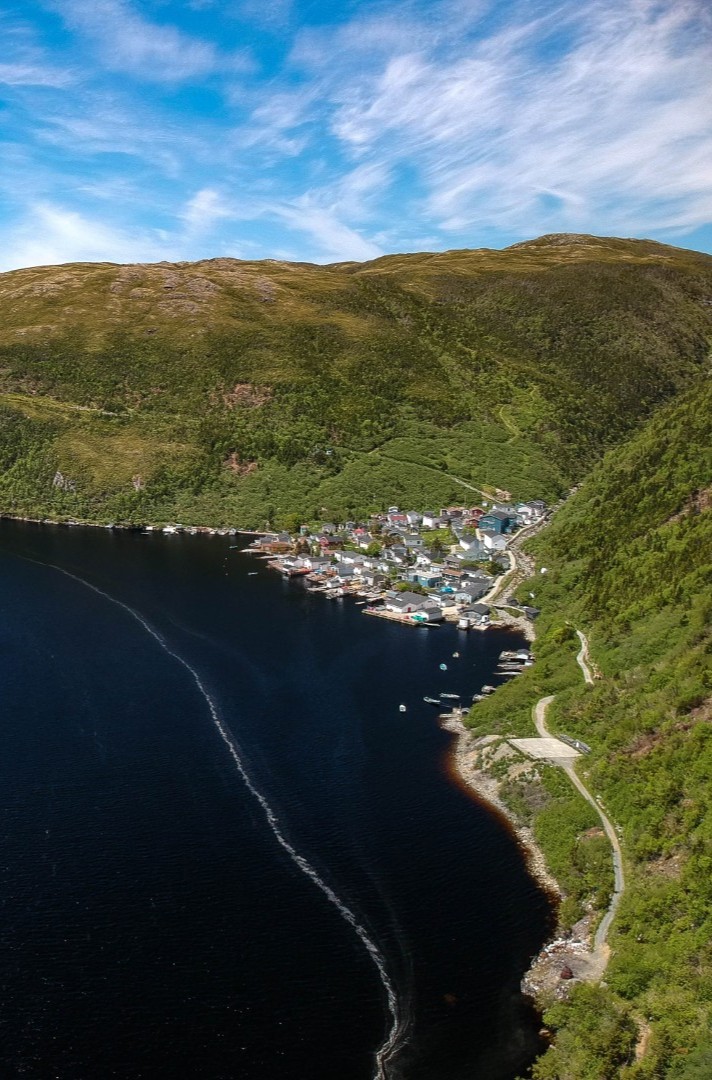
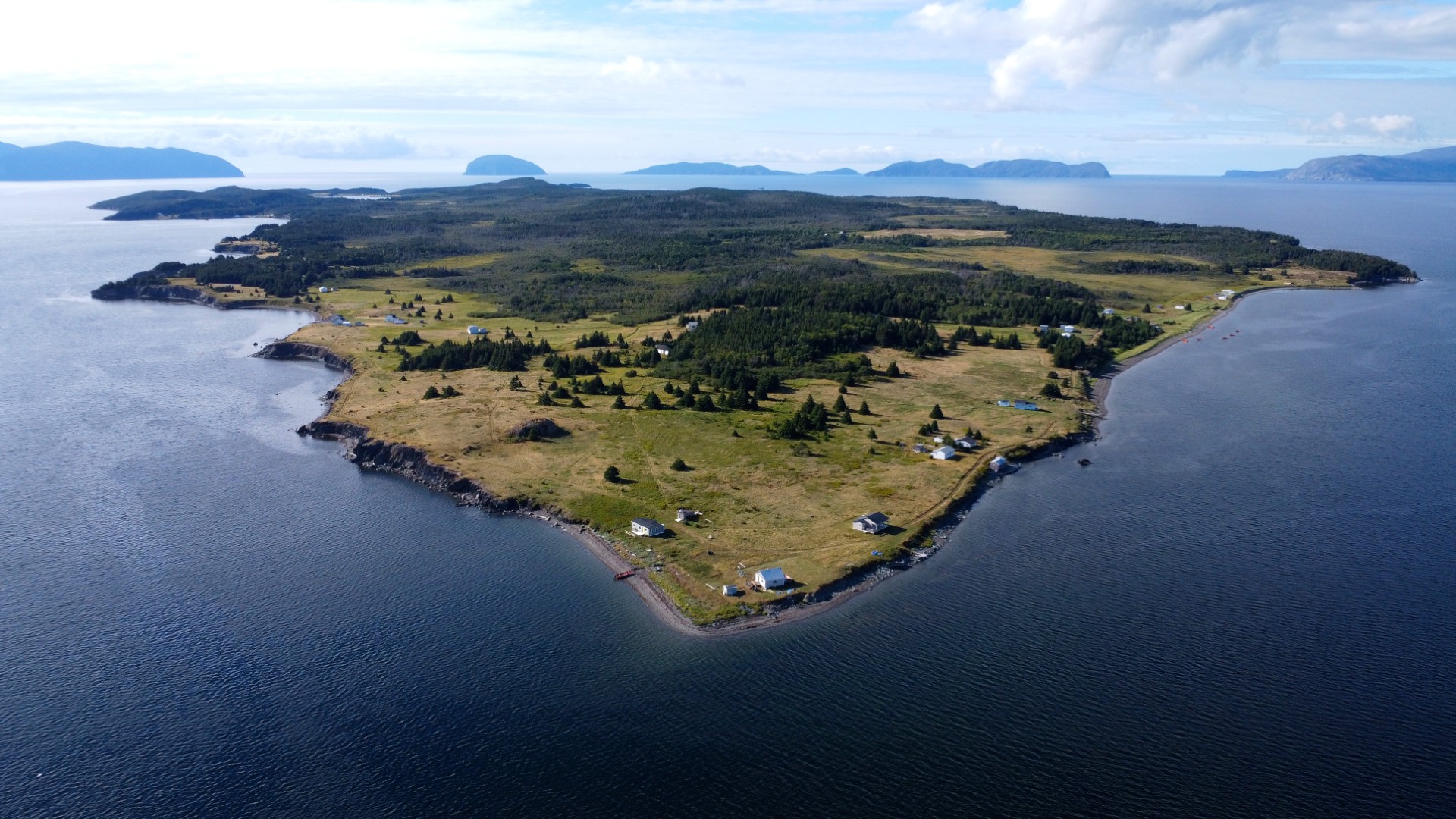
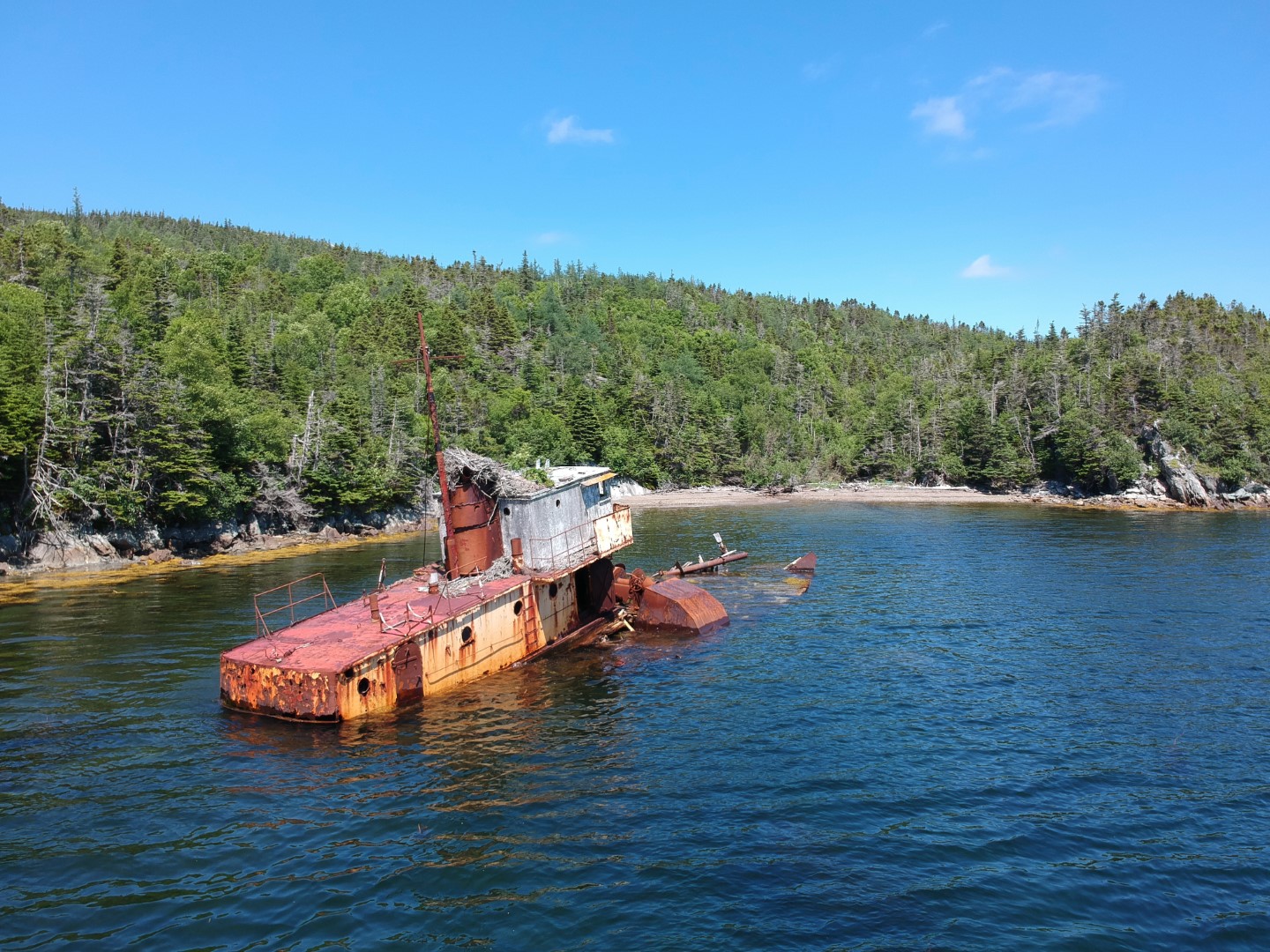
Once the vibrant heart of a 500-person outport community, Woods Island stands in the Bay of Islands as a quiet remnant of Newfoundland’s mid-twentieth-century resettlement era.

Read More Here ...
Destinations

Horwood Lumber Company Mill

Overlooking Indian Arm in Central Newfoundland, the dramatic ruins of the Horwood Lumber Company pulp mill and hydropower station stand as a striking reminder of an ambitious early-twentieth-century industrial venture that briefly sought to rival the success of Grand Falls before being undone by the catastrophic failure of its dam.

Read More Here ...
Destinations

Sandy Point

Amid sand dunes and wind-shaped trees on a narrow sand spit along Newfoundland’s west coast lies Sandy Point; an abandoned community that was once the centre of activity in St. George’s Bay, Newfoundland.

Read More Here ...
Destinations

The Trinity Train Loop

A relic of the Newfoundland Railway and an engineering marvel, the Trinity Loop was built to allow trains access to the Bonavista Peninsula. After its closure, the loop was transformed into an amusement park, which has since become one of Newfoundland’s most intriguing abandoned places.

Read More Here ...