
Whaling has been an important part of Iceland’s maritime history since at least the 12th century. Early whalers would brave the North Atlantic in small, open boats to pursue whales, using spears to strike their quarry. These enormous mammals offered an exceptional bounty in a landscape where resources could be scarce. Their meat and organs provided food, blubber could be rendered into oil for lighting and lubrication, and their bones and baleen were fashioned into tools and other useful materials. Whales were so valuable that even those found dead or washed ashore could provide a substantial resource for nearby communities.
History of Whaling in Iceland
A new era of whaling began in the early 17th century with the arrival of Basque whalers in Icelandic waters. Having established a lucrative industry along the coast of Labrador and around the Strait of Belle Isle during the 16th century, Basque crews brought their experience and commercial ambitions to the North Atlantic. They established shore-based whaling stations in Iceland, where whales could be processed and their valuable products prepared for export. Their presence introduced a more organised, commercial approach to whaling, although the industry remained relatively limited compared with the industrial operations that would emerge centuries later.
By the late 19th century, whaling in Iceland had developed into a much larger enterprise. Norwegian whalers arrived with modern equipment and industrial processing methods, establishing stations around the island. At its height, Norwegian operators maintained fourteen whaling stations in Iceland, harvesting whales primarily for their oil and other commercial products. Demand for whale oil had increased substantially as towns, cities, and industries relied on it for lighting, lubrication, and manufacturing. However, the expansion of foreign-owned whaling operations brought growing tensions with Icelandic fishermen, who were concerned about declining whale populations and the potential effects of industrial whaling on other fisheries.
In 1913, Iceland enacted legislation establishing a ten-year prohibition on whaling, scheduled to take effect in October 1915. The decision reflected concerns about depleted whale stocks, the interests of Icelandic fishermen, and the perceived threat posed by foreign, particularly Norwegian, operators. The prohibition was eventually repealed in 1928. In 1935, new legislation established that whales within Icelandic territorial waters could only be hunted by Icelanders, helping to protect opportunities for a domestic industry. These measures marked an important shift from foreign commercial exploitation towards Icelandic control of the country’s whaling resources.
Hvalfjörður Whaling Station
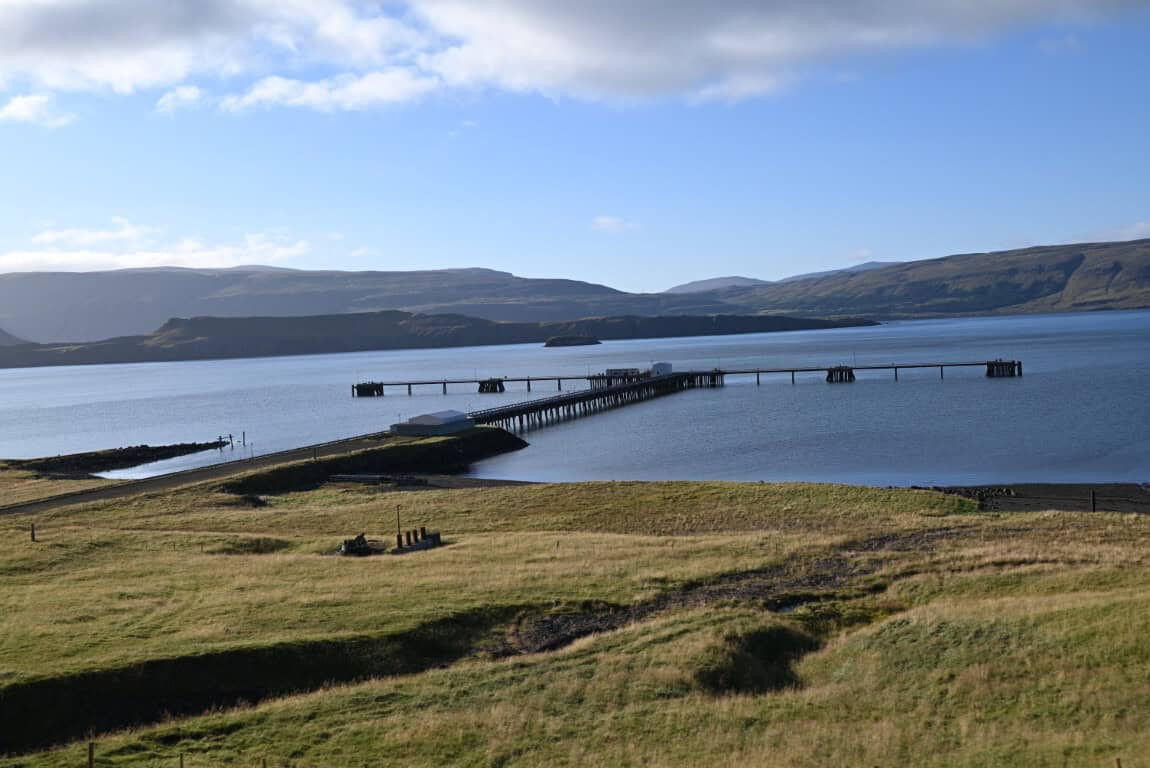
The Second World War brought a different kind of activity to Hvalfjörður, or Whale Fjord, a long, sheltered inlet north of Reykjavík. Its strategic position made it an important Allied naval anchorage during the Battle of the Atlantic. British and American forces used the fjord to support naval operations and protect the vital shipping routes crossing the North Atlantic. Military installations, docks, fuel facilities, and other infrastructure were established along its shores, turning this otherwise remote inlet into an important wartime staging area.
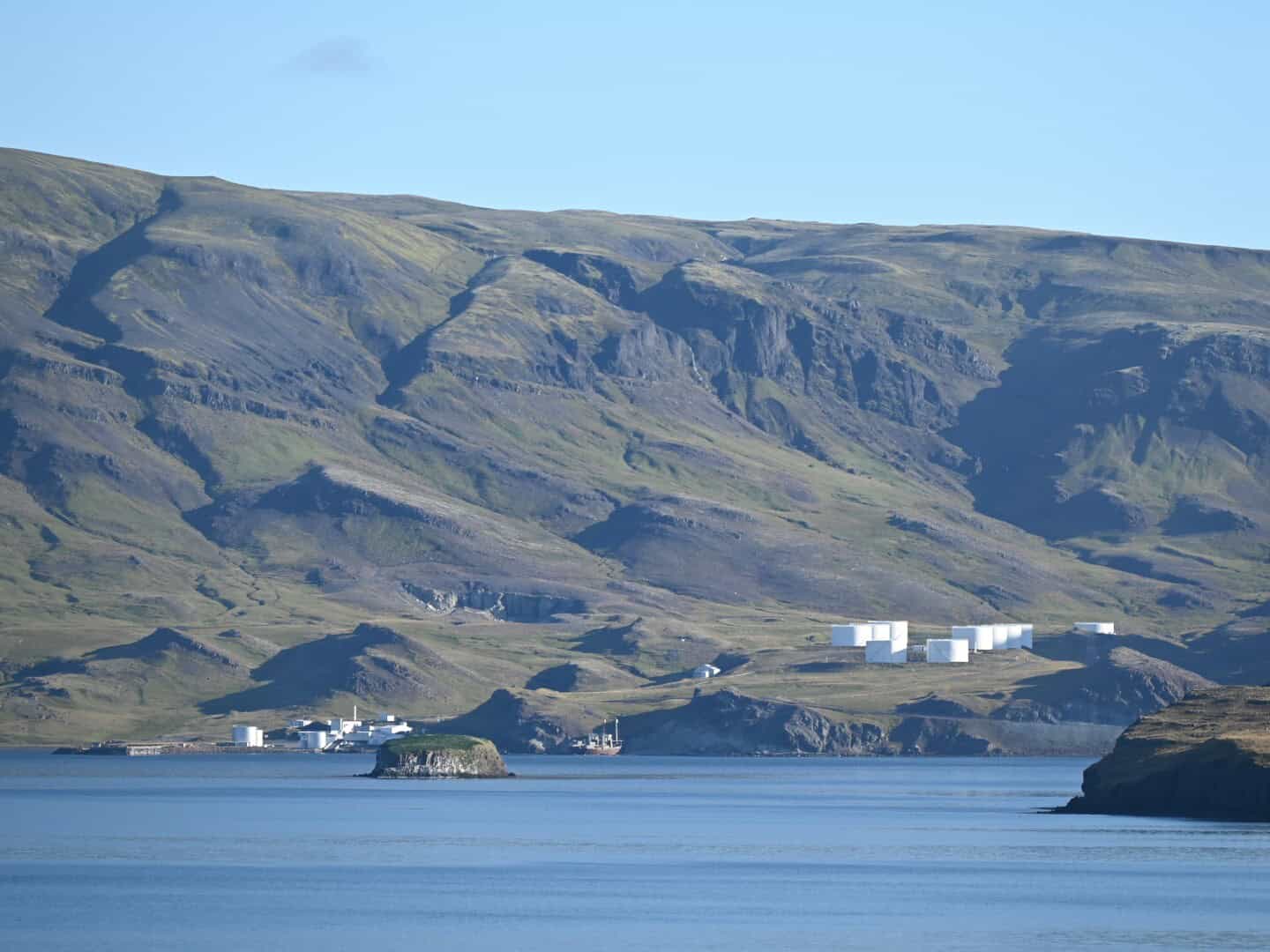
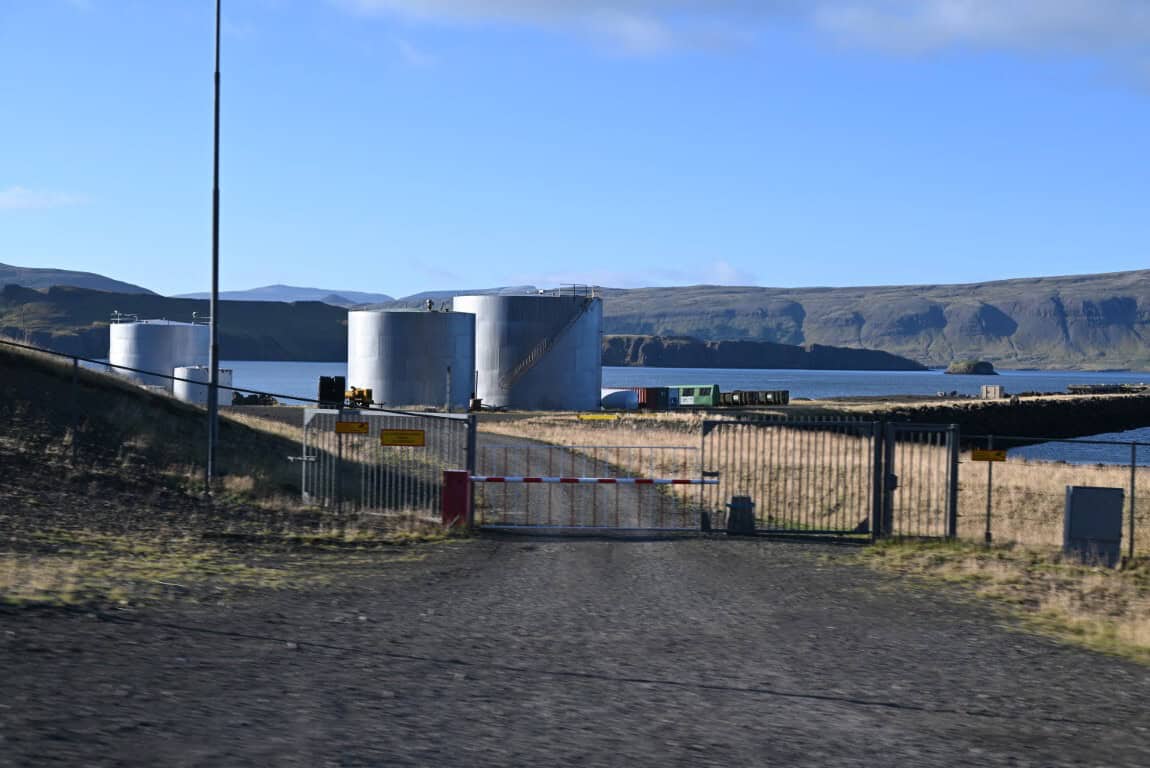
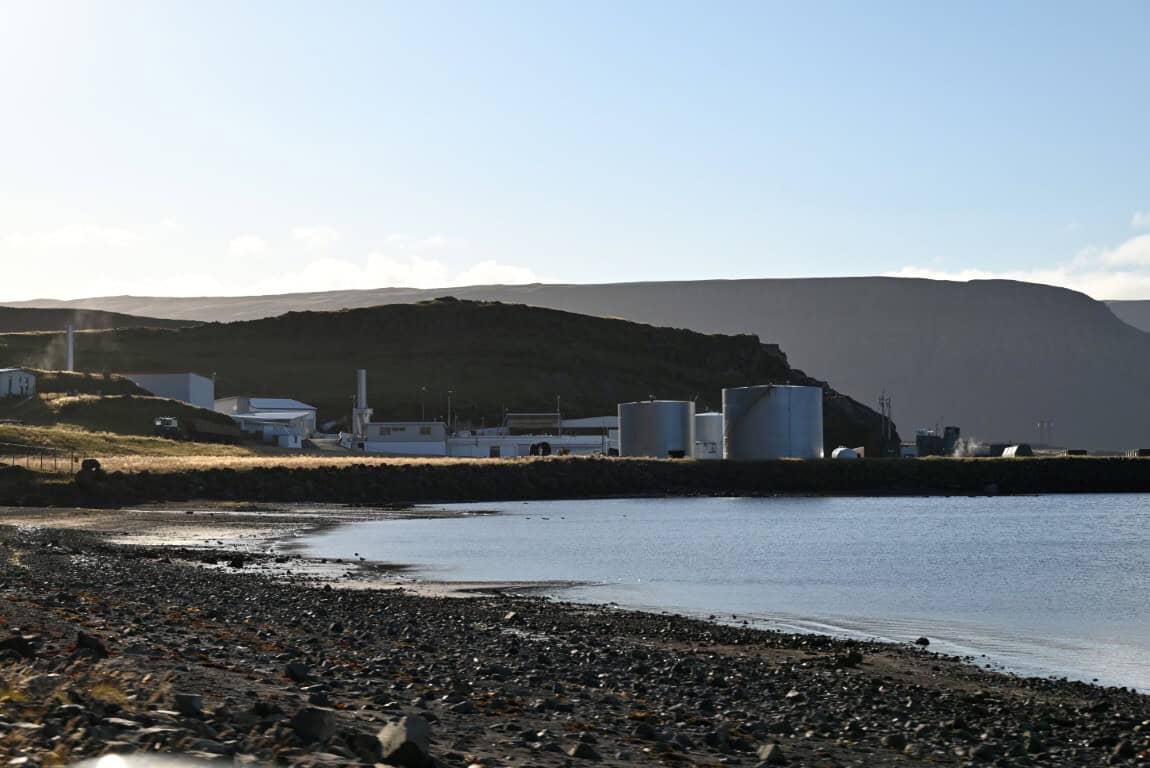
Following the war, the military installations were abandoned or transferred, leaving behind infrastructure that could be adapted for other purposes. In 1948, the Icelandic company Hvalur hf. acquired a former American naval facility at Hvalfjörður and established a commercial whaling station. The site’s sheltered waters, existing infrastructure, and access to the North Atlantic made it an ideal location for a large-scale operation. Hvalur hf. would become a central figure in Iceland’s modern whaling industry, processing catches brought ashore by its fleet of specialised catcher vessels.
Decline of Whale Population
International efforts to regulate whaling were also gaining momentum. The International Convention for the Regulation of Whaling was signed in 1946, establishing the framework for the International Whaling Commission (IWC), which began meeting in 1949. The organisation was created to conserve whale stocks while allowing the orderly development of the whaling industry. During the following decades, however, the scale of commercial whaling placed increasing pressure on whale populations. International restrictions became progressively more important, with several species receiving stronger protections as their numbers declined.
By the 1970s and early 1980s, opposition to commercial whaling had become increasingly prominent. Conservation organisations, including Greenpeace, campaigned against the killing of whales and brought international attention to the industry. The debate was no longer limited to the economic value of whale products or the management of fishery resources; it increasingly centred on the conservation of whale populations and the ethics of commercial hunting.
In 1982, the IWC agreed to a moratorium on commercial whaling, which took effect from the 1985–1986 season. Iceland did not initially accept the decision as a binding prohibition on its activities and continued whaling under a special research programme. This dispute brought Iceland’s industry into direct conflict with international conservation groups.
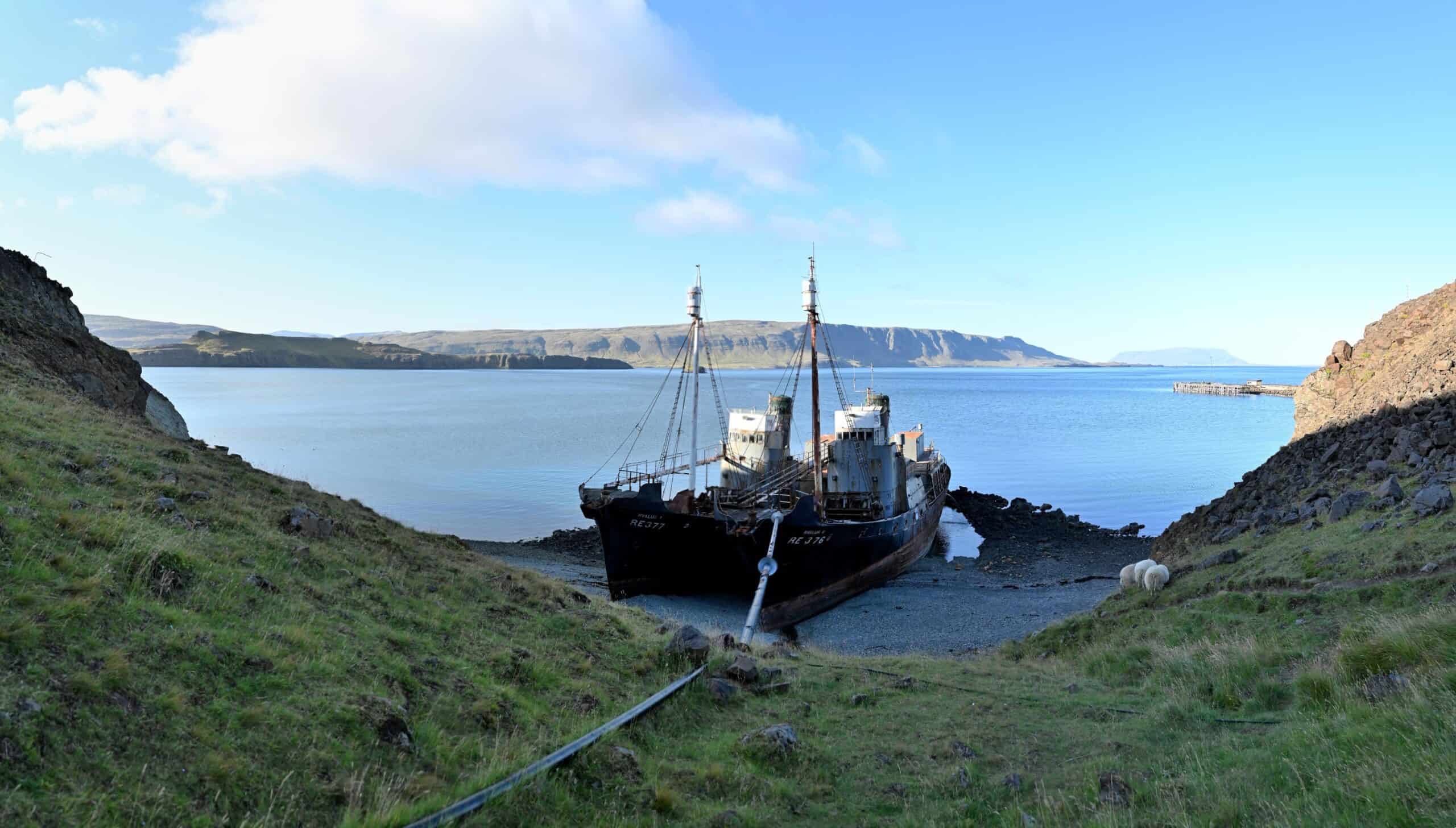
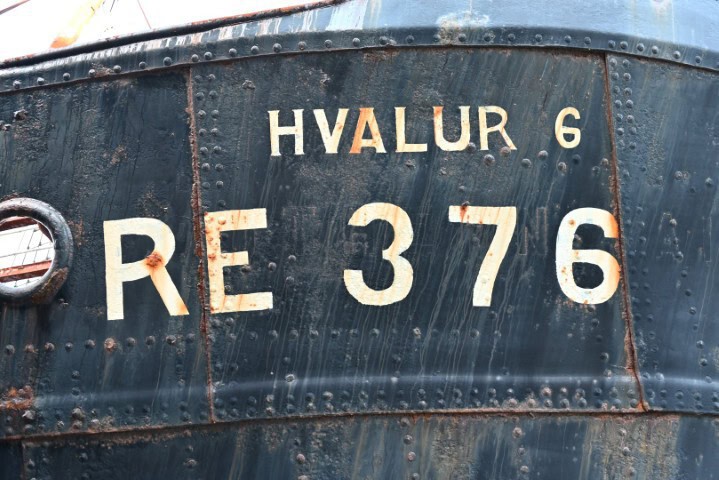
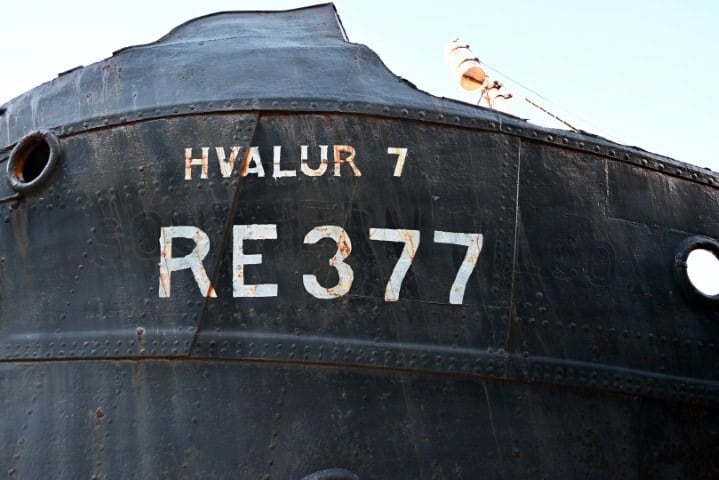
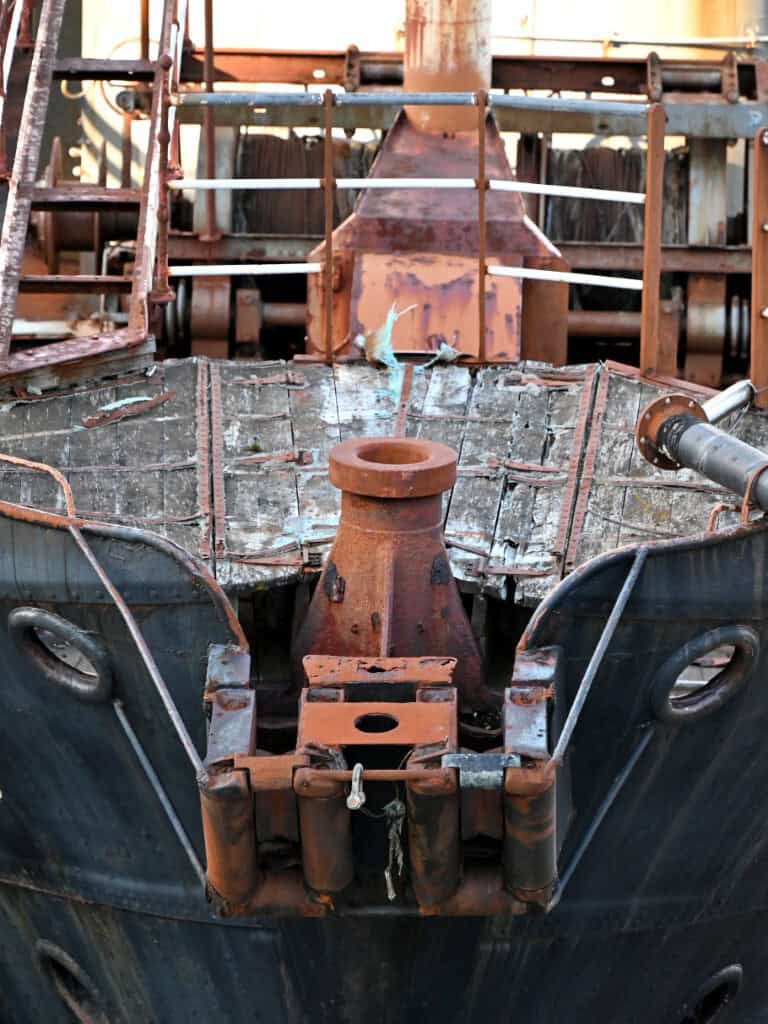
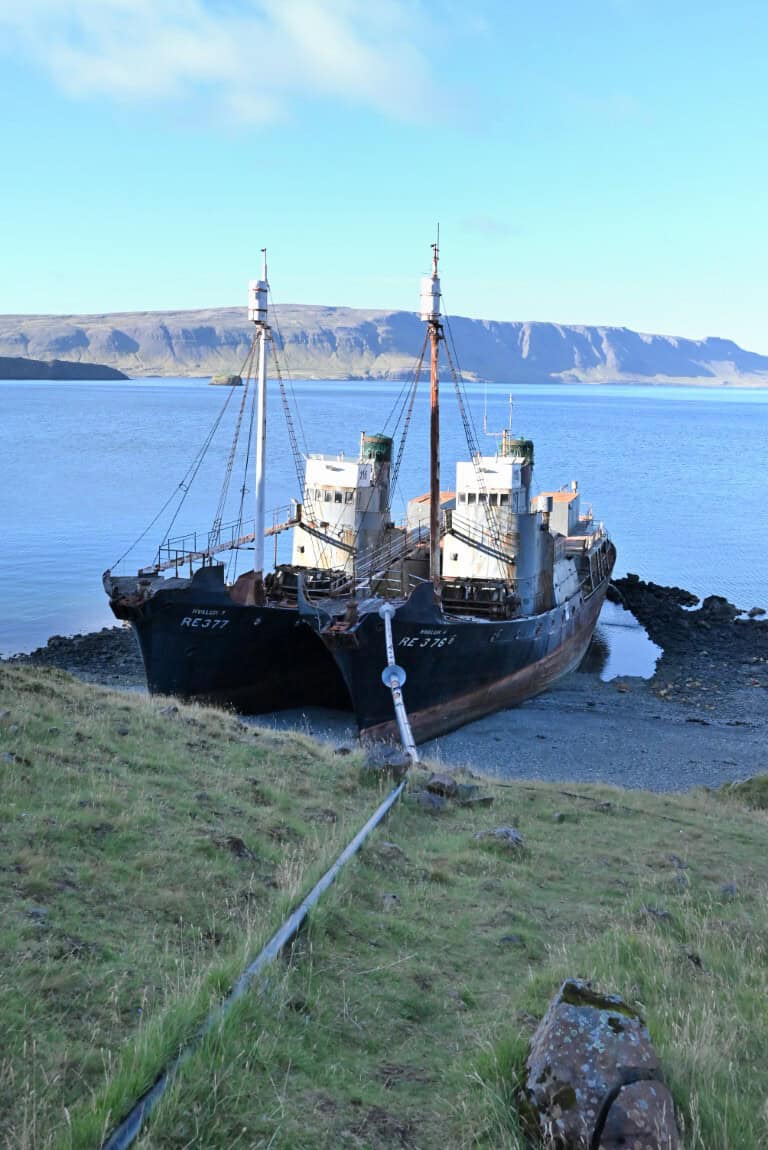
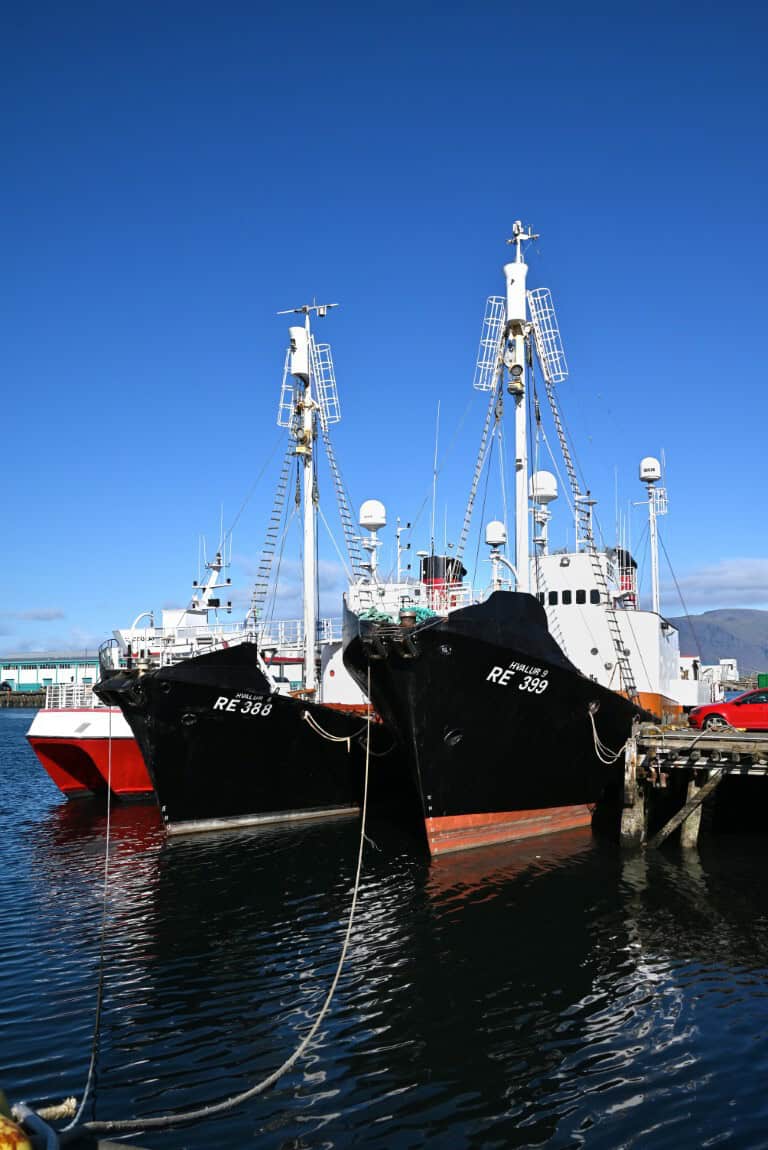
The controversy reached Hvalfjörður in November 1986, when activists from the Vancouver-based Sea Shepherd Conservation Society targeted Iceland’s whaling operations. The group claimed responsibility for damaging equipment at the whaling station and sinking two of the company’s vessels, Hvalur 6 and Hvalur 7, while they were moored in Reykjavík harbour. The ships were subsequently refloated, but the seawater had damaged their electrical systems and interiors. Repairs proved uneconomical, and the vessels were eventually taken out of service and left ashore near the whaling station at Hvalfjörður.
Hvalur 6 and Hvalur 7
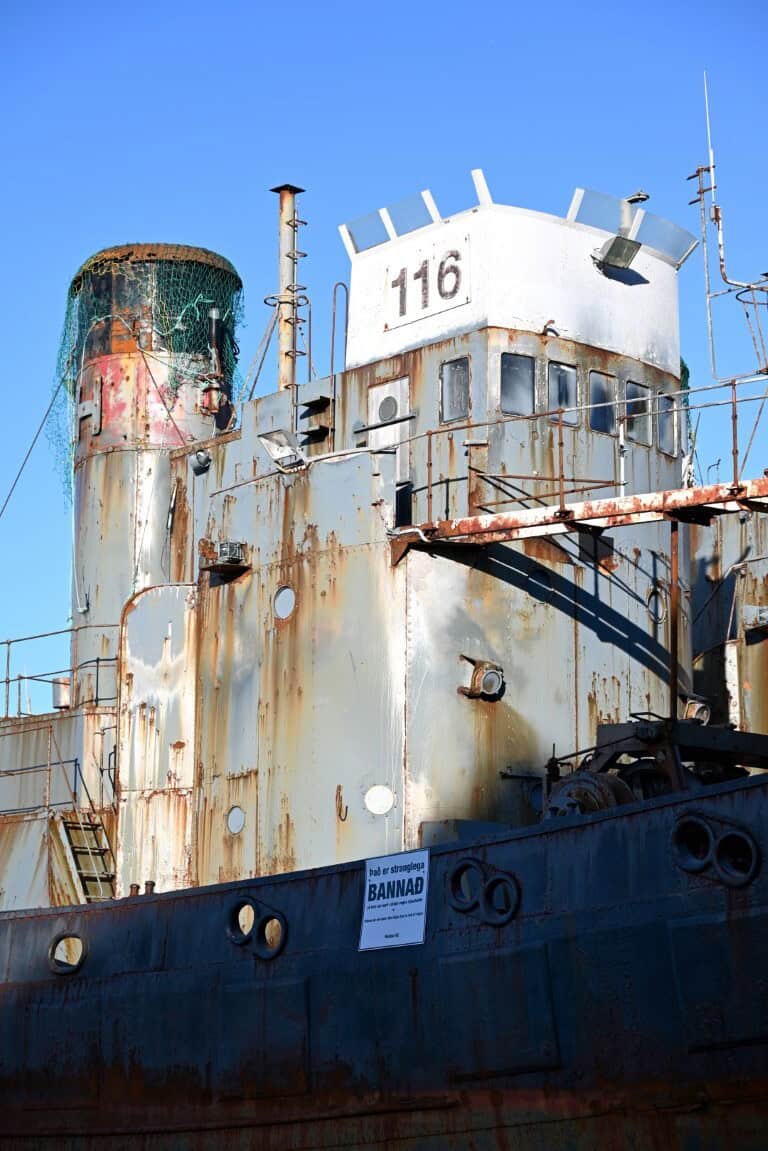
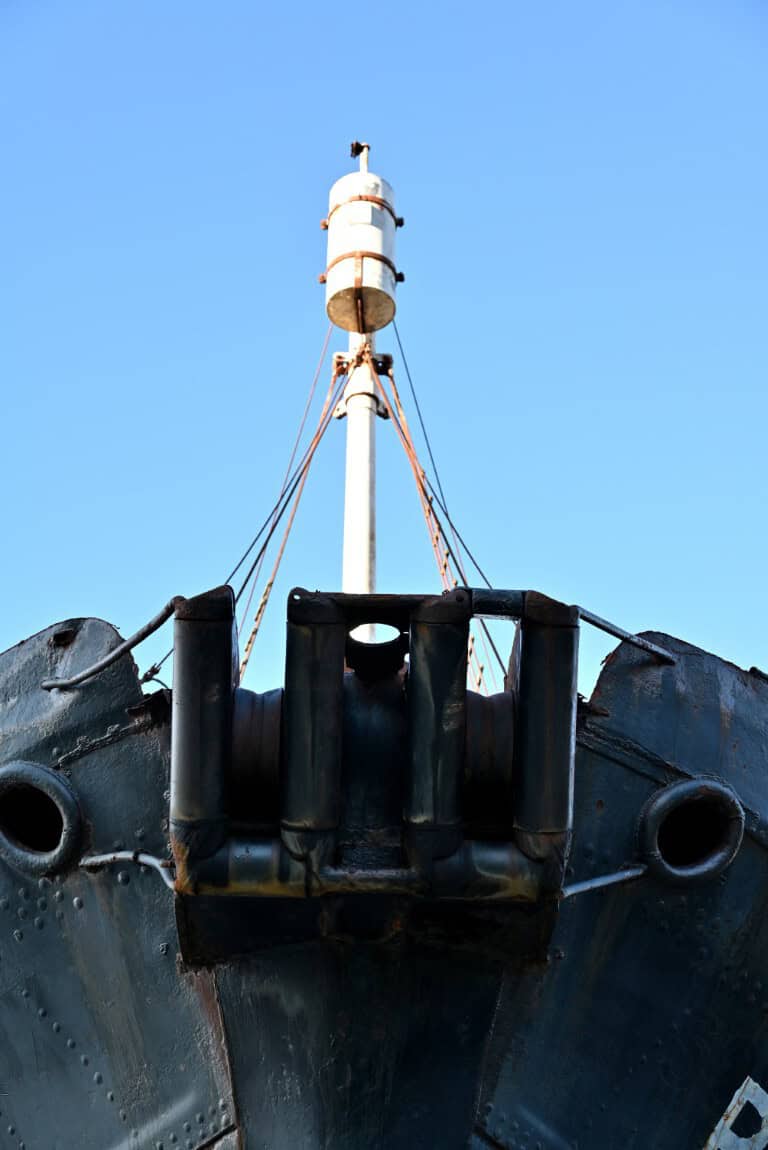
Built in England by Smith’s Dock Company in the mid-1940s, the two ships had originally operated in the South Georgia whaling industry before joining Iceland’s fleet in 1961. Their long service, followed by their sudden removal from operation, made them tangible reminders of the increasingly contentious relationship between commercial whaling and the international conservation movement. Today, the rusting vessels remain beside the former processing facilities, their weathered hulls and industrial surroundings offering a striking glimpse into a once-important part of Iceland’s maritime economy.
Iceland withdrew from the IWC in 1992, but later rejoined the international convention in 2002 with a reservation to the commercial whaling moratorium. In 2003, Iceland resumed whaling under a scientific research programme after a fourteen-year break. Minke whales were caught during the following years, while commercial whaling was subsequently authorised again. The distinction between scientific and commercial whaling became a recurring point of international disagreement, with conservation organizations questioning the need for continued hunting and Iceland maintaining that its activities could be managed sustainably.
A Controversial Industry
Commercial whaling resumed in earnest in 2006, although the industry continued to face substantial international scrutiny. Iceland’s participation in commercial whaling remained controversial, particularly as several other countries moved away from the practice and public concern about marine conservation grew. The country’s position reflected a continuing tension between national resource management, commercial interests, and international efforts to protect whale populations.
In 2019, Japan withdrew from the IWC and resumed commercial whaling within its own waters, while Iceland’s industry continued to experience interruptions. Icelandic commercial whaling was suspended in 2020, and the 2023 season was temporarily halted following concerns about animal-welfare standards. Although these interruptions raised questions about the industry’s long-term viability, they did not mark a permanent end to whaling in Iceland.
In December 2024, Iceland issued five-year licences authorising Hvalur hf. to hunt fin whales and Tjaldtangi to hunt minke whales, with the licences extending through 2029 subject to their terms and annual requirements. The decision drew renewed criticism from conservation organisations, particularly because no commercial whaling took place during the 2025 season. In June 2026, however, Iceland’s whaling industry returned to sea, with Hvalur’s vessels bringing the first fin whales of the season to the processing station at Hvalfjörður.

Future of Whaling
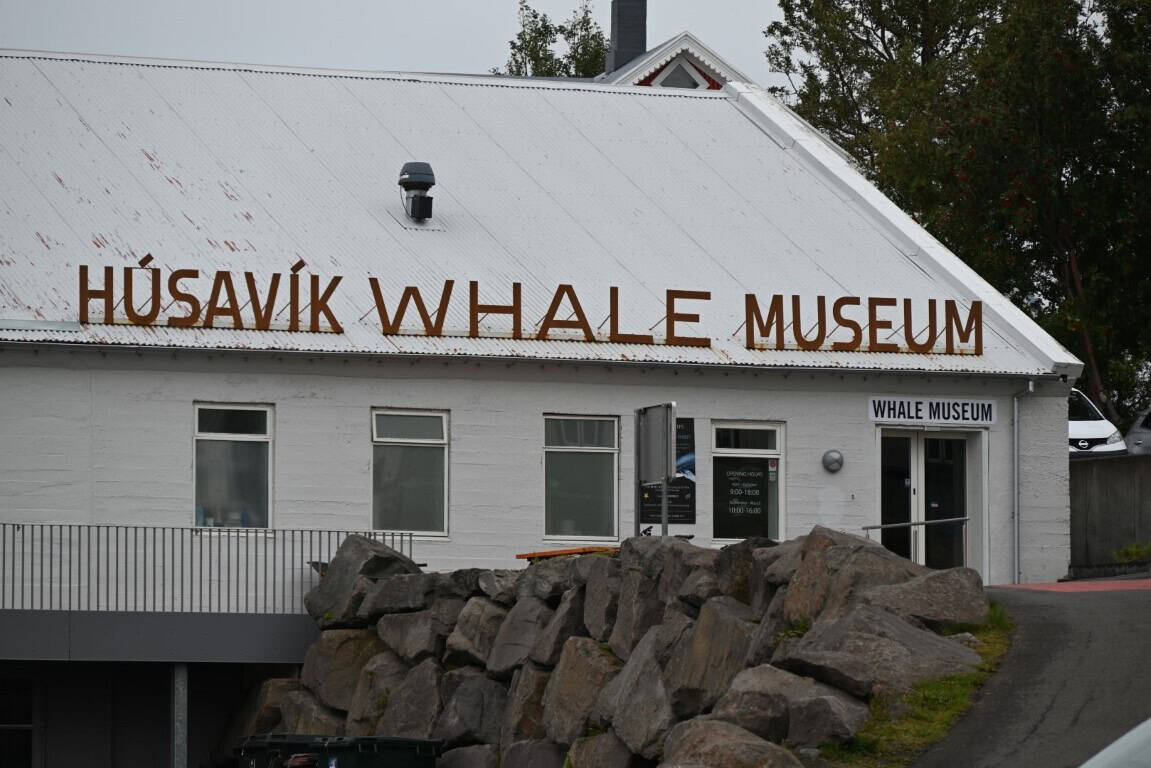
The future of whaling in Iceland remains uncertain. Supporters argue that the industry can operate within scientifically determined catch limits and provide employment and export revenue, while opponents question its economic necessity and raise concerns about animal welfare and the conservation of large marine mammals. The government’s recent consideration of further restrictions, including the possibility of a permanent prohibition, reflects the continuing debate over the industry’s place in modern Iceland.
At Hvalfjörður, this long history is especially visible. The abandoned whaling vessels stand beside the remains of an industrial complex that once connected Iceland to a global market for whale products. Together, they tell a story that spans medieval subsistence, European commercial expansion, wartime infrastructure, industrial whaling, and the modern conservation movement—a history in which the economic value of whales has repeatedly collided with changing ideas about how they should be protected.
Sources & Further Exploring
Animal Welfare Institute. (n.d.). Commercial whaling. https://awionline.org/programs/marine-wildlife/whaling/commercial-whaling/
Government of Iceland, Ministry of Industries. (2024, December 6). Licences for hunting of fin whales and minke whales issued. https://www.stjornarradid.is/frettir/grein/2024-12-06-Licences-for-hunting-of-fin-whales-and-minke-whales-issued-/
International Fund for Animal Welfare. (n.d.). History of whaling in Iceland. https://www.ifaw.is/history/
International Whaling Commission. (n.d.-a). Commercial whaling. https://iwc.int/management-and-conservation/whaling/commercial
International Whaling Commission. (n.d.-b). Iceland and commercial whaling. https://iwc.int/iceland
International Whaling Commission. (n.d.-c). Scientific permit whaling: Catches taken under special permit. https://iwc.int/management-and-conservation/whaling/aboriginal/table_permit
Grønholt-Pedersen, J. (2026, September 14). Iceland’s last whaling company shrugs off threat of permanent ban. Reuters. https://www.reuters.com/world/icelands-last-whaling-company-shrugs-off-threat-permanent-ban-2026-09-14/
Heritage Newfoundland & Labrador. (n.d.). Basque whaling in Red Bay, Labrador. https://www.heritage.nf.ca/articles/exploration/basque-whaling-red-bay.php
International Fund for Animal Welfare. (2026, June 24). First fin whales killed as Iceland’s brutal whaling industry resumes. https://www.ifaw.org/uk/press-releases/first-fin-whales-killed-as-icelands-brutal-whaling-industry-resumes
University of Iceland. (2025). Whale claims and the church in Iceland, ca. 1270–1400. https://iris.hi.is/en/publications/hvalvonir-kirkjustofnana-um-1270-til-1400/
United Press International. (1986, November 10). A militant conservation group that sank two whaling boats also claimed responsibility for smashing equipment in Iceland’s whaling station. https://www.upi.com/Archives/1986/11/10/A-militant-conservation-group-that-sank-two-whaling-boats/3902531982800/


