Hvalfjörður Fjord
We woke up on our last morning to clear skies, no wind, and calm seas, making it one of the nicest days of the trip. While we only had a few places to check out in Reykjavik before heading to the airport, we took advantage of the nice weather to skip the quick route to Reykjavik via the Hvalfjörður Tunnel and instead circle the Hvalfjörður fjord. The extended trek paid off, as Hvalfjörður, which translates to “Whale Fjord,” did not disappoint in beauty and history. Mountains encircled the fjord, which slowly tapered to grassy fields and forest that eventually met the calm waters of the 30-kilometer-long inlet.
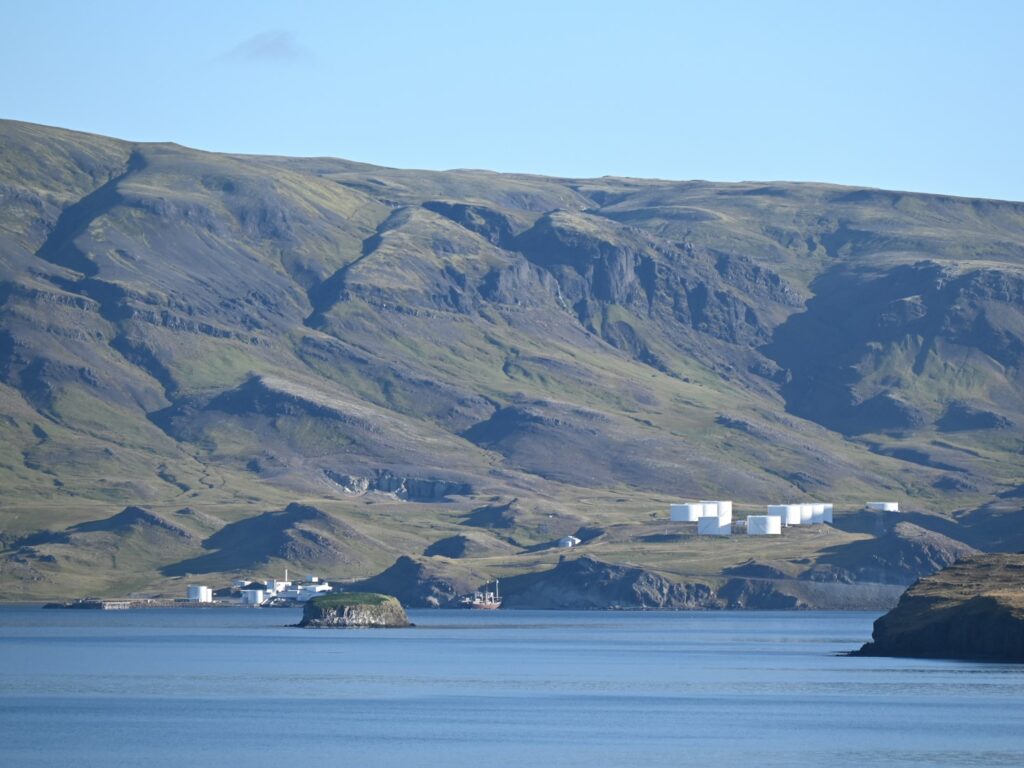
The road was riddled with both abandoned and active farms, quaint little hillside cottages, and small streams and waterfalls running off the mountains. At the end of the fjord, we found the true reason for driving around Hvalfjörður—the Hvalur hf. Whaling Station. Built on the site of an old World War II naval supply base, the whaling station is the last operating whaling station in Iceland. This slowly dying industry has been stagnant the last couple of years as the Icelandic government contemplates its fate. While most nations around the globe have banned commercial whaling, Iceland remains a holdout, citing the industry’s ties to local practices and traditions and the role it still plays in local economies. This is in stark contrast to the refreshing sentiments and insight we experienced at the Húsavík Whaling Museum, which focused on the pressures whale populations have been put under that originated from the whaling industry and have now been reignited due to climate change.
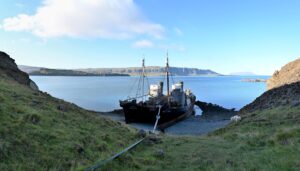
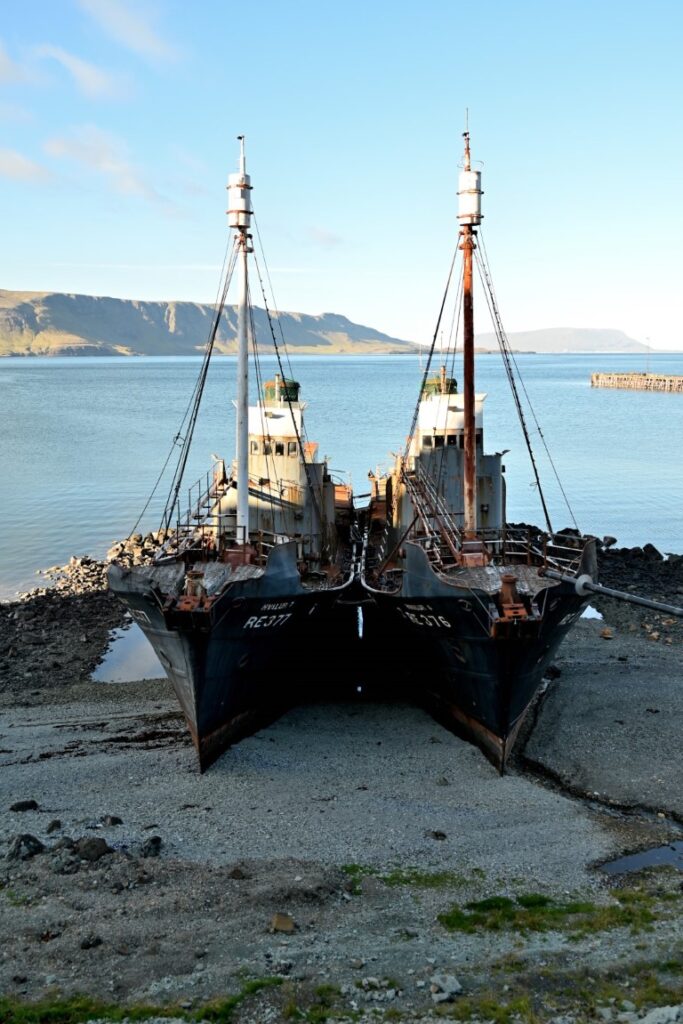
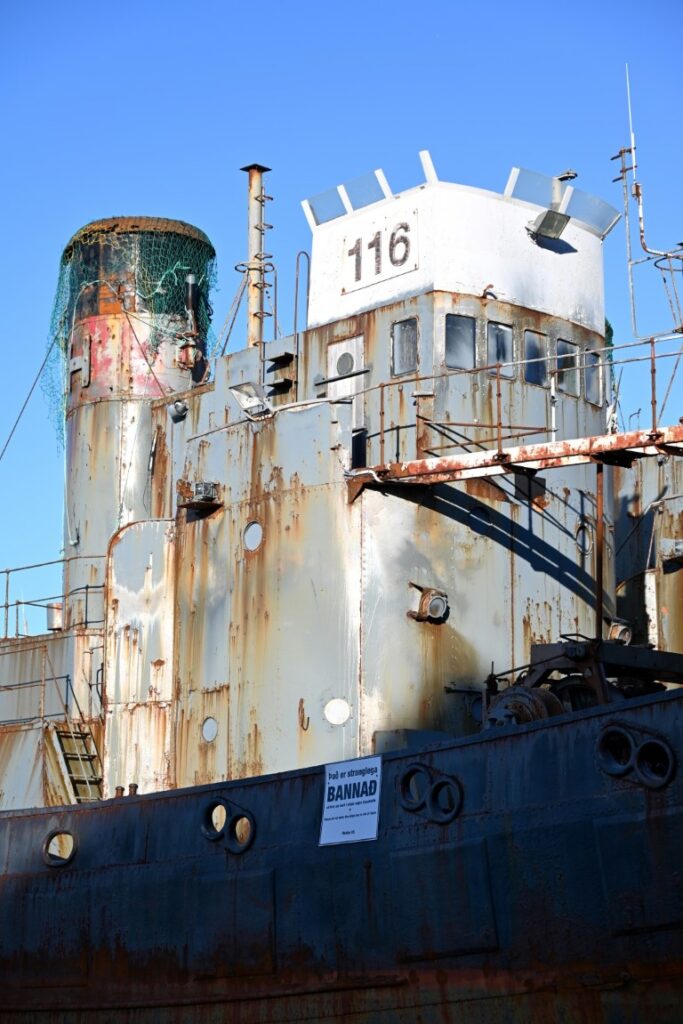
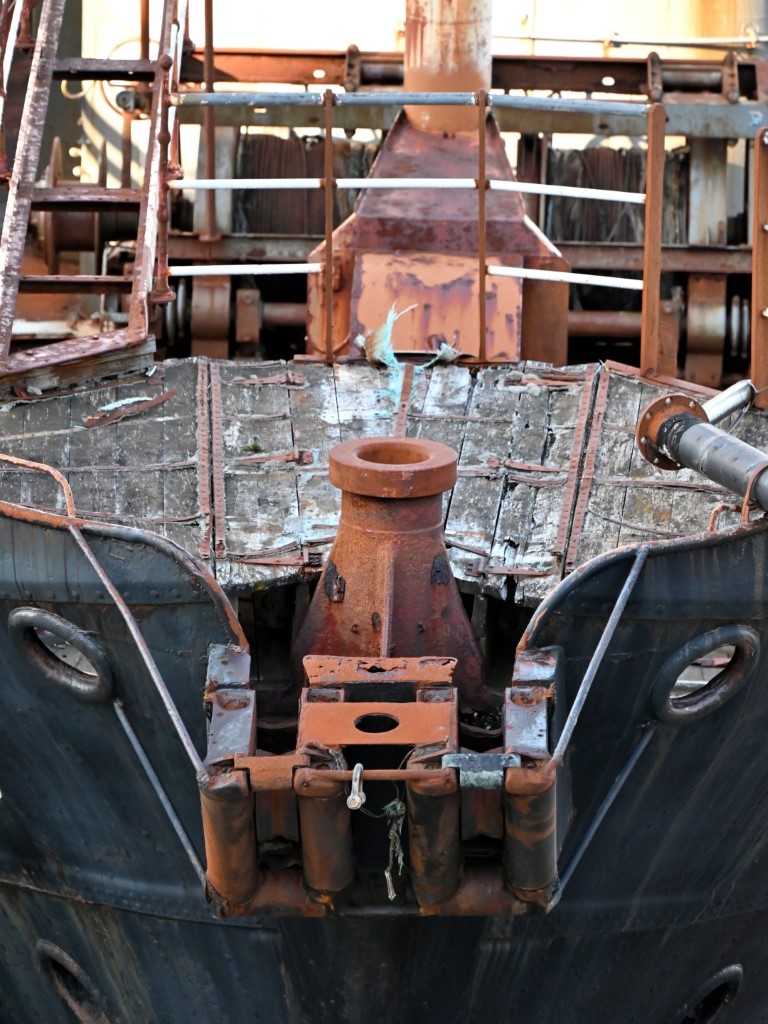
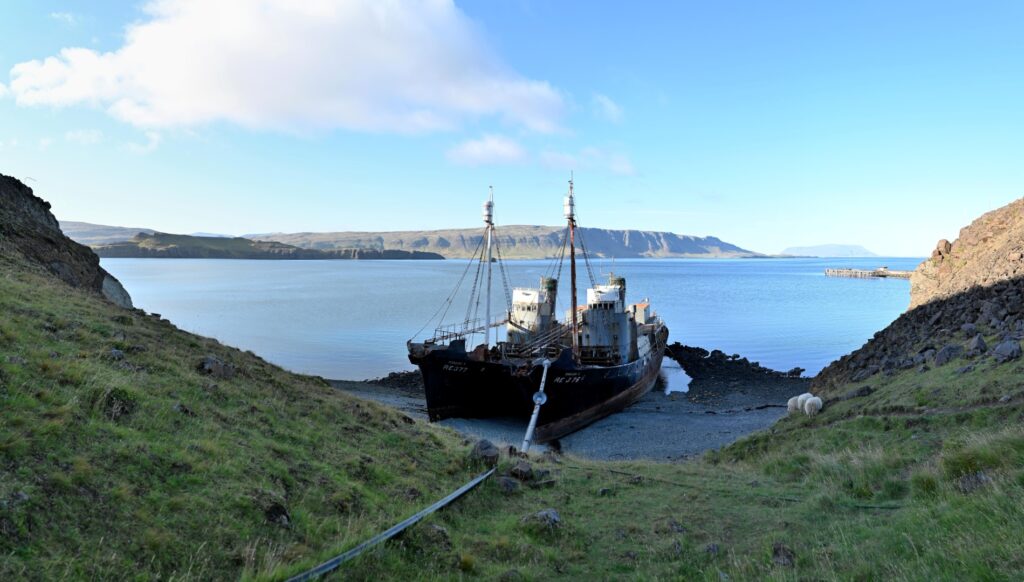
Thankfully, not everyone feels the same way about the industry as the Icelandic government historically has. This is reflected in a small cove near the whaling station, where two of the station’s former whaling ships can be found, beached and decaying. Christened Hvalur 6 RE-376 and Hvalur 7 RE-377, the two ships were sunk by activists in 1986 before being refloated and purposely run aground in the cove until they could be repaired. Since that time, they have remained abandoned, their decks left silent, and their hulls vandalized with graffiti. Today, these ships serve as a symbol of the fjord’s industrial past, but also as a symbol of the legacy of the nation’s whaling industry
Reykjavík
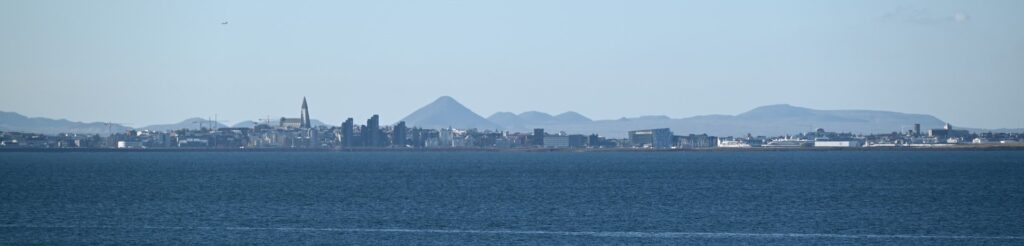
After a short hike to the ships, we continued our journey around the fjord and into Reykjavik. Parking downtown, we explored the many shops, stores, and artist studios the downtown core is known for.
Icelandic Phallological Museum
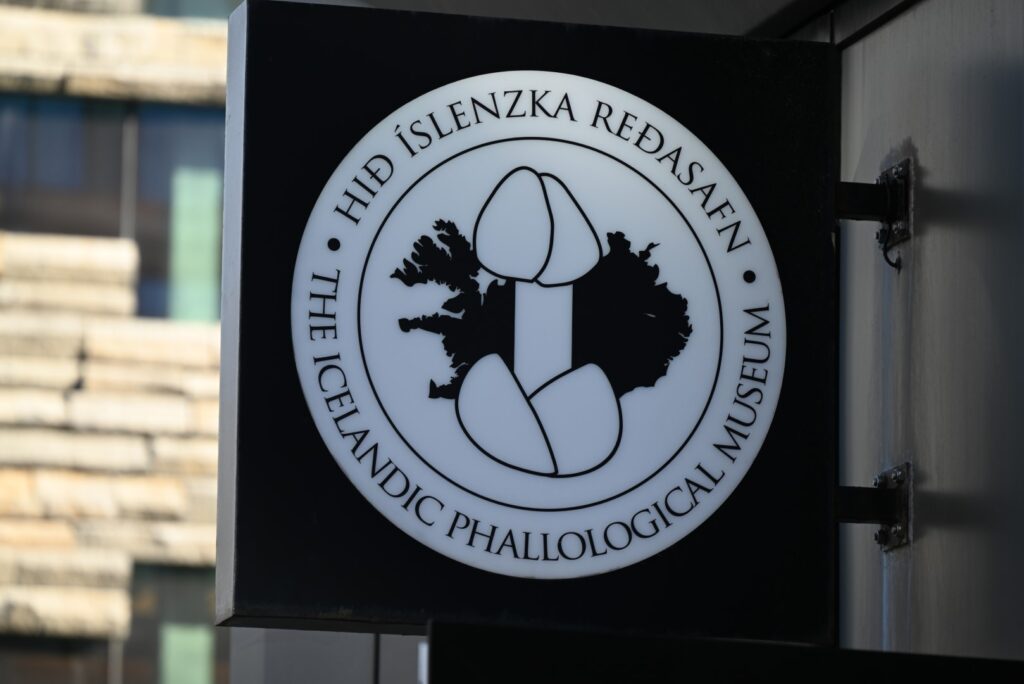
After purchasing a few books and pieces of art, we ventured to the highly recommended and peculiar Icelandic Phallological Museum—more commonly referred to simply as the “Penis Museum.” Most people may be attracted to the well-known exhibit for its obscurity or profanity, but in fact it turned out to be an incredibly interesting museum. Without glossing over the details, the museum contains hundreds of penises belonging to everything from mice and hamsters to elephants and blue whales. The museum blends science with folklore and pop culture, allowing visitors to deep dive into the extraordinary world of reproduction. While all scientifically based, it periodically detours into the humour and amusement that cannot be ignored in a phallic museum. Whether you are a scientist or a penis-drawing enthusiast, you are bound to find great enjoyment here!

Reykjanes Volcanic Field
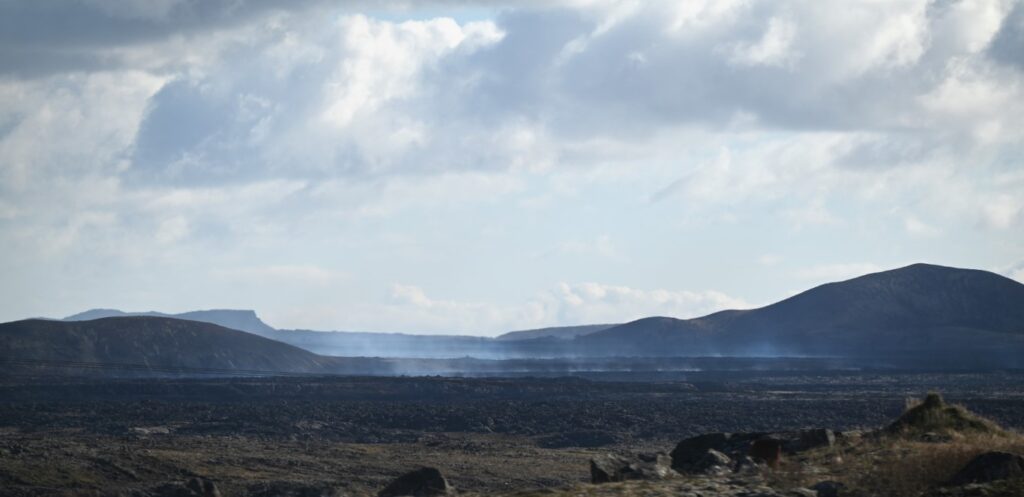
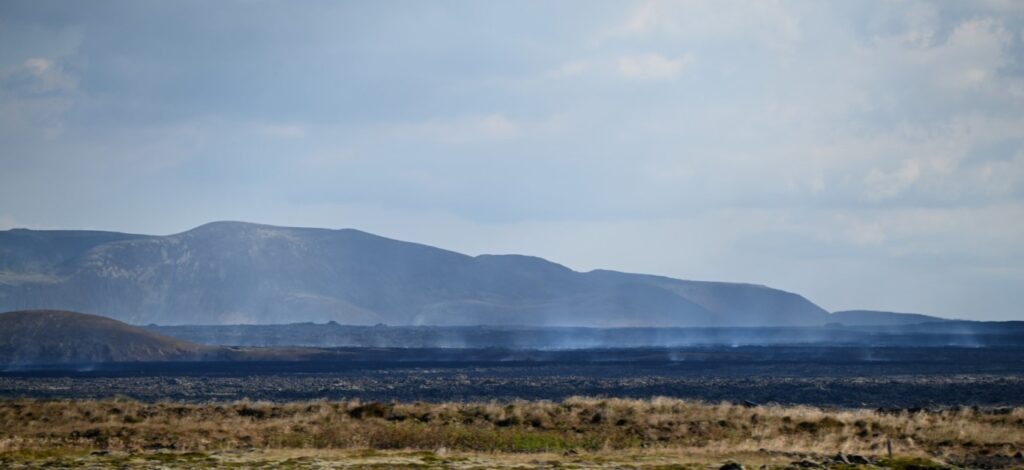
Leaving the city, we began the 45-minute drive to Keflavík International Airport. The highway travels alongside the Reykjanes Volcanic Area, which just days prior had been actively erupting. When we landed here 12 days before, we were able to catch glimpses of the eruption and lava flows but were severely limited because of fog and rain. Now, however, despite the eruption having been over for nearly a week, the entire horizon could be seen smoking as the recent lava flows continued to cool. This view was an incredible final send-off, and while we had learned more than we ever thought we could from this incredible island, the main lesson was once again reinforced—that is, the incredible and dynamic nature of our planet. The planet is forever changing, and while it may be slow, over the course of geologic time it is substantial and needs to be witnessed and understood to respect. Combine this with the current changes we are witnessing in the weather, climate, and ecosystems, and more than ever, we need to do our part to ensure that there is still a piece left for tomorrow’s generation.
Iceland is well known as the land of ice and fire, but it is also a place where you can see new land form and witness life sprouting up from between the rocks. The water is pure and the air is clean, the people are incredibly friendly, and the landscapes are otherworldly. Iceland is like no other place on Earth, and we’re very lucky to have just a little bit of time in such an incredible place.
Taking off, we caught one last glimpse of the town of Keflavík and the lava fields surrounding the airport, before sitting back with a glass of beer, exhausted but with a renewed sense of adventure.