Húsavík
The next day we loaded our gear into our rental which, although still proving to be too small for the four of us, was starting to grow on us. We turned off the Ring Road once again to travel up Highway 85 to the northern fishing community of Húsavík. To be honest, if it were not for the Will Ferrell and Rachel McAdams movie Eurovision Song Contest: The Story of Fire Saga, we might not have taken the detour, but even beyond the town’s many references in both the movie and the real Eurovision Song Contest, it turned out to be one of our favorite destinations of the whole trip.
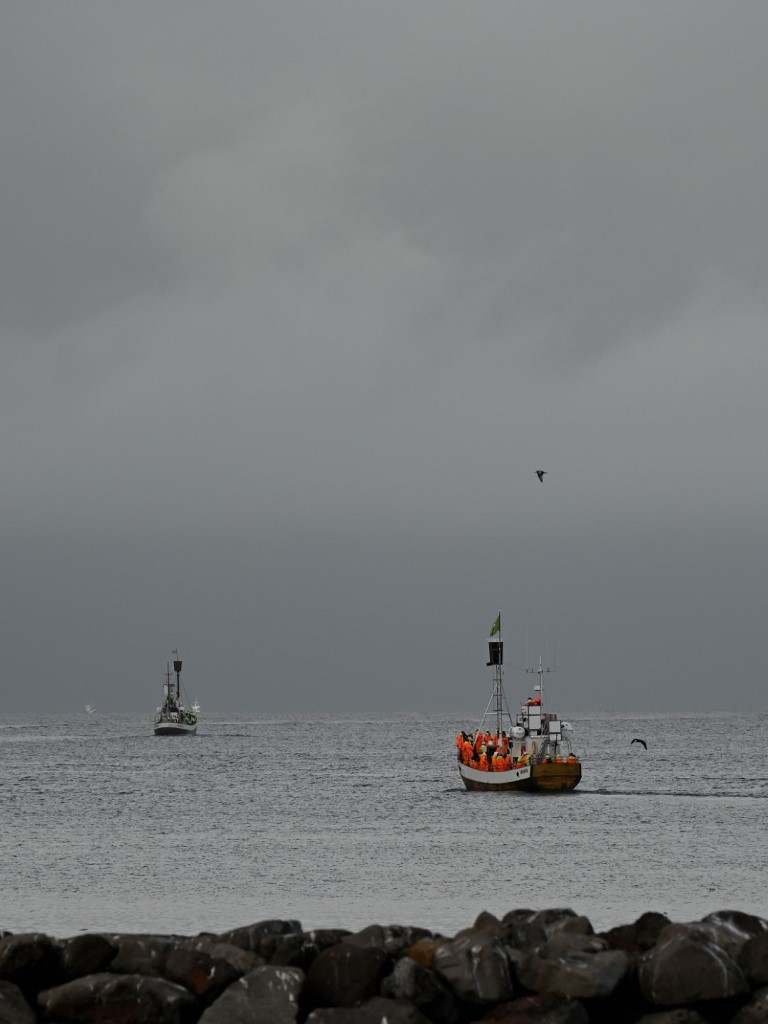
Located just 27 kilometers south of the Arctic Circle, Húsavík is a safe harbour from the frigid Arctic Ocean and is centered around an active fishing harbour. The town of 2,300 still relies heavily on fishing; however, in recent years tourism has matched this. Known as the Whale Watching Capital of Europe, Húsavík boasts many boat tours, craft shops, and museums, including the Húsavík Whale Museum and The Eurovision Museum.
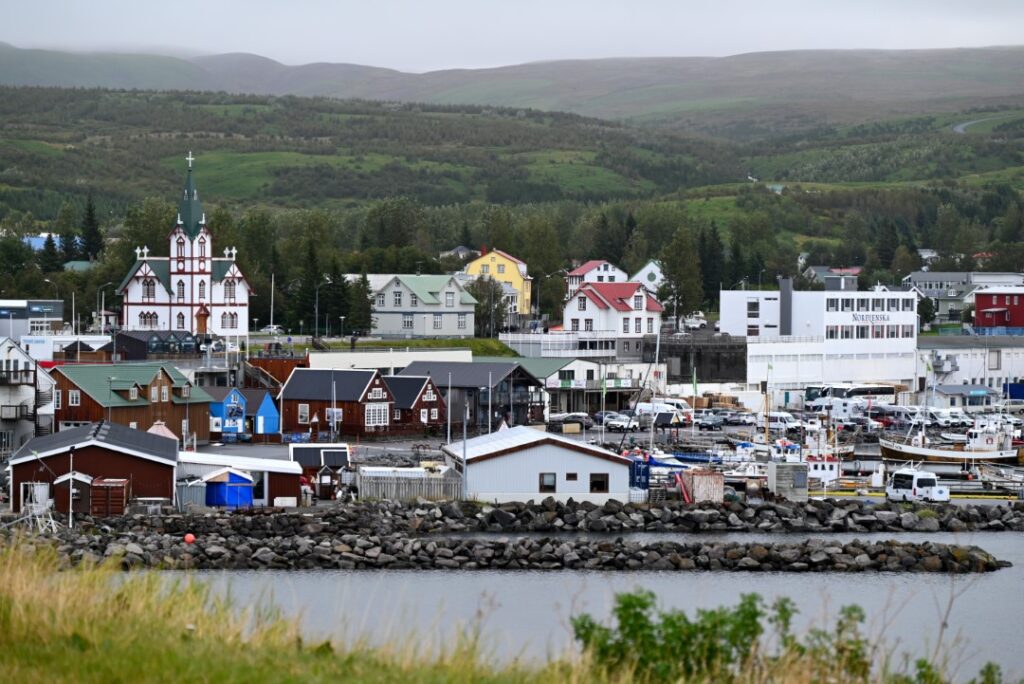
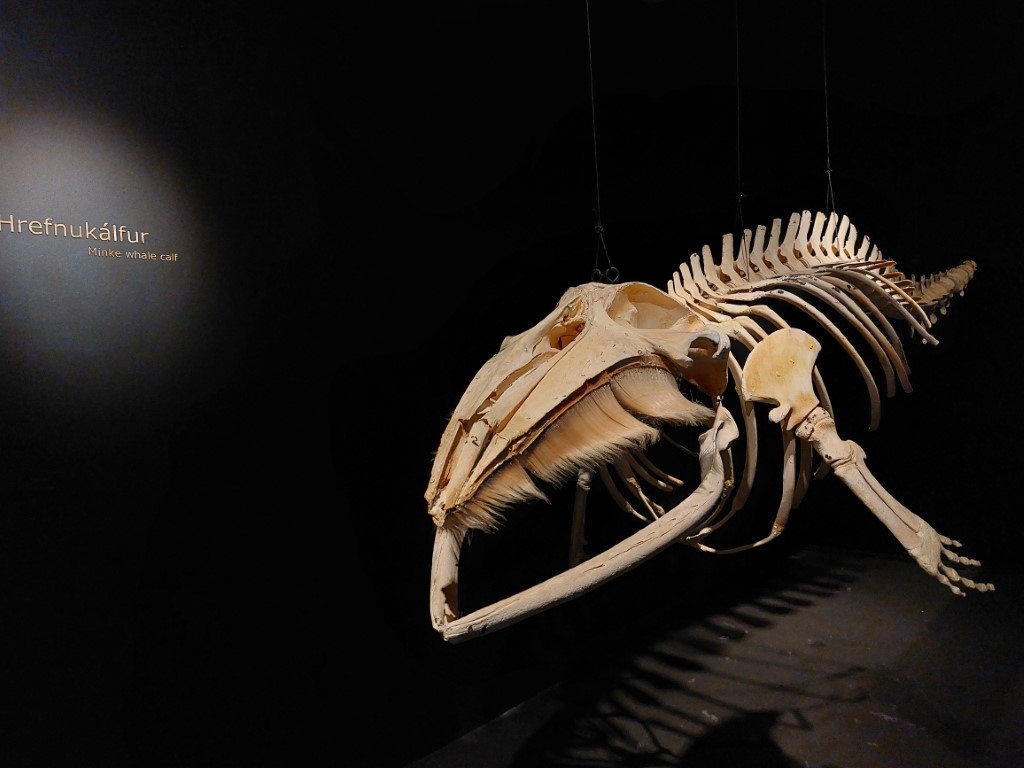
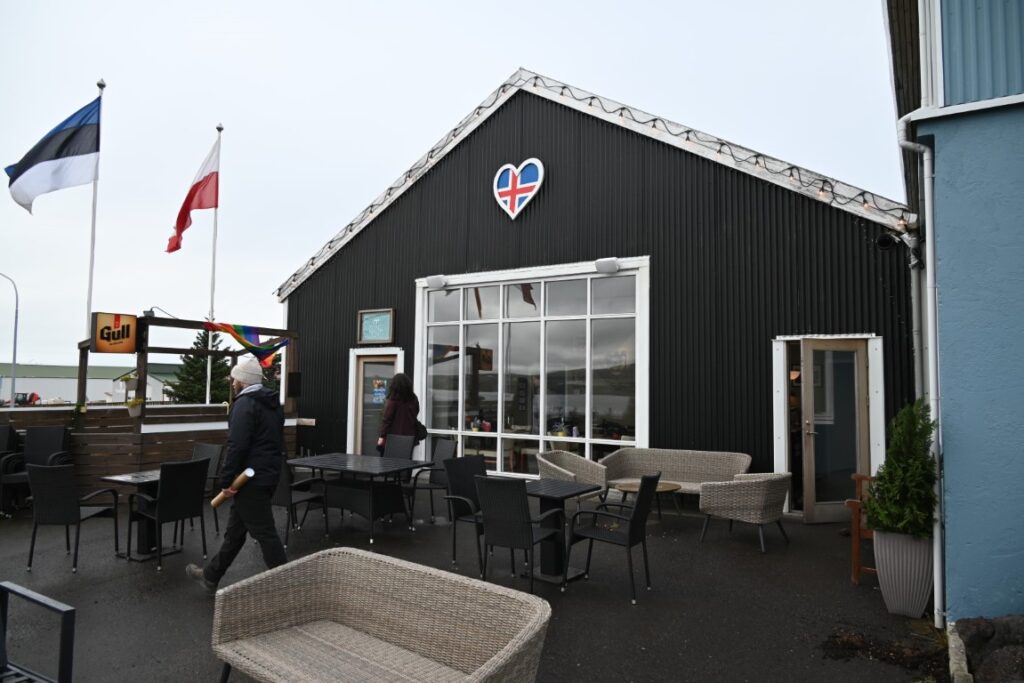
Parking near the harbour, we started our adventure by stopping into the Lókal Bistro for coffee. The day was turning out greyer and wetter than we would have liked, but we were able to escape the periodic drizzle by checking out the town’s many art and craft shops. After wandering around the harbour, we ventured into the Húsavík Whale Museum. Húsavík, and Iceland as a whole, has long partaken in the whale hunt, which Húsavík was once the centre of. After learning about the life and sheer scale of the many species of whales that can be found around Iceland’s coast, the museum takes an emotional turn as it discusses the ongoing negative impacts of whaling, and the new pressure climate change has put on whales in the area. Given the community was centered around this devastating industry for so long, it was a pleasant surprise to see the candid recognition of the impacts of this cruel practice on vulnerable populations.
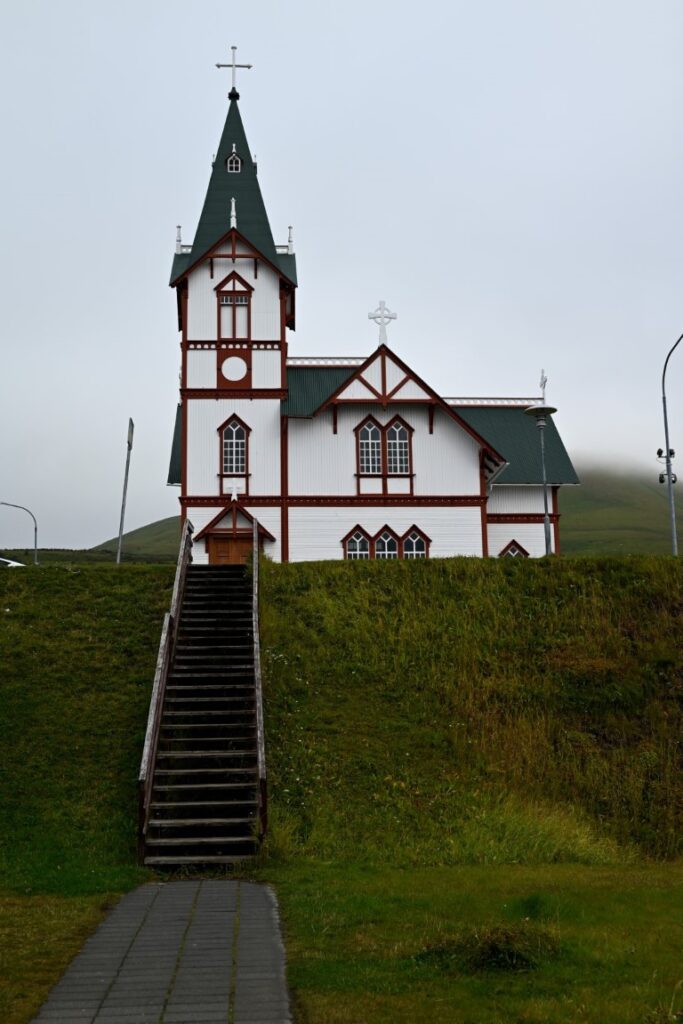
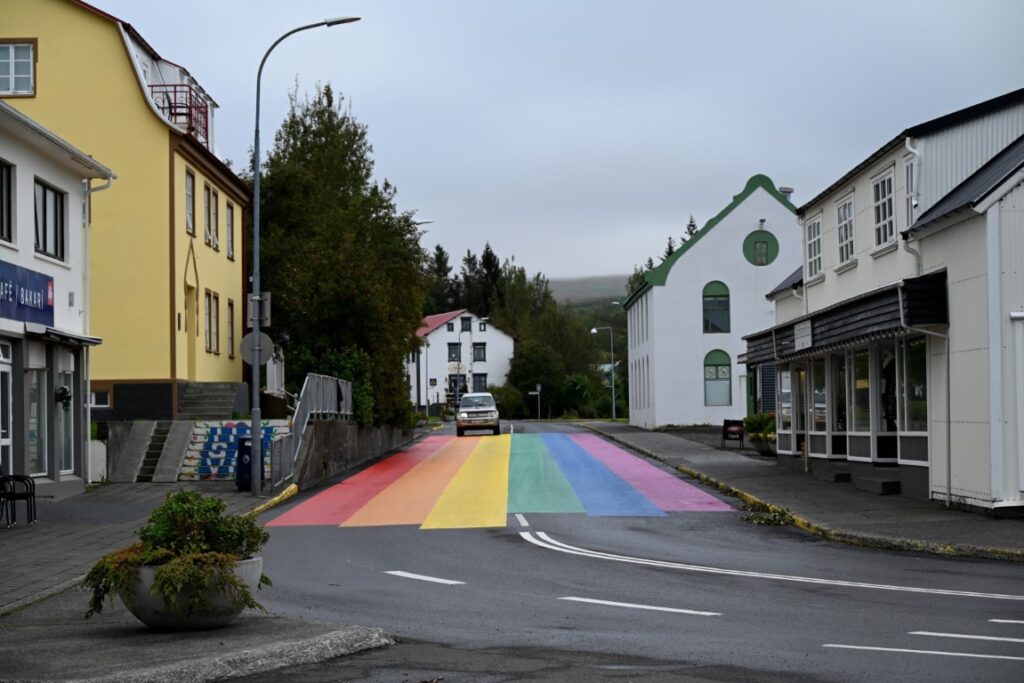
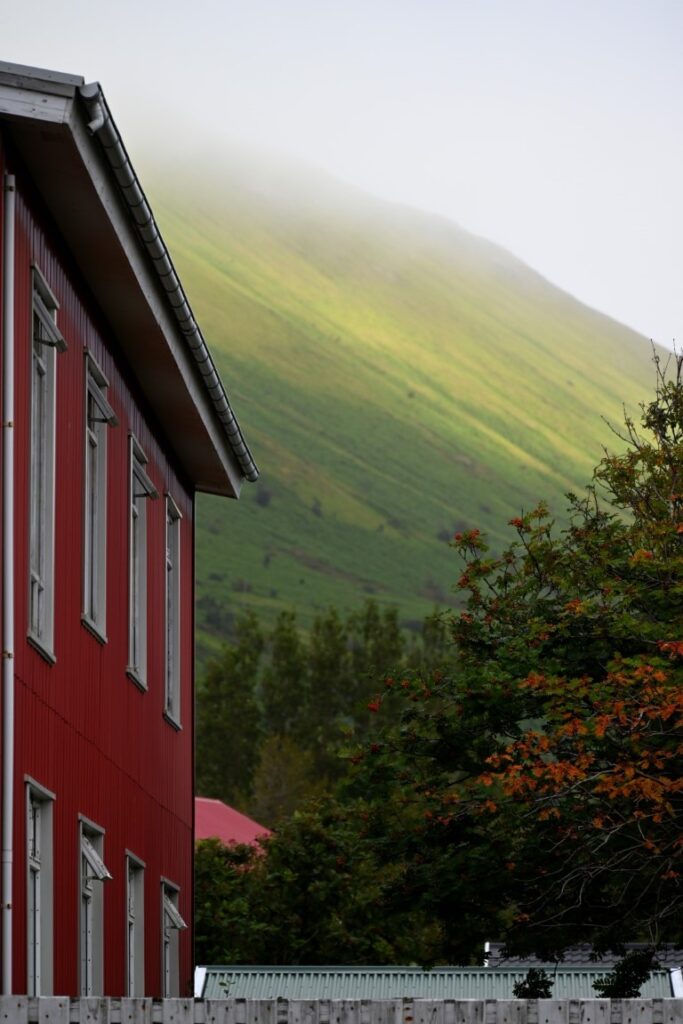
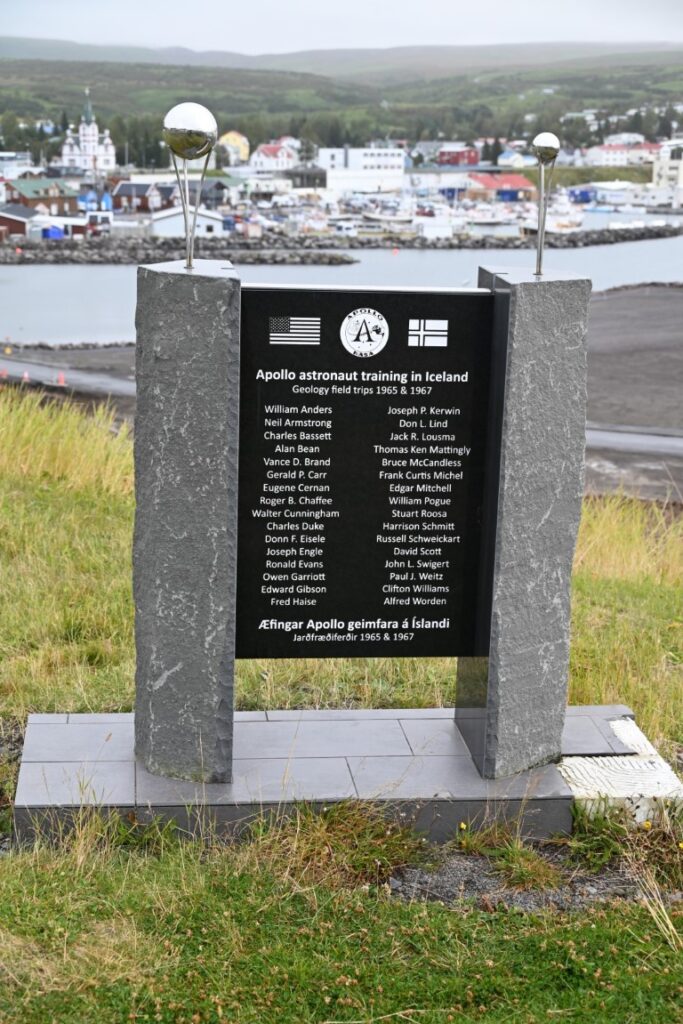
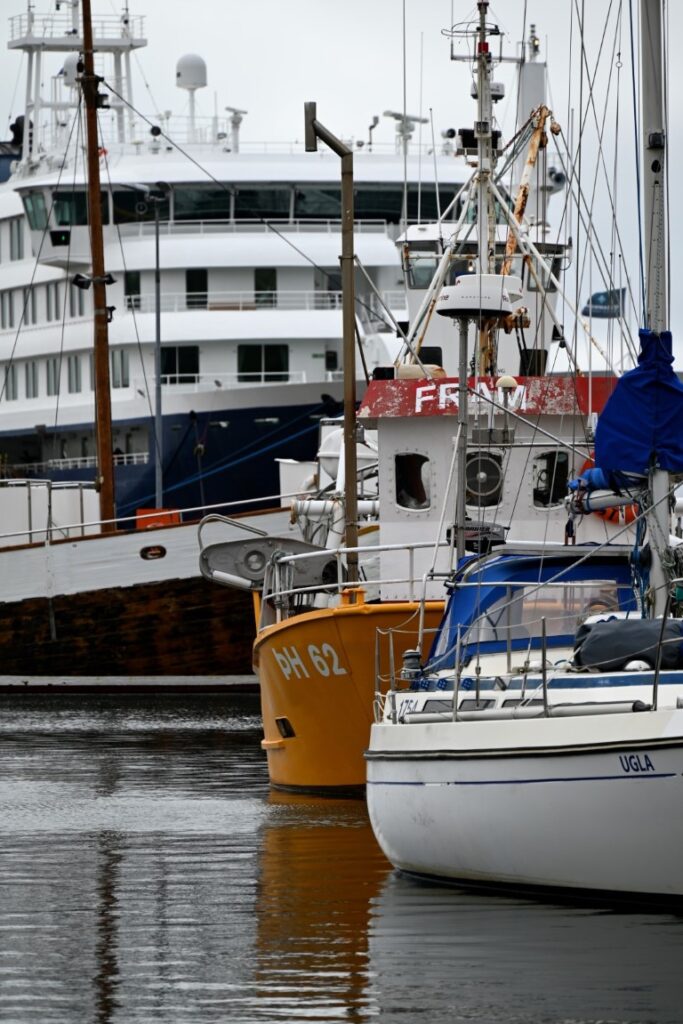
An interesting discovery we made in the museum was the close connection between the Icelandic whaling industry and the whaling industry in Newfoundland and Labrador. There were several mentions of our home province throughout the exhibits, and its frequent inclusion within the museum’s library told a similar story of Norwegian monopolization of the industry, the importance it played in small nations, and the struggle of the industry to compete with dwindling whale populations and harmful hunting practices.
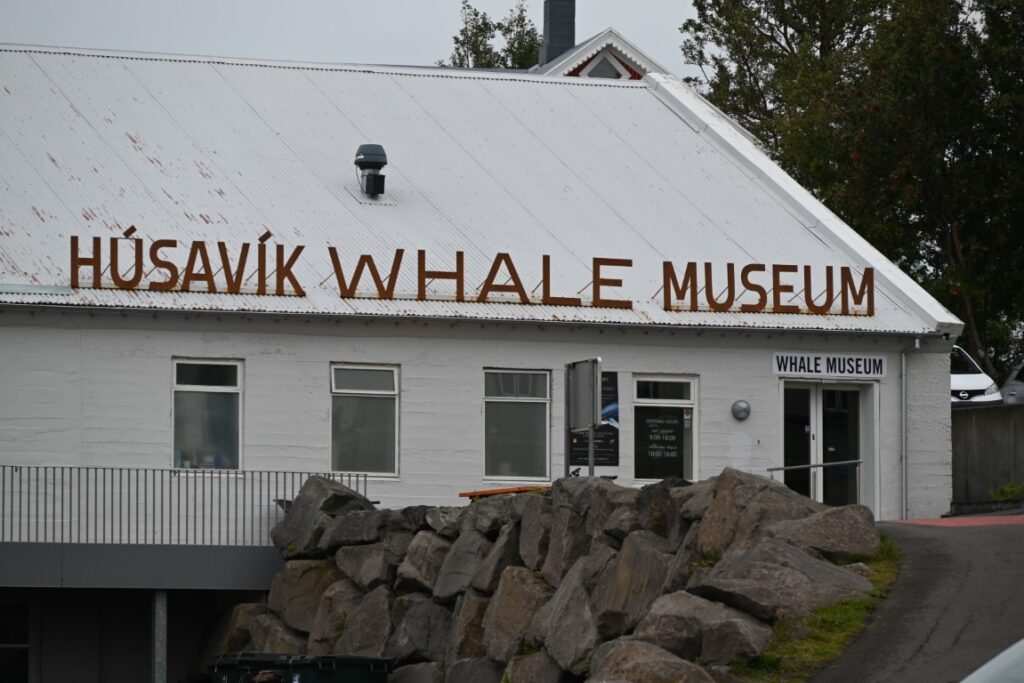
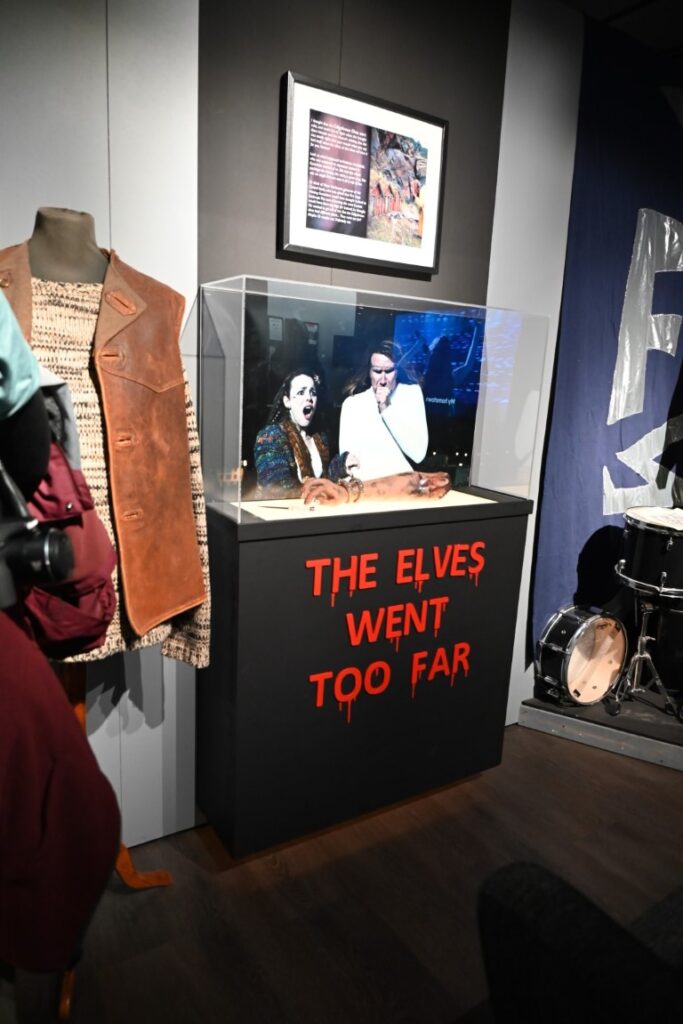
Leaving the museum much more knowledgeable, and slightly sadder, than when we entered, we set our sights on the much more cheerful Eurovision Museum. Officially opened in late 2021, the museum tells the story of Eurovision in Iceland and its many successful contestants. Going further in, the museum shifts its focus from the actual Eurovision to the making of the movie Eurovision Song Contest: The Story of Fire Saga. References to the film, including the cast’s costumes and props, highlight the influence the movie had on the town’s tourism. After having a quick beer at the “Jaja Ding Dong” bar (sadly not the actual bar, as that was built just for the movie), we continued walking around the harbourfront.
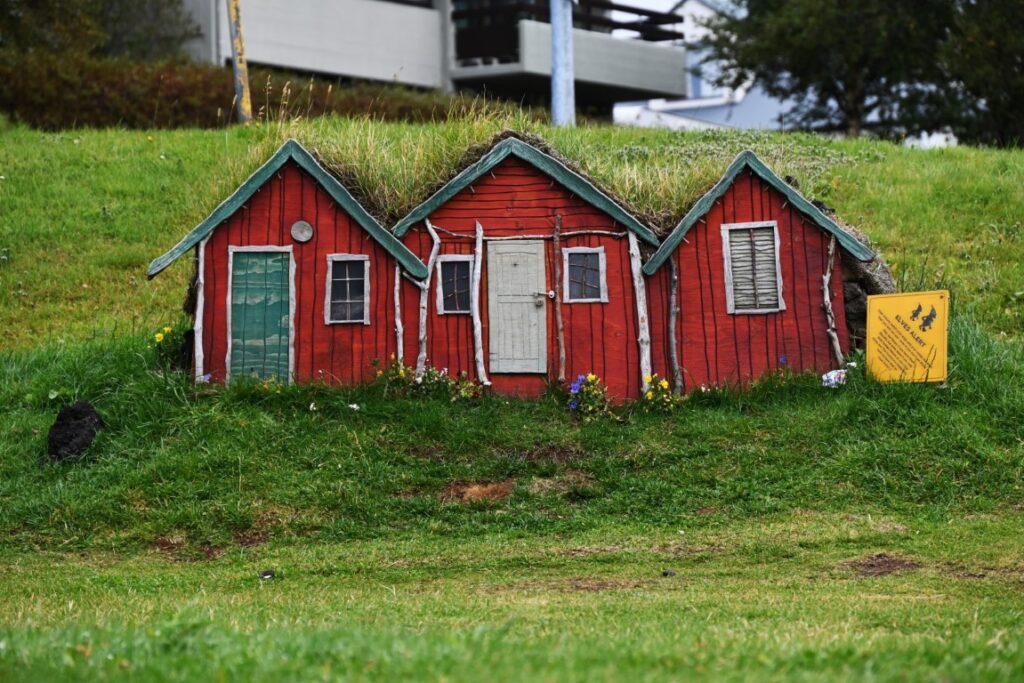
We could have spent the day in Húsavík, but with the weather worsening and several more stops planned, we decided to head back down Highway 85, turning east onto the Ring Road and continuing to the largest town outside the capital region, Akureyri.
Akureyri
Once back on the Ring Road, it is not long before you reach the 7.5-kilometer Vaðlaheiði Tunnel. We were lucky to be warned about the tunnel’s 2,152 ISK toll beforehand, which needs to be paid online (here: https://www.veggjald.is/en) up to 24 hours before or after you’ve gone through it. Driving through the tunnel was a nice break from the wind, which was steadily picking up as the day went on.
Exiting the tunnel’s west end, you quickly come into full view of Akureyri, its harbour, and the mountains it is nestled under. A cruise ship docked along the downtown gave a brief false impression of what the weather might be like, but this was no southern destination. As we turned across the causeway heading into the town center, we caught our first glimpse of snow falling in the surrounding mountains. Despite this, we stuck with our intention to camp that night closer to the East Fjords, and so we made a quick stop at the grocery store Hagkaup, where we resupplied with snacks, meals, and beer before continuing on.
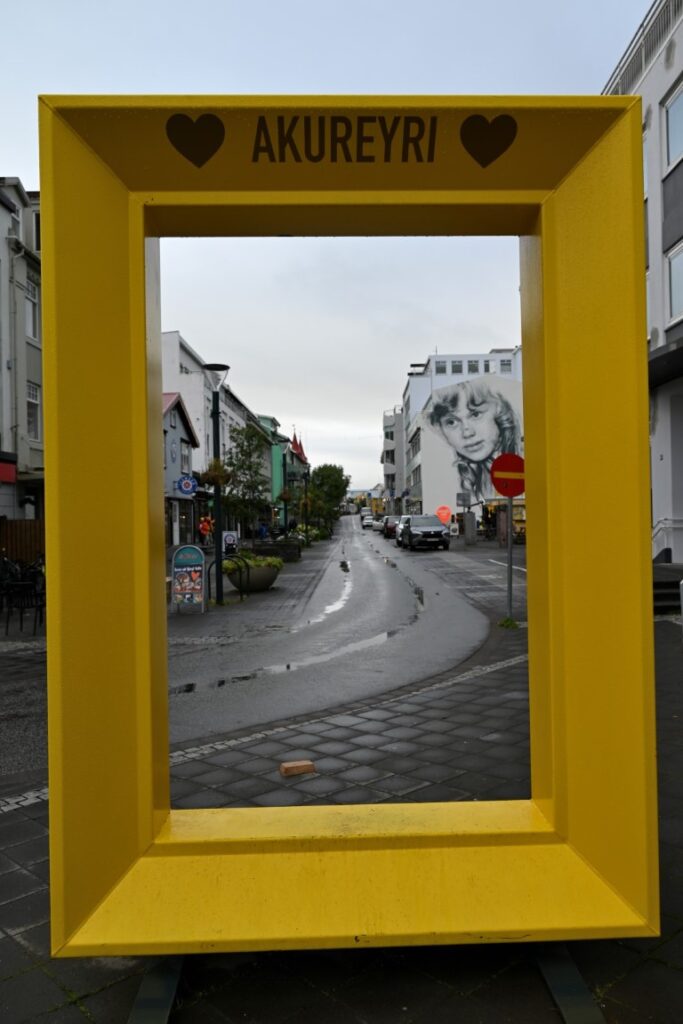
Despite the fresh supply of food, I think we all began to have doubts about how our night would play out. As we were all getting quite hungry, we drove into Ráðhústorg, or City Hall Square, located in the heart of the town’s restaurant, café, and bar district. Like many towns in Iceland, Akureyri’s architecture is functional in design, with strong similarities to other Nordic countries. Along the historic rows of houses and commercial buildings are many tourist attractions and craft shops, which on this cold, windy day were quiet.
We grabbed a couple of burgers to go from Taste, the highly recommended burger joint, before finding a (paid) washroom at the Akureyri Public Park and Botanic Gardens. Refreshed and no longer hungry, we continued east on the Ring Road.
Öxnadalsheiði Mountain Pass
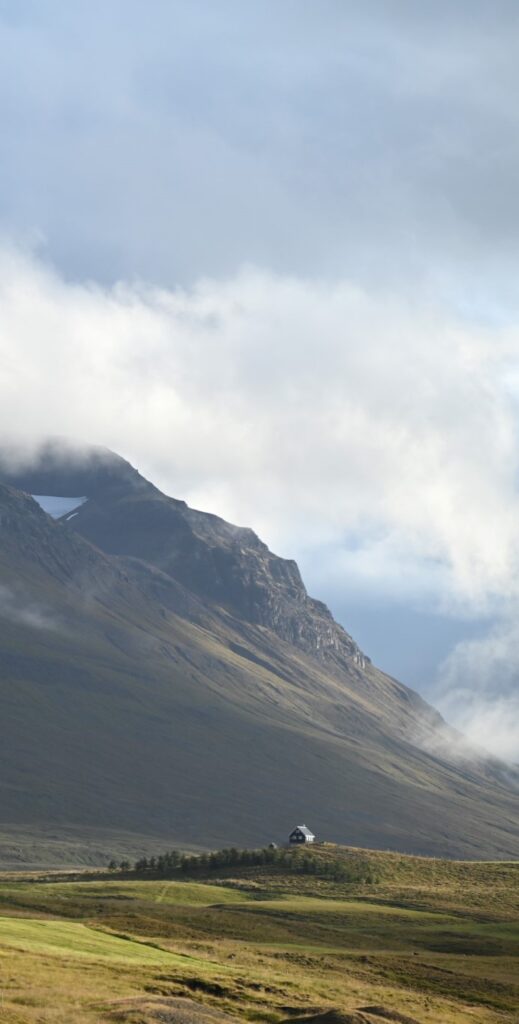
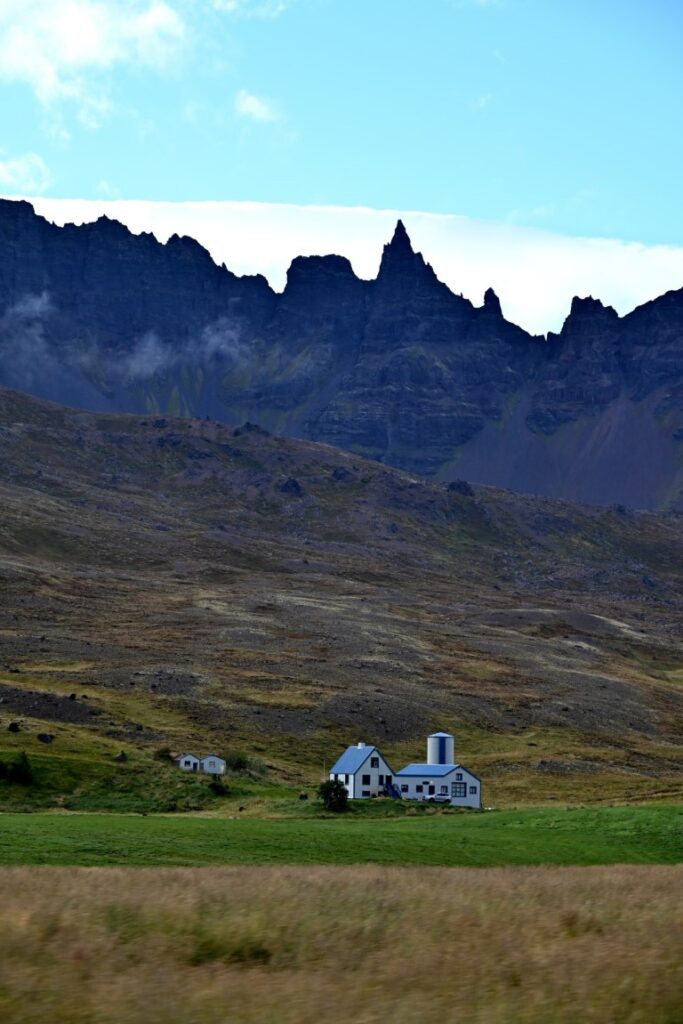
Leaving the oceanside town of Akureyri, the Ring Road passes through the Öxnadalsheiði Mountain Pass. This beautiful paved road begins by following a glacially carved valley before climbing to an elevation of 540 meters, then descending via a number of switchbacks and steep hills into the Skagafjörður valley. As we drove, the moody clouds and bands of snow periodically opened up, allowing the setting sun to cast light onto the sharp jagged peaks and hanging valleys towering over the valley floor. As we reached the end of the valley, the elevation climbed and very quickly we found ourselves driving through snow squalls.
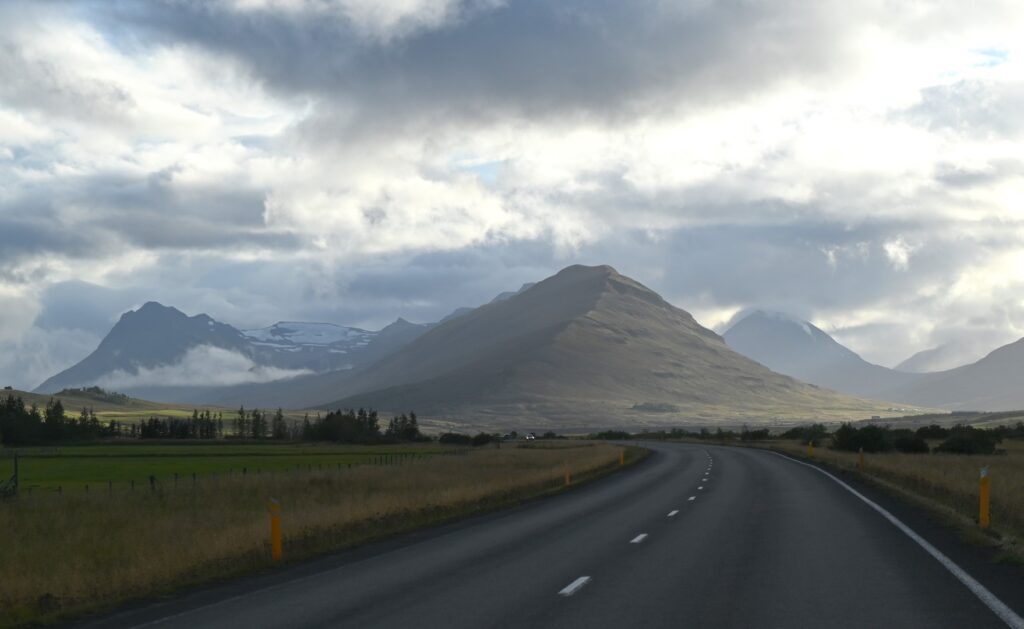
As we descended into the Skagafjörður valley, where the road skips from valley to valley, passing through flat barren terrain and small fishing villages, it did not take long before we decided to find indoor accommodations for the night. This was partly due to the frigid temperatures, but even more so because of the snow and wind warnings in the surrounding regions.
Hotel Hvitserkur (Boarding School Inn)
The accommodation we found for the night could not have been better. Hótel Hvítserkur is a former boarding school turned hotel, where the old dorm rooms have been converted into guest rooms with shared bathrooms and the former gymnasium renovated into a lounge, bar, and dining area. By the time we arrived, the combination of howling wind and driving snow quickly reaffirmed our choice to stay inside. After settling in, we made our way to the bar where we had a great conversation with one of the owners, who told us the story of how they came to run it.
As the story goes, in the mid-nineteenth century, Iceland’s education system was reformed, with the first boarding schools opening later in the century. Kids from rural areas would travel to and live at these schools for the year. One of these schools was eventually located here in Hvammstangi. As the island and its rural communities became more connected, so too did the ability for students to travel further distances and still return home. As a result, the school closed sometime in the second half of the twentieth century before being purchased and transformed into a hotel. The current owners arrived from Germany in 2018 and took over the hotel, happily running the unique accommodation since then.
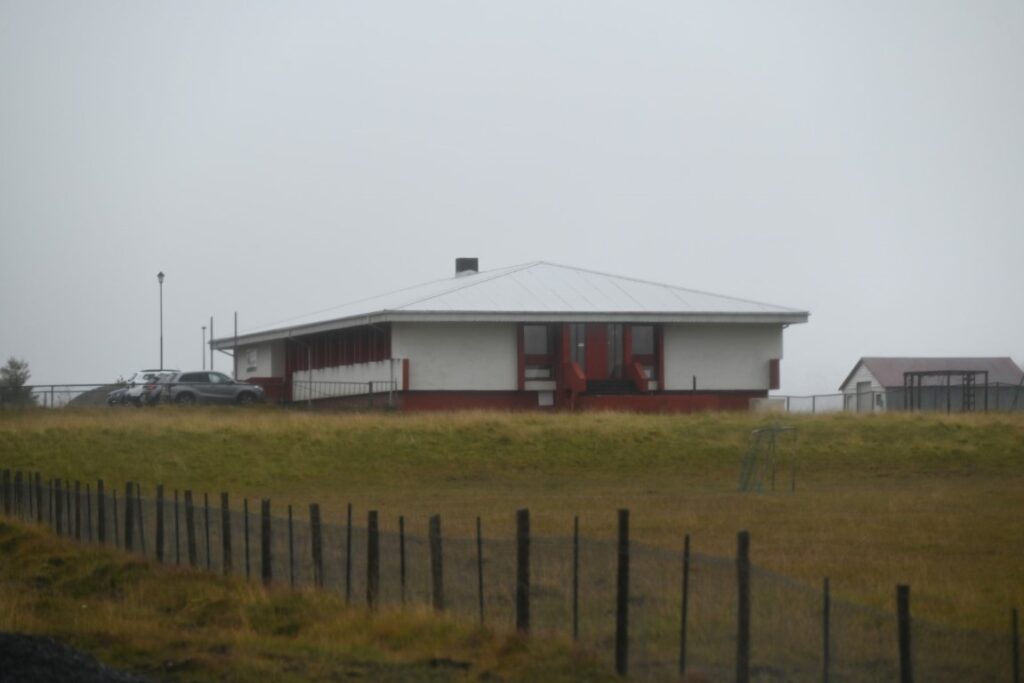
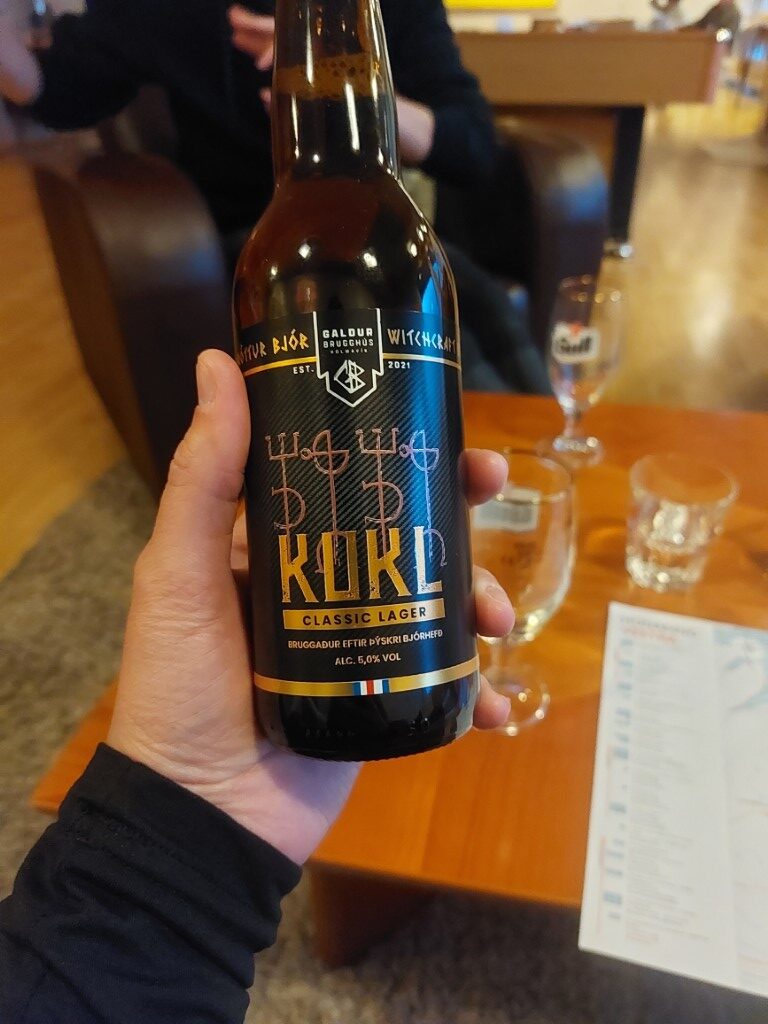
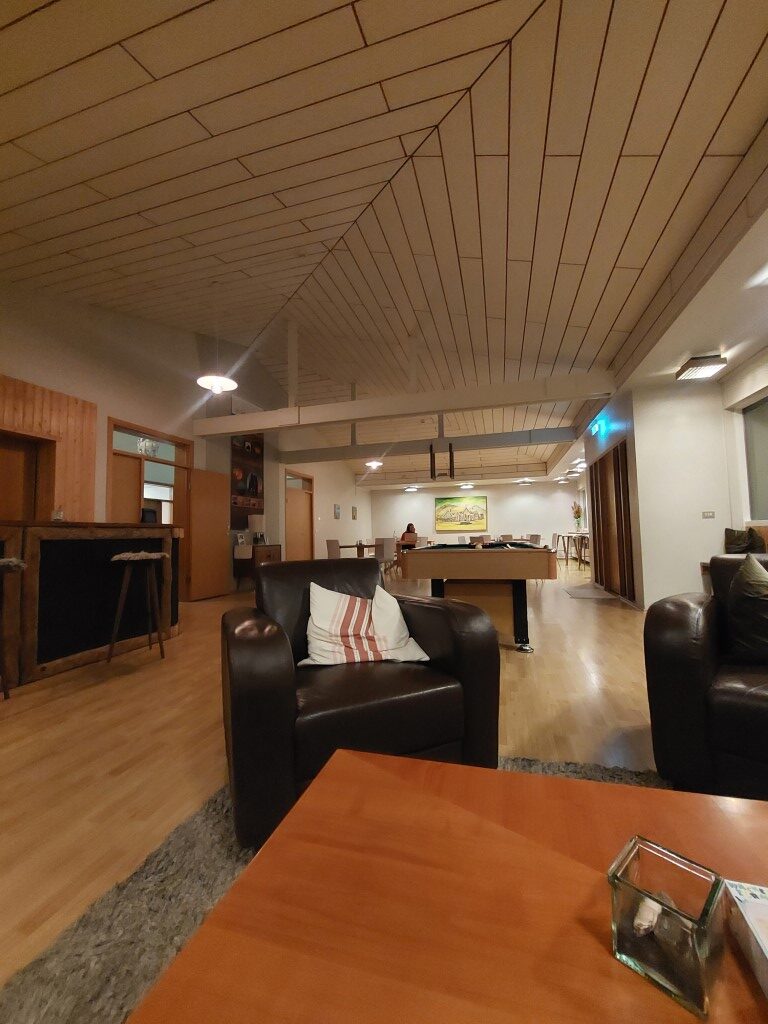
As a bonus, the bar serves craft beer from the nearby Galdur Brugghús, sometimes referred to as the Witchcraft Brewery, which we hoped to visit the next day.