
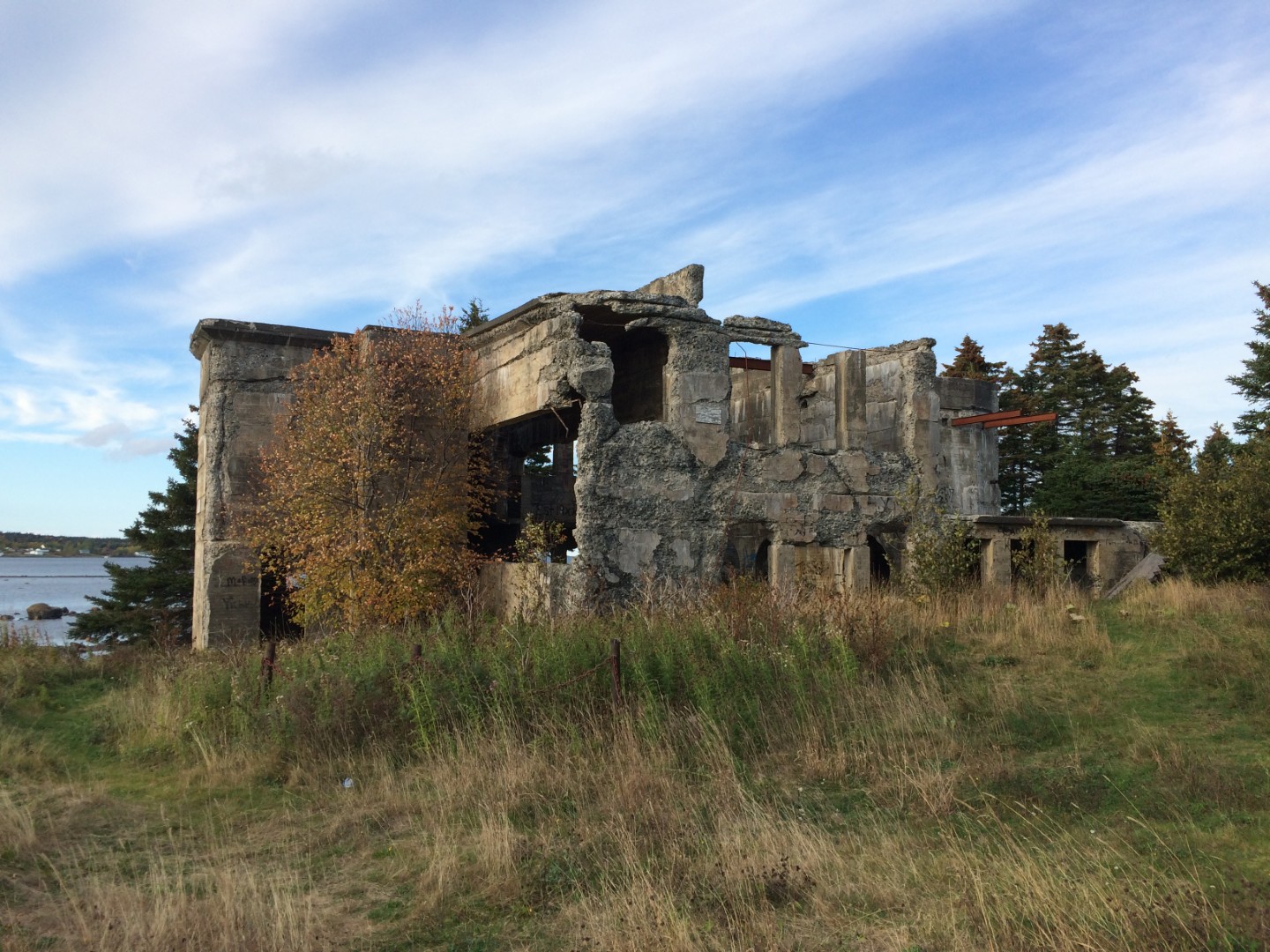
In Central Newfoundland, along the shores of Notre Dame Bay, are the remains of the former Horwood Lumber Company pulp mill and its adjacent hydropower station. Having operated for only a short period in the early 1910s, the castle-like ruins overlooking Indian Arm are now a relic of a failed attempt to recreate the success of the nearby Grand Falls Pulp and Paper Mill and to establish Campbellton as a new economic hub in the region. This vision never came to fruition after the dam supplying the mill’s power failed, washing trees and even several buildings out into the harbour. Today, the powerhouse, wood grinders, concrete penstocks, and dam remain visible.
William Frederick Horwood
William Frederick Horwood was born in Carbonear in 1856. After spending time working in a plaster mill in New Brunswick, Horwood returned to Newfoundland, where he established one of the island’s first steam-powered sawmills at Clarke’s Beach on Conception Bay. Ten years later, Horwood partnered with his younger brother, Reuben Francis Horwood, and in 1893 they became part owners of the Campbell Lumber Company. The year prior, a great fire swept through St. John’s, creating a substantial demand for timber to rebuild the city. The company developed a mill in the town of Terra Nova, acquiring timber leases in the area as well as a large tract of land along Notre Dame Bay, particularly in Campbellton and Dog Bay (later renamed Horwood). The Terra Nova mill did not operate for long and shut down around 1902. The Horwood’s remained motivated, however, and soon established two new steam-powered sawmills in Campbellton and Horwood under their newly incorporated firm, the Horwood Lumber Company.
The opening of the Grand Falls Pulp and Paper Mill in 1909 marked a turning point for the forestry industry in Newfoundland. Not only was the mill far larger than any other in the province, but its focus on pulp production rather than timber or lumber quickly made it successful. Newfoundland’s forests proved ideal for pulp production, and recognizing this, the Horwoods began planning the construction of a new mill at the mouth of Indian Arm Brook, across the harbour from their existing sawmill.
The site selected for the mill possessed all the requirements of a large logging operation. Situated on Indian Arm near the mouth of Indian Arm Brook, the mill could harness the river’s flow for power while maintaining access to shipping routes. In addition, nearby Lewisporte provided access to the Newfoundland Railway, allowing materials, equipment, and timber to be transported efficiently.
Construction began in 1911, with much of the mill and its accompanying hydropower system completed by the end of 1913. Welcomed by local residents who anticipated new employment and economic opportunities, the mill officially opened in 1914. Shortly thereafter, the first shipment of pulp was sent to market in New York State.
How it Worked
As with any mill, a reliable and sufficient power supply was essential. Approximately 400 metres upstream from the river’s mouth, a concrete dam measuring about 350 metres in length and 8 metres in height was constructed across Indian Arm Brook. Water was redirected to the east side of the dam, where it entered through a mechanical control gate before flowing 350 metres along an artificial channel excavated into the adjacent hillside and confined by several concrete retaining walls.
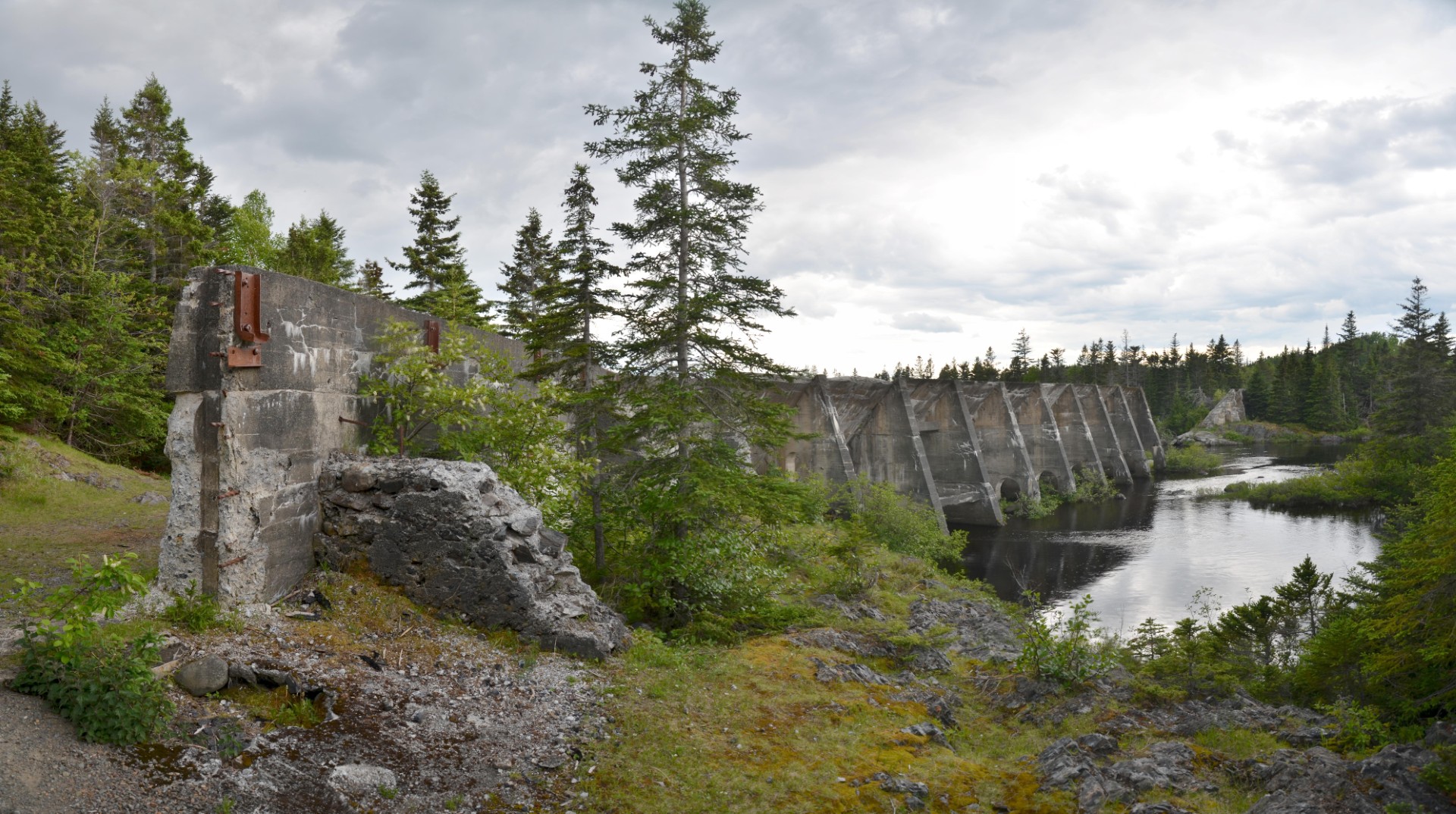
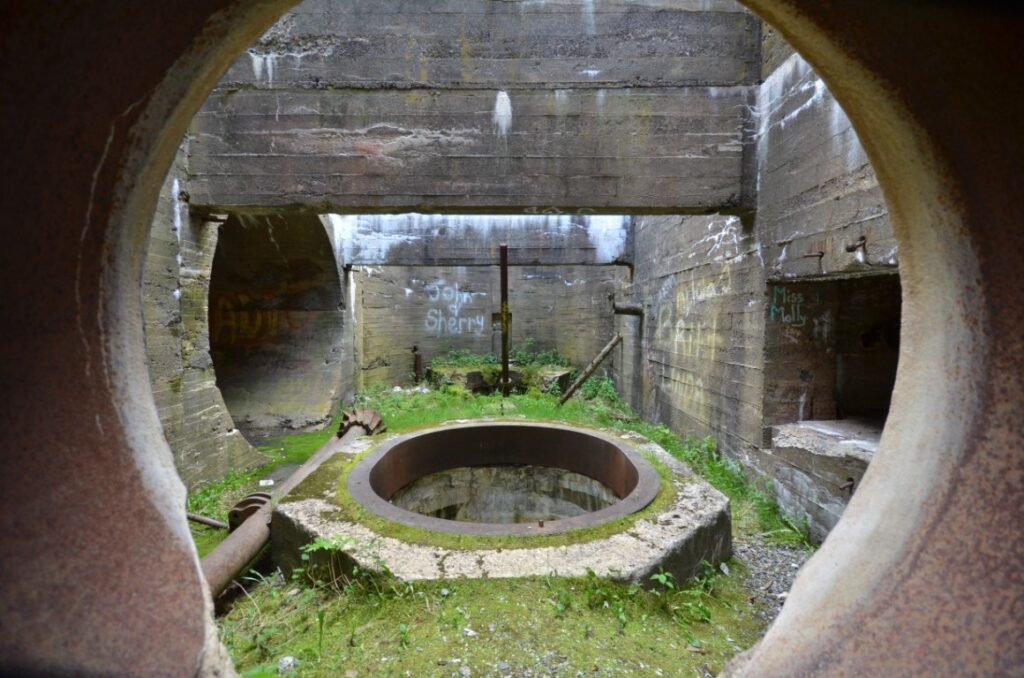
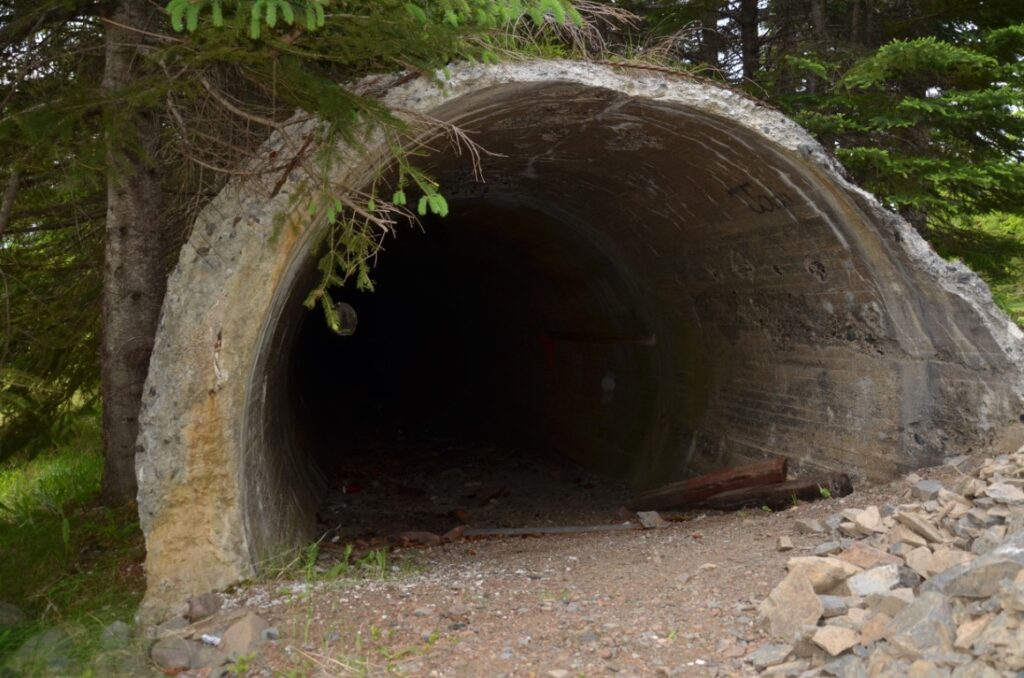
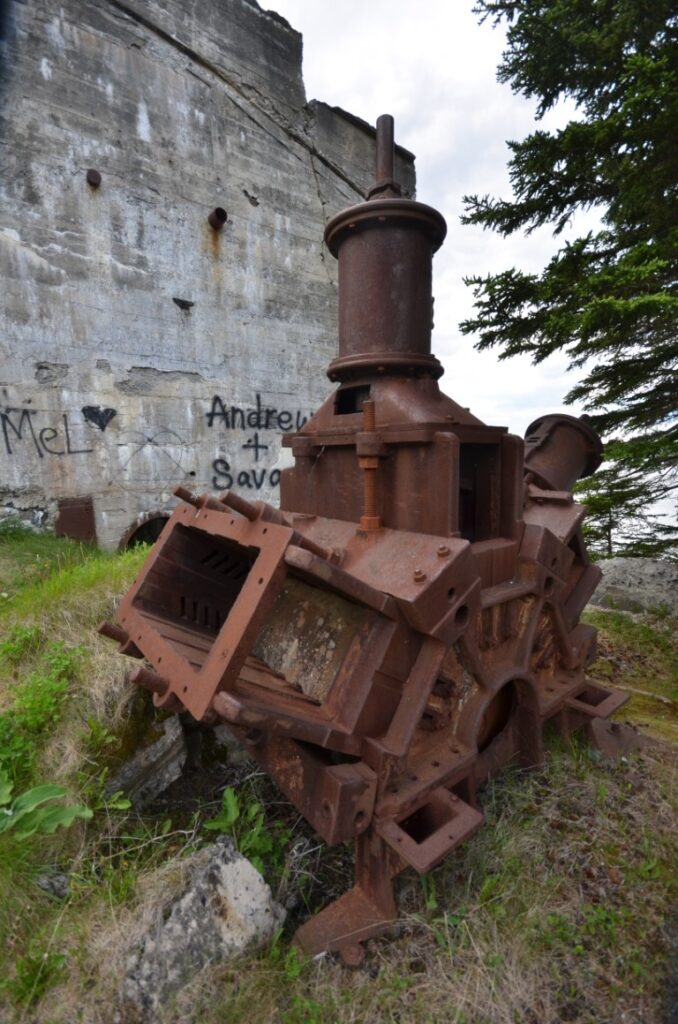
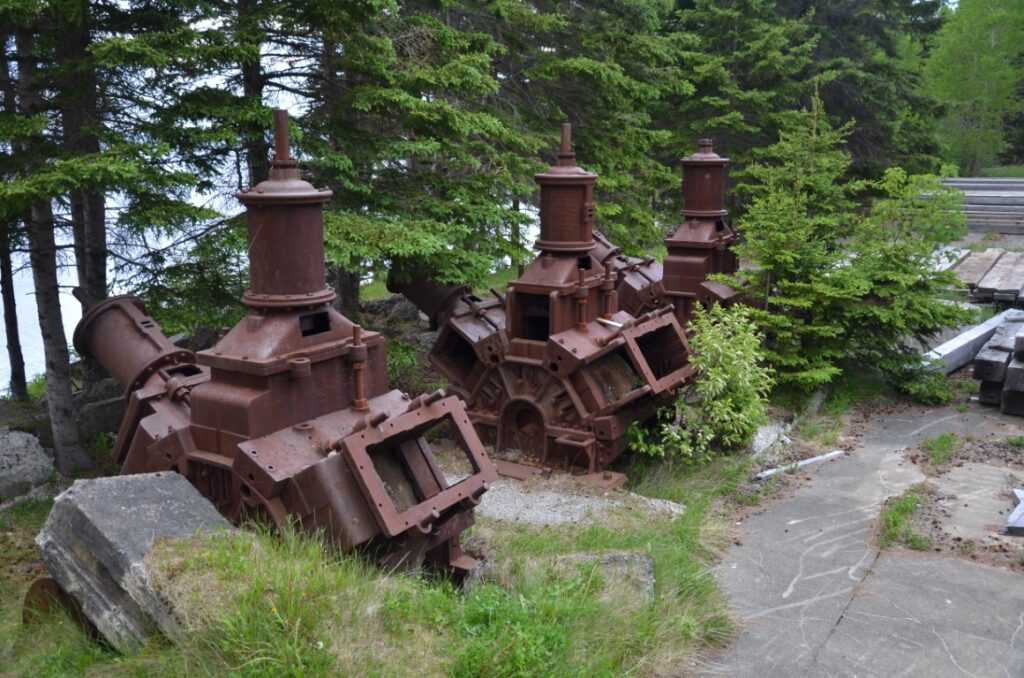
The channel was excavated using hand tools and explosives, an impressive undertaking for the period, as it measured approximately 5–6 metres wide and 5–7 metres deep. At its terminus was a forebay where water entered a 100-metre-long, 3-metre-wide steel and concrete penstock. The penstock carried water downhill to the powerhouse. This two-storey concrete structure, now the only remaining building on the site, once contained two turbines connected to a steel shaft that transferred power directly to three wood grinders housed in the adjacent wooden mill.
The mill itself was surrounded by a log yard where timber was stored before being fed into the grinders. These grinders crushed the wood into fine pulp, which was then loaded onto a small, purpose-built locomotive and transported to a nearby wharf. From there, the pulp was shipped aboard one of two vessels owned by the Horwoods, the Nancy Lee and the Percy Wells.
Disaster Strikes
The mill depended heavily on a constant water supply from its reservoir. After only one summer of operation, spring runoff caused a small breach in the dam in the spring of 1915. Repairs were carried out quickly, and the mill resumed operations later that summer. However, this initial breach foreshadowed more serious problems. In the spring of 1916, a much larger failure occurred, resulting in severe damage as floodwaters uprooted trees, carried debris downstream, and washed several small buildings into the harbour. The precise cause of the dam’s failure remains unknown, though it is speculated that the structure may not have been properly secured to the underlying bedrock and that cracks may have developed beneath the dam during construction. These engineering shortcomings were compounded by unusually heavy spring runoff in 1915 and 1916.
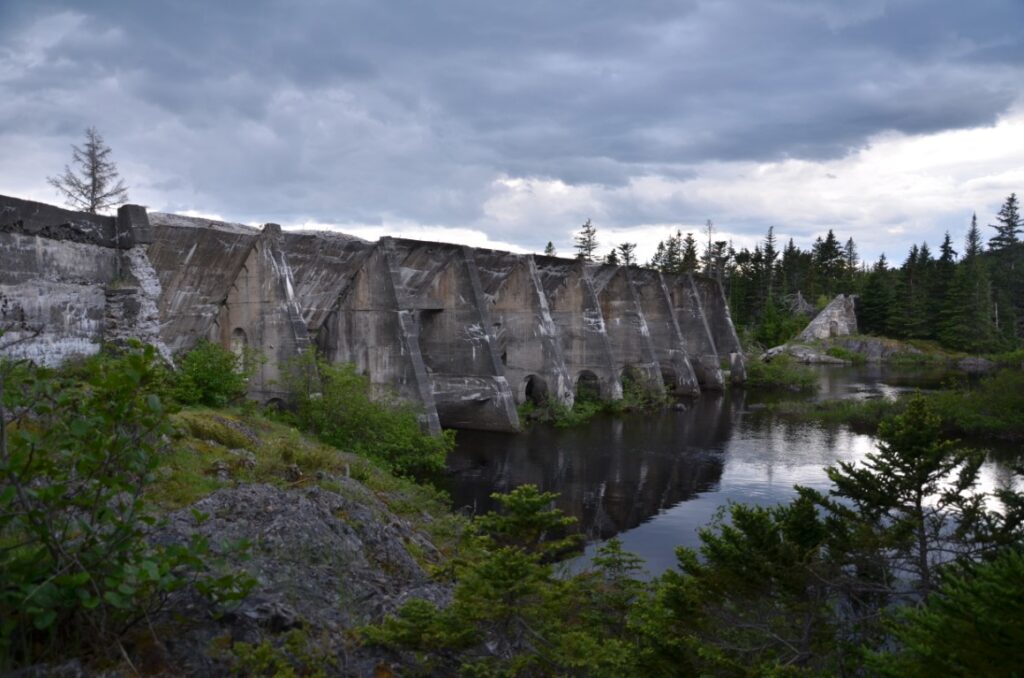
Although the company considered rebuilding the dam and restoring power to the mill, the demand for pulp and its market price had declined significantly. As a result, the Horwood Lumber Company permanently shut down its Campbellton operation. The company reportedly lost the equivalent of millions of dollars in damages paid to those affected, bringing William Frederick Horwood to the brink of bankruptcy. His handling of the aftermath, including assurances that workers would be paid and damages covered, earned him considerable praise. Nevertheless, while Horwood continued to focus on his sawmilling operations, it is believed that he never fully recovered financially. Despite this, his name became synonymous with Newfoundland’s forestry industry and remains permanently memorialized in the town of Horwood.
About the Area
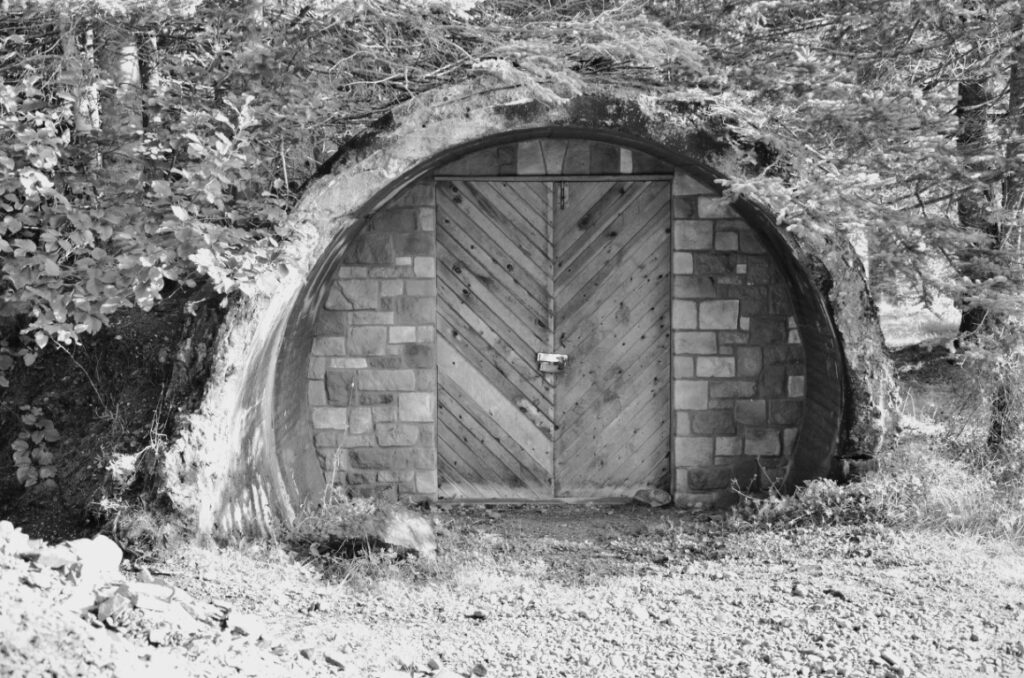
The area today offers an excellent opportunity for exploration. Near the coast, the powerhouse contains many large, accessible rooms; however, the more than 100-year-old concrete is heavily eroded, creating a significant risk of falling debris. As with exploring any historic structure, wearing a helmet is strongly recommended. Approximately three-quarters of the former penstock can be explored, although the section closest to the intake is sealed off. On the opposite side of the road, a small dirt road leads to a parking area. From there, a trail runs alongside the former channel, passing several fishing camps before continuing to the remains of the old dam.
The mill is located immediately off Route 340 in the centre of Campbellton. A dirt road on the south side of the highway leads to the trailhead (N 49.278088, W 54.921148) for a 300-metre-long trail to the dam, which follows the route of the former intake channel.
Mill: N 49.279191, W 54.922356
Dam: N 49.276088, W 54.922274
Conclusion
In the article “The Sawmill Pioneers of Newfoundland“, published in The Book of Newfoundland, Volume 4, James R. Thoms suggests that had the dam not failed and the mill continued operating, its convenient location near shipping facilities, an advantage not shared by Grand Falls, might have allowed it to become one of the largest and most productive mills on the island. Whatever the outcome might have been, the shoreline ruins now stand as a local landmark and a reminder of a transformative period in Newfoundland’s forestry sector.
Sources
Hiller, J. (1982). The Origins of the Pulp and Paper Industry in Newfoundland. Acadiensis, 11(2), 42–68. Found at https://www.erudit.org/en/journals/acadiensis/1982-v11-n2-acadiensis_11_2/acad11_2art03.pdf.
Manuel, W. & McFarlane, M. (1979). The Campbellton Pulp Venture: Its Technological History. Memorial University graduate thesis. Retrieved from Memorial University’s Center for Newfoundland Studies.
Smallwood, J. R., & Pitt, R. D. W. (1981). Encyclopedia of Newfoundland and Labrador. St. John’s, N.L.: Newfoundland Book Publishers. (Article: “Campbellton”. Available online through the Centre for Newfoundland Studies collections database).
Smallwood, J. R., & Pitt, R. D. W. (1981). Encyclopedia of Newfoundland and Labrador. St. John’s, N.L.: Newfoundland Book Publishers. (Article: “Lumber Company, Horwood”. Available online through the Centre for Newfoundland Studies collections database).
Thoms, J. R. (1967). The sawmill pioneers of Newfoundland. In J. R. Smallwood (Ed.), The Book of Newfoundland (Vol. 4). St. John’s, NL: Newfoundland Book Publishers (1967) Ltd.