
The history of Harbour Grace contains many compelling stories filled with pirates, English–French warfare, and tales of the North Atlantic fishery. This close connection to Newfoundland’s immigration and maritime history is reflected in the town’s architecture, museums, and culture. Surrounded by rugged barrens, rolling hills, and steep coastlines, the town is not a place one would typically associate with aviation memorials. However, throughout the 1920s and 1930s, air travel was still a relatively new innovation, with airline companies and pilots continuing to push the limits of distance and endurance.
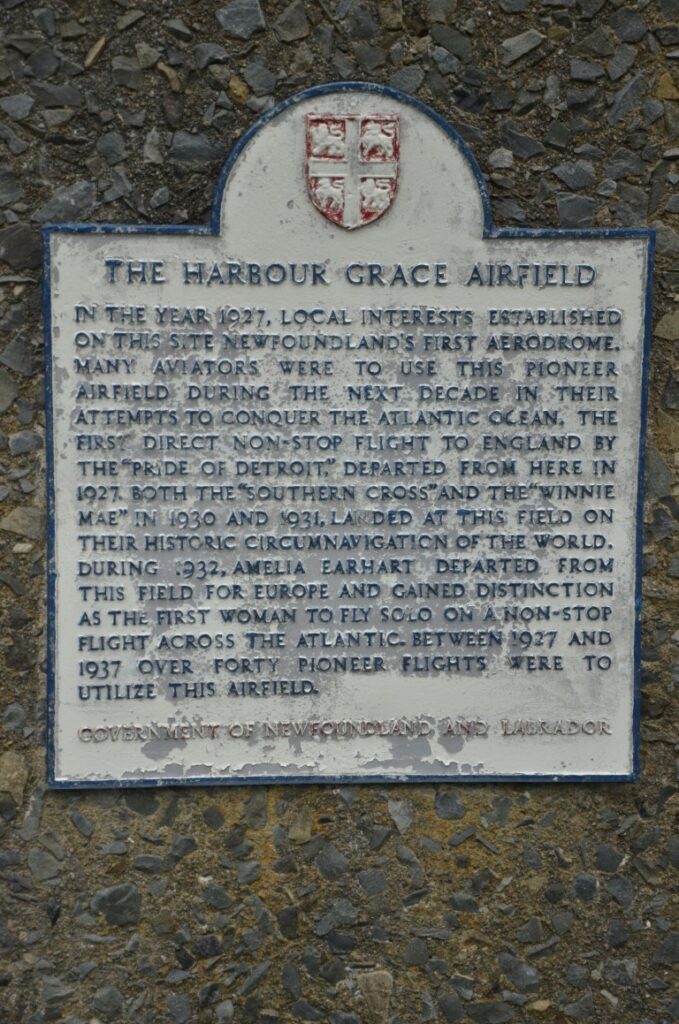
During this period, Harbour Grace remained a major population centre in Newfoundland, and due to its proximity to the western edge of the Atlantic Ocean, the town was selected as a refuelling and departure point for transatlantic flights. Subsequently, an airfield was constructed on a hillside overlooking the town, which became the first civilian airport in North America.
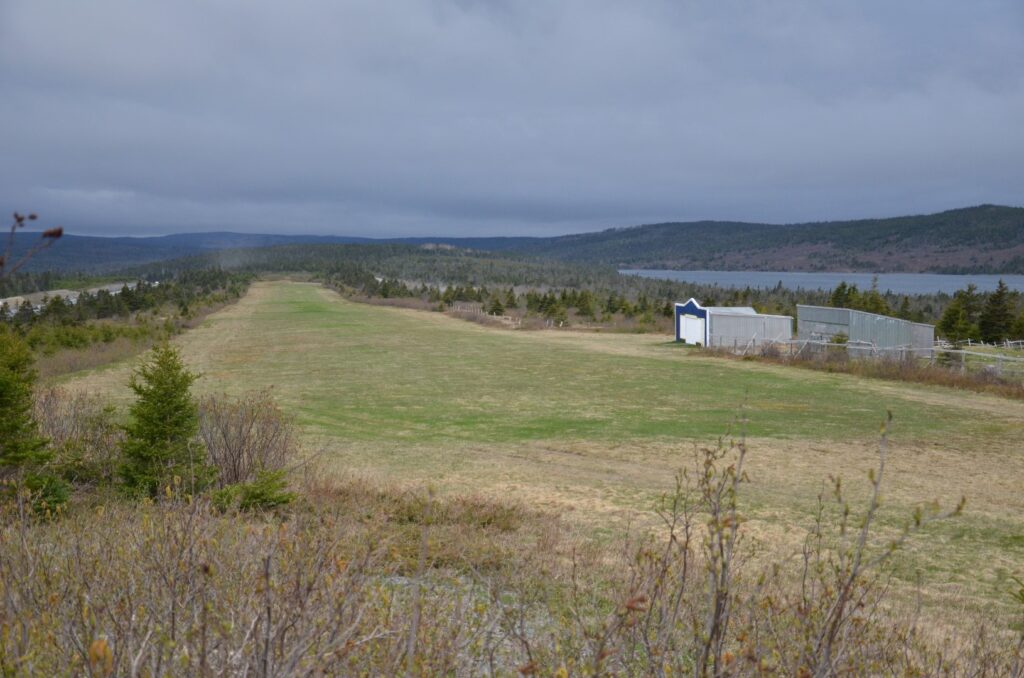
In 1927, Fred Koehler began searching the east coast of Newfoundland for a suitable location to construct an airfield capable of supporting pilots and aircraft crossing the Atlantic. Koehler was a representative of the Stinson Aircraft Corporation and Waco Oil, based in Detroit, Michigan, and sought new ways to encourage long-distance air travel. During a visit to Harbour Grace, Koehler met a local resident, John Oke, who showed him the parcel of land where the airstrip is located today.
The proposal for an airfield in Harbour Grace received broad support. On July 25, 1927, a meeting was held at the town hall that led to the formation of the Harbour Grace Airport Trust Company. The company’s governing committee consisted of 21 members, each of whom invested money on a “non-profit, no-interest basis” to support the airfield’s construction. The Newfoundland Government also recognized the colony’s potential role in transatlantic aviation and contributed an additional $14,500 toward construction costs and required machinery.
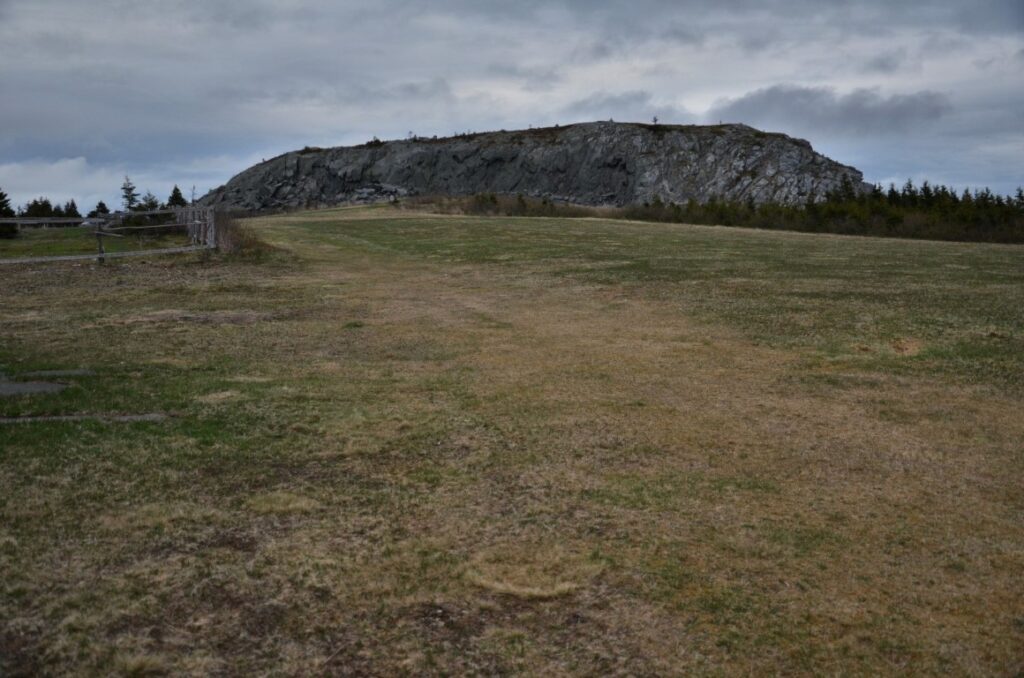
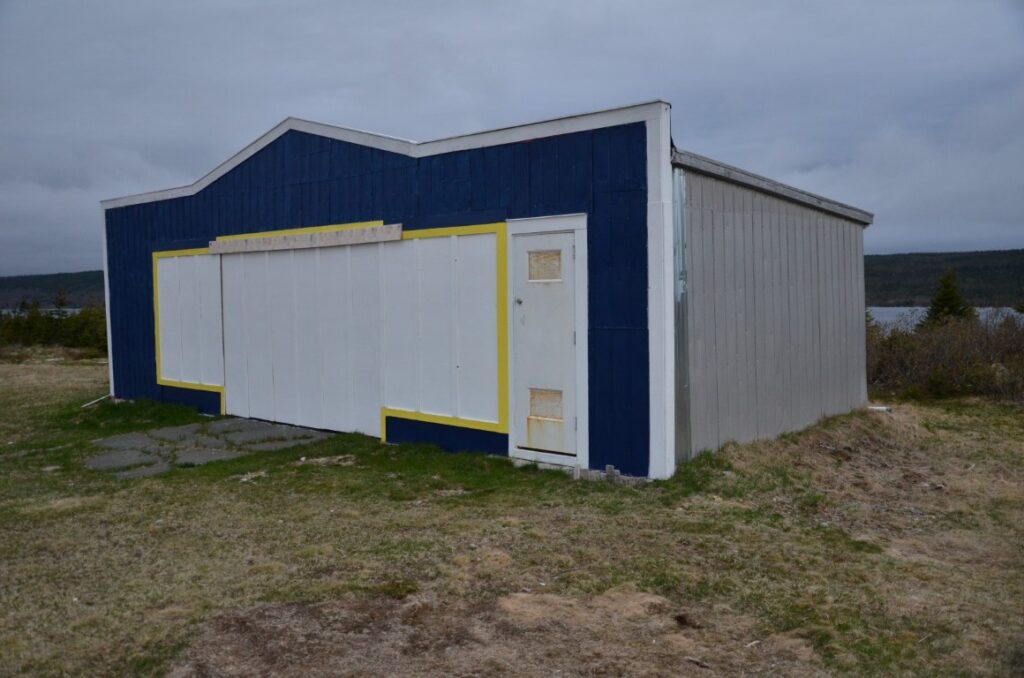
Construction was a community-led effort, with many residents assisting in the work, which was completed in August 1927. The airfield featured a gravel runway measuring 1,200 metres long and 60 metres wide and was considered exceptional for its time, earning international recognition.

First Flight
On August 26, 1927, Edward F. Schlee and William S. Brock departed from Maine in a small monoplane named Pride of Detroit. The following day, they made the airfield’s inaugural landing, hoping to continue their journey around the globe. Unfortunately, their trip was later cut short after they experienced engine trouble several weeks later.
Amelia Earhart
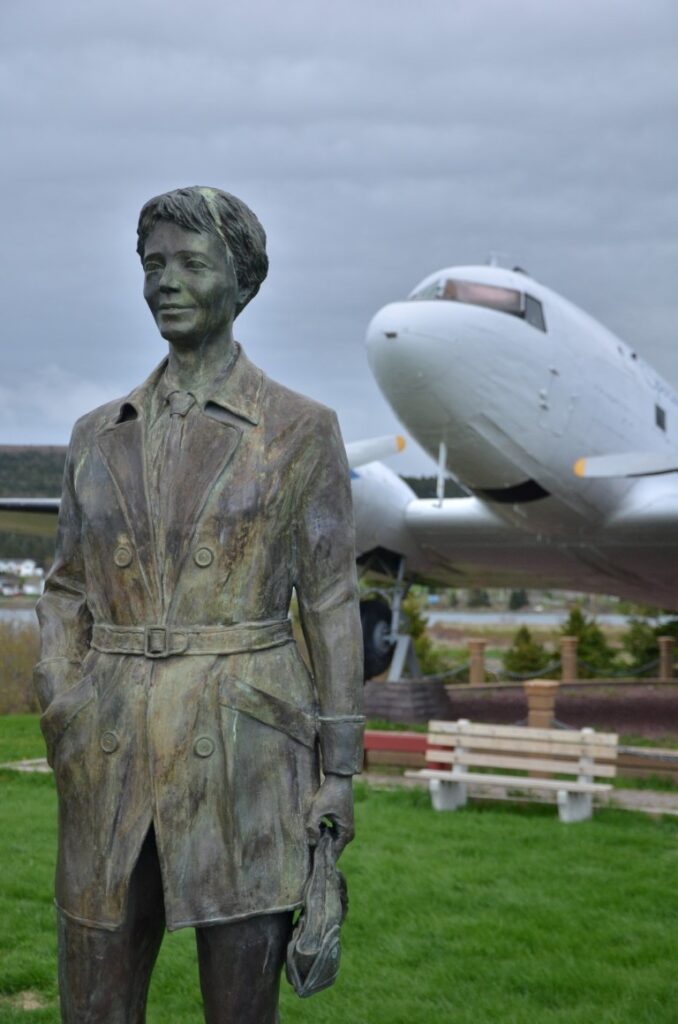
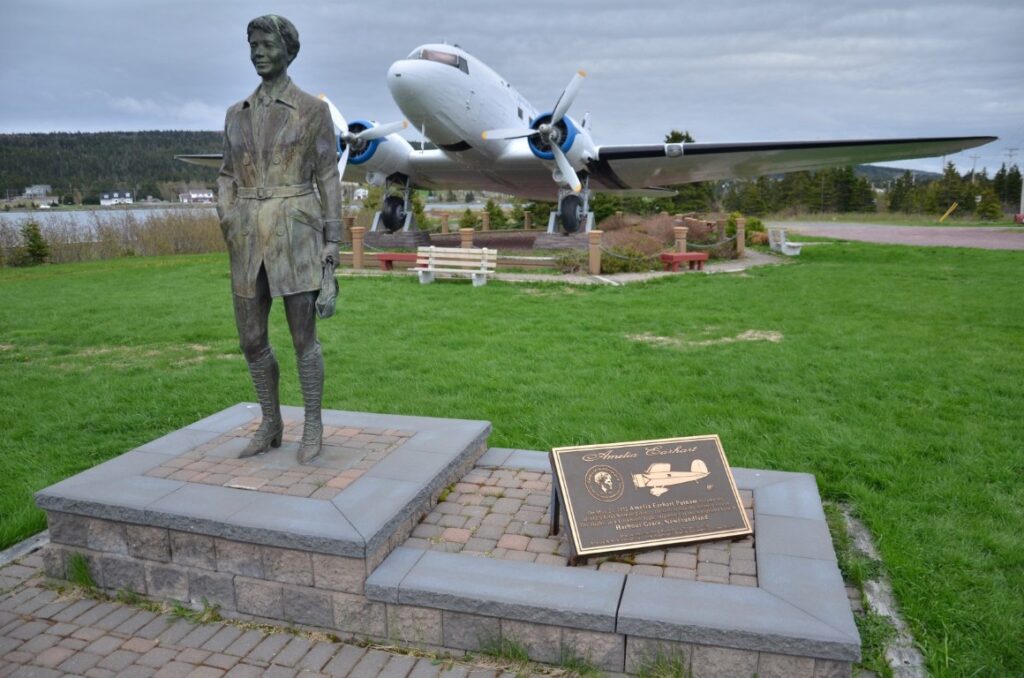
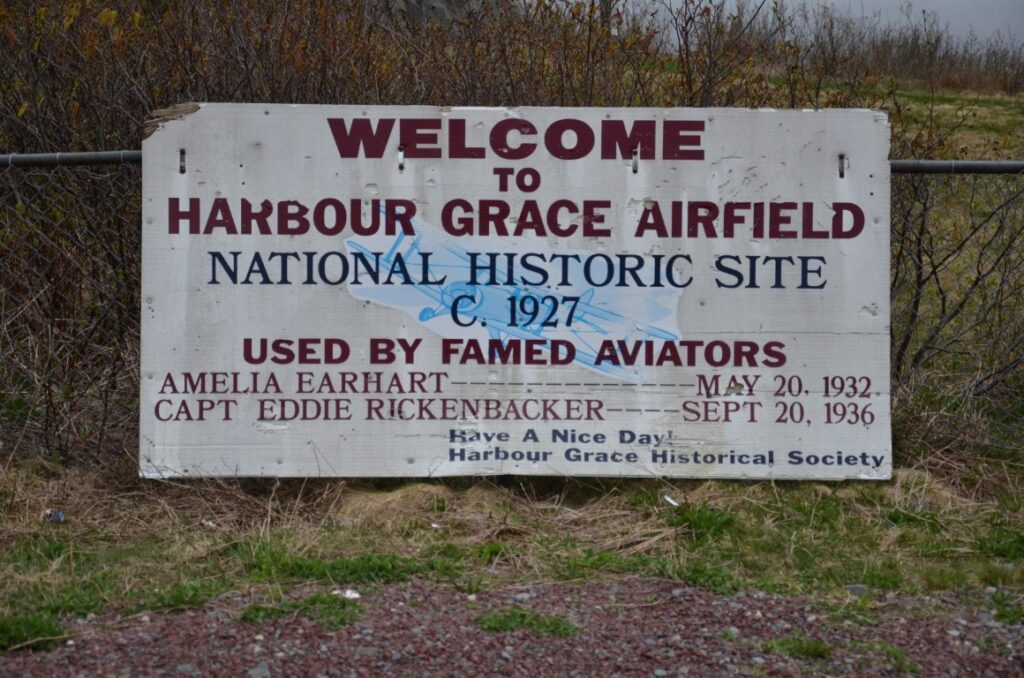
Many notable pilots passed through Harbour Grace during its years of operation, but none more famous than aviation pioneer Amelia Earhart. After landing at the airfield, Earhart departed from Harbour Grace on her first solo flight across the Atlantic Ocean. On May 20, 1932, she took off in her Lockheed Vega and flew for 14 hours and 56 minutes before landing in Culmore, Ireland, becoming the first woman to fly solo across the Atlantic. Earhart later became an enduring symbol of equality, and her piloting and navigational skills are memorialized through her many accomplishments. On the waterfront of Harbour Grace, a statue of this historic figure stands alongside a plaque explaining the remarkable feat that began there.
The End
The Harbour Grace Airport operated successfully for nine years before closing on October 29, 1936. During its operation, 11 of the 20 flights that departed the airfield in attempts to cross the Atlantic were successful. Air travel was still in its infancy at the time, and while many attempts failed—due either to mechanical problems or, more tragically, disaster—each flight contributed to the development of the safe and reliable aircraft used today.
During the Second World War, the Royal Canadian Navy restored the airfield as an operational base for military aircraft tasked with tracking German U-boats over the Atlantic. Although it was not as influential as other military bases established in the province, it is believed that at least one aircraft stationed there played a role in sinking an enemy U-boat. Following the war, the airfield was once again abandoned.
About the Area
In 1977, thanks to the efforts of the Harbour Grace Historical Society, the airfield was restored to operating condition and its history formally recognized through plaques and interpretive signage. On November 4, 1999, the airfield was assigned the official international identifier CHG2 and listed as a usable and active site in the Canadian Flight Supplement. Today, many visitors may find it difficult to imagine the role this inconspicuous grassy field played in aviation history, yet it was here that the limits of long-distance flight were first pushed.
Sources & Further Exploring
Smallwood, J. R., & Pitt, R. D. W. (1981). Encyclopedia of Newfoundland and Labrador. St. John’s, N.L.: Newfoundland Book Publishers. (Articles: “Harbour Grace” & “Airfields”. Available online through the Centre for Newfoundland Studies collections database)
Find out more about the location and story of the airfield on the Town of Harbour Grace’s Website found at http://www.hrgrace.ca/site/history/.