
Ontario, Canada
Exploring beyond Canada’s most populated province to uncover its hidden histories, forgotten places, and remarkable natural wonders.
Ontario is a province whose history and geography have played a defining role in shaping the Canada we know today. From the vast freshwater shorelines of the Great Lakes to the rugged landscapes of the Canadian Shield and the expansive forests and waterways of the north, Ontario’s diverse geography has influenced how people have travelled, settled, and interacted with the land for thousands of years. Long before European arrival, Indigenous peoples established extensive communities, trade networks, and travel routes across the region, many of which would later influence the development of Canada’s earliest transportation corridors and settlements. With the arrival of European explorers, fur traders, and settlers, Ontario became an important centre of commerce, industry, and political development, eventually playing a central role in the formation of modern Canada. The remnants of this history can still be traced through its historic communities, abandoned settlements, industrial ruins, and natural landscapes
Today, Ontario is widely known for its sprawling cities, vast population, and iconic destinations, from the towering skyline of Toronto and the historic streets of Ottawa to the spectacular Niagara Falls and the picturesque shorelines of the Great Lakes. Yet beyond these familiar destinations lies a lesser-known Ontario, one whose history is filled with forgotten industries, abandoned communities, and remnants of ambitious projects that once promised to transform the province. Scattered across its landscape are abandoned mines, forgotten railway corridors, ruined mills, historic fortifications, and ghost towns, each offering a glimpse into the province’s changing economy and the people who once called these places home. Beyond its human history, Ontario is also home to an extraordinary geological landscape, where ancient rock formations, dramatic escarpments, deep river gorges, waterfalls, and extensive cave systems reveal a natural history stretching back billions of years.
While Ontario is Canada’s second-largest province, our travels have so far been largely confined to its southern reaches, where much of the province’s population and urban development are concentrated. Despite this, we have found that even within Ontario’s most populated regions, there is no shortage of remarkable places waiting to be discovered. From the remnants of early Canadian settlements and forgotten industrial ambitions to some of the country’s most impressive abandoned and lost places, Southern Ontario offers a fascinating opportunity to explore the history of Canada’s origins and the landscapes that helped shape its development. Interspersed among these historic sites are equally impressive natural wonders, many hidden within the river valleys, forests, and rugged shorelines that exist just beyond the province’s growing urban centres.
Although we have only begun to scratch the surface of this enormous province, our travels have continually revealed an Ontario that extends far beyond its bustling cities and well-known tourist destinations. We invite you to explore Ontario with us as we seek out its forgotten histories, surviving fragments of the past, and lesser-known natural wonders, uncovering the stories of a province whose influence on Canada’s history is as remarkable as the landscapes in which they unfolded.
Exploring Ontario
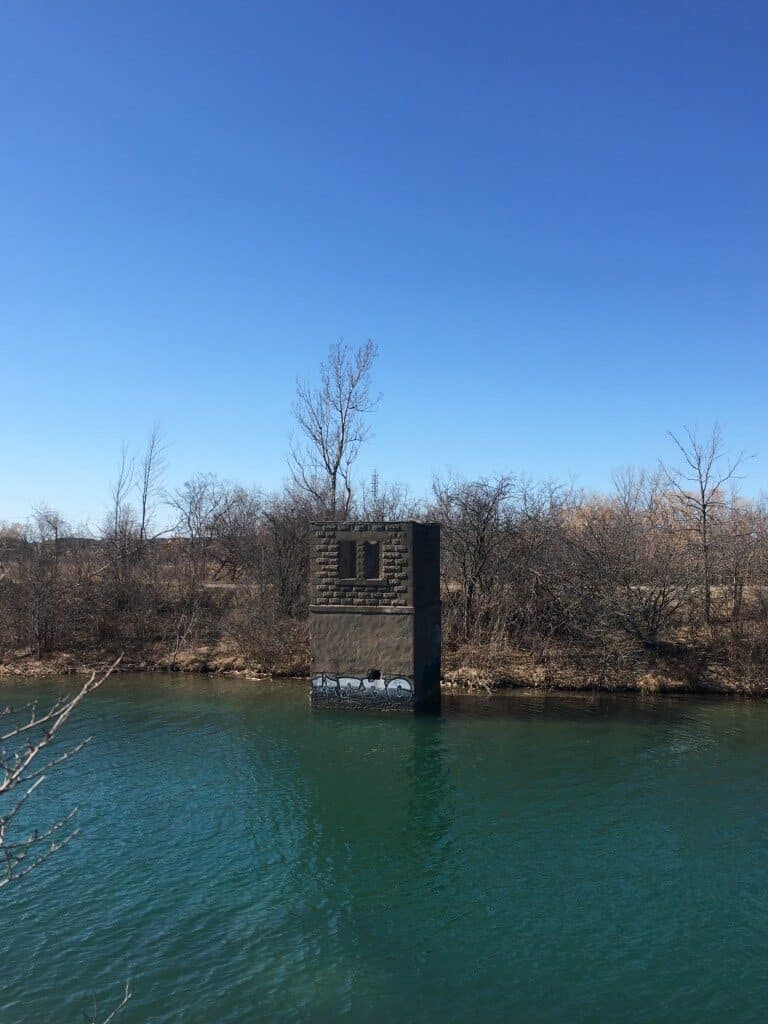
The Oxbow
A unique, 14 kilometer, downstream river paddle where at the end you are less than a kilometer from where you started.
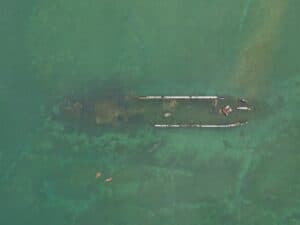
Shipwreck of the SS Steel Products
The wreck of the SS Steel Products, formerly known as the Venus, stands as a distinguished landmark on the shores of Lake Erie near Port Colborne, attracting local paddlers, swimmers, and snorkelers who can explore both the partially submerged steel hull above the water and the captivating remnants below the surface.
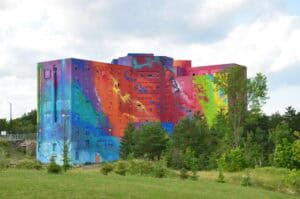
St. Joseph’s Health Centre
A unique solution to a deteriorated building has transformed an abandoned hospital into Canada’s largest mural.
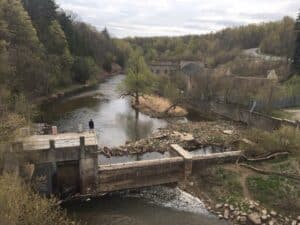
Barber Paper Mill
Nestled in Credit River Valley is a historic nineteenth-century collection of brick and limestone buildings that was once the heart of industry in the region but has since become a victim of demolition-by-neglect.
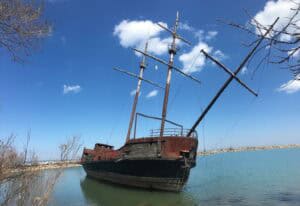
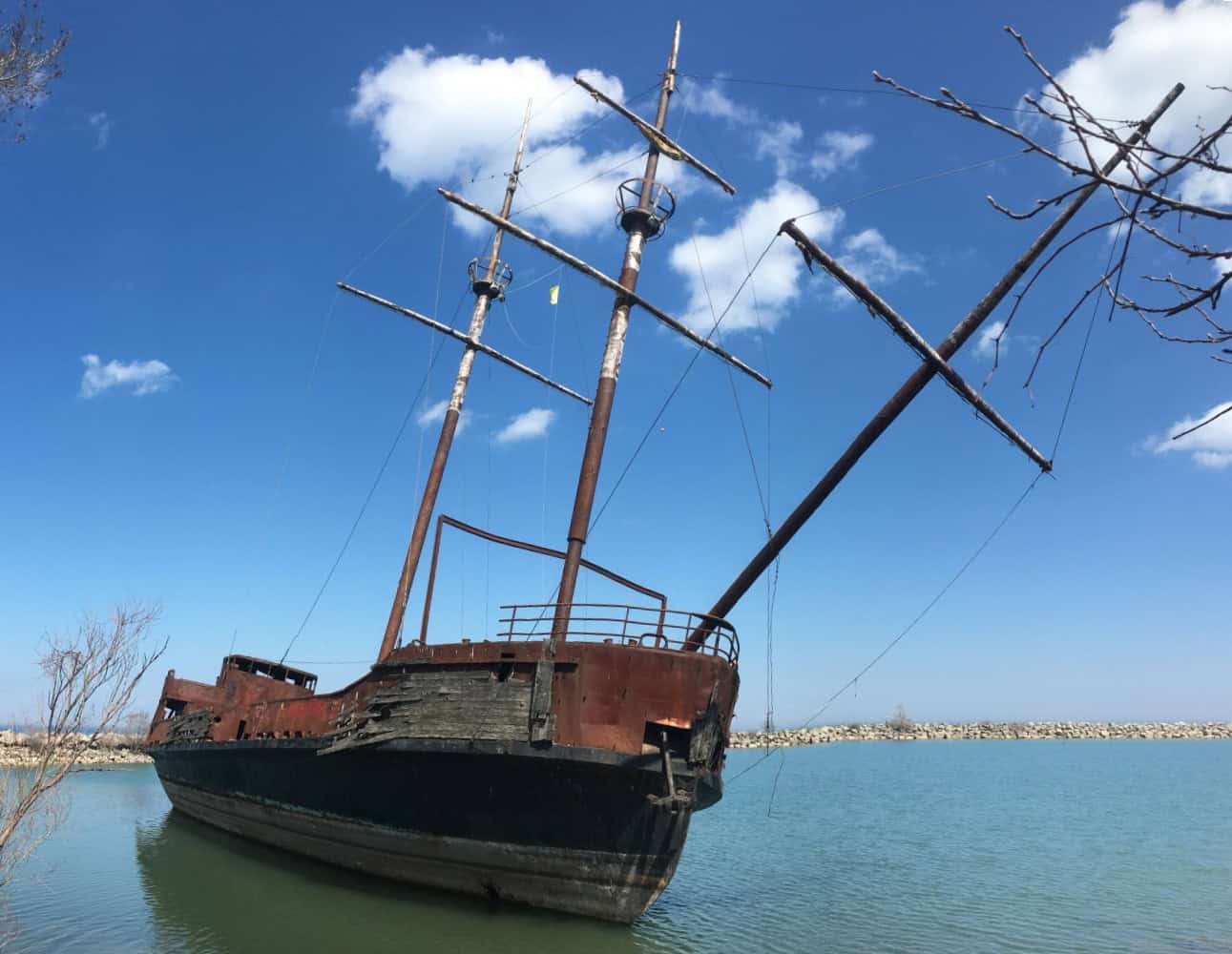
Grande Hermine
Uncover the enigma of the Grande Hermine—where tales of adventure, failed ventures, and the echoes of the past converge to create a truly unforgettable experience.
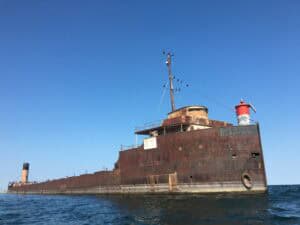
S.S. William E. Corey
The S.S. William E. Corey, once a renowned ship in the Great Lakes, found an unexpected second life as a breakwater at the mouth of Credit River.
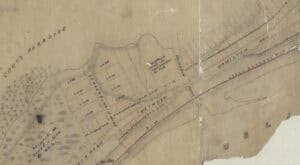
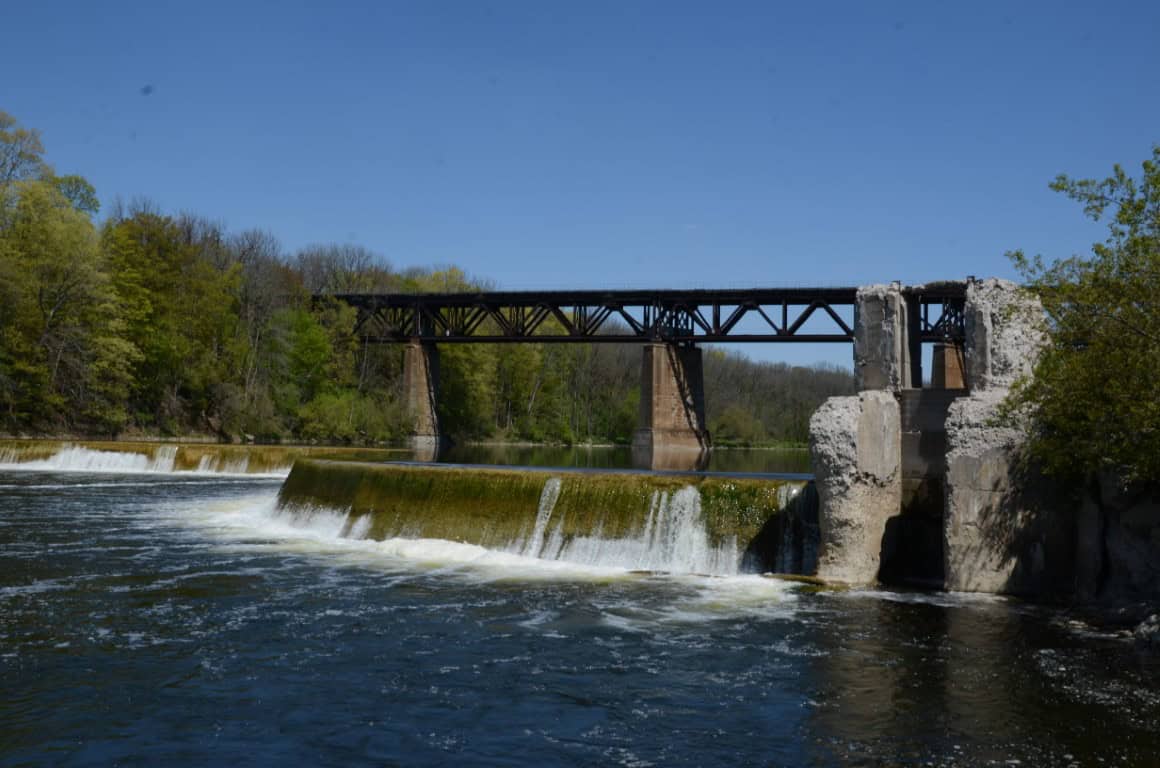
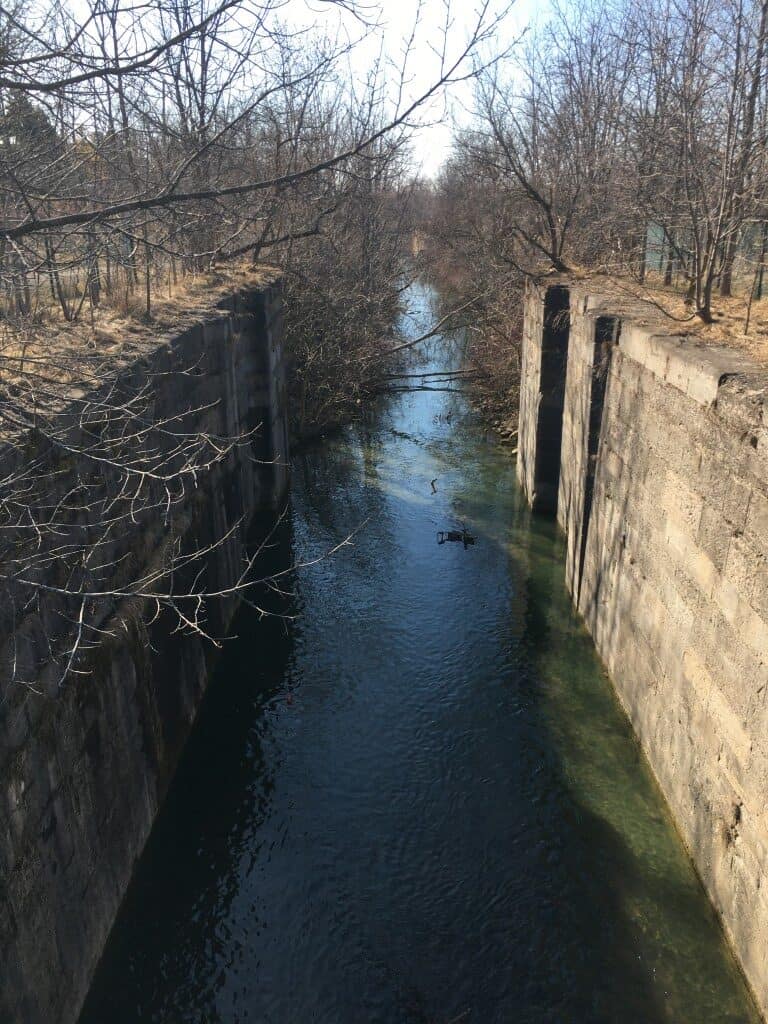
Desjardins Canal
A brief history on the Desjardins Canal, the ambitious people who made it a reality, and what we can learn of Dundas’ early dreams of becoming a thriving commercial centre.